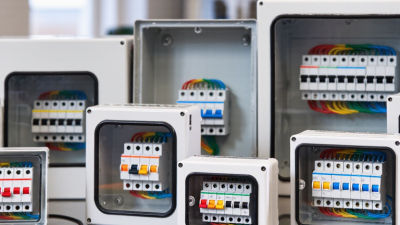
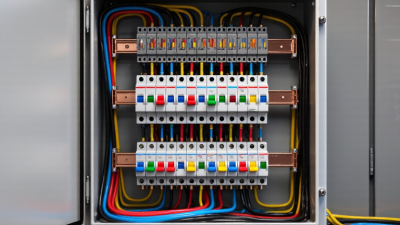
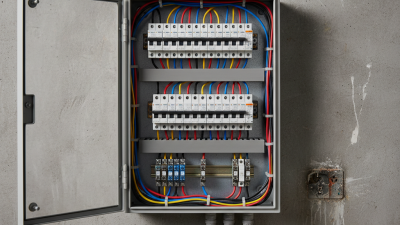
Choosing a Distribution Box is not just a matter of counting circuits. The enclosure must match its surroundings, load, access needs, and future expansion plans. A dusty workshop, a damp utility room, and a crowded apartment corridor ask different things of the same basic equipment. Small details matter. Door clearance, cable entry, labeling space, and spare ways can shape installation and maintenance for years.
The demand context is changing. The International Energy Agency’s Electricity 2024 report says global electricity demand grew by 2.2% in 2023 and forecasts average annual growth of 3.4% from 2024 through 2026. IEA Executive Director Fatih Birol wrote, “The world’s growing appetite for electricity is set to accelerate in the years ahead.” That trend makes careful selection more important, though it does not make every project larger or more complex. A compact consumer unit may suit a small building; an industrial distribution board may need room for heavier loads and future circuits. Fit matters.
This guide compares 10 common types, including main distribution boards, sub-distribution boards, consumer units, and weather-resistant enclosures. It draws on practical selection factors and recognized technical frameworks, including the IEC 61439 series for low-voltage switchgear and controlgear assemblies. Standards and product ratings should always be checked against the specific installation and local requirements. A label can mislead. Buyers should verify the actual enclosure rating, configuration, and documentation rather than relying on a product name alone. That extra check is easy to overlook.
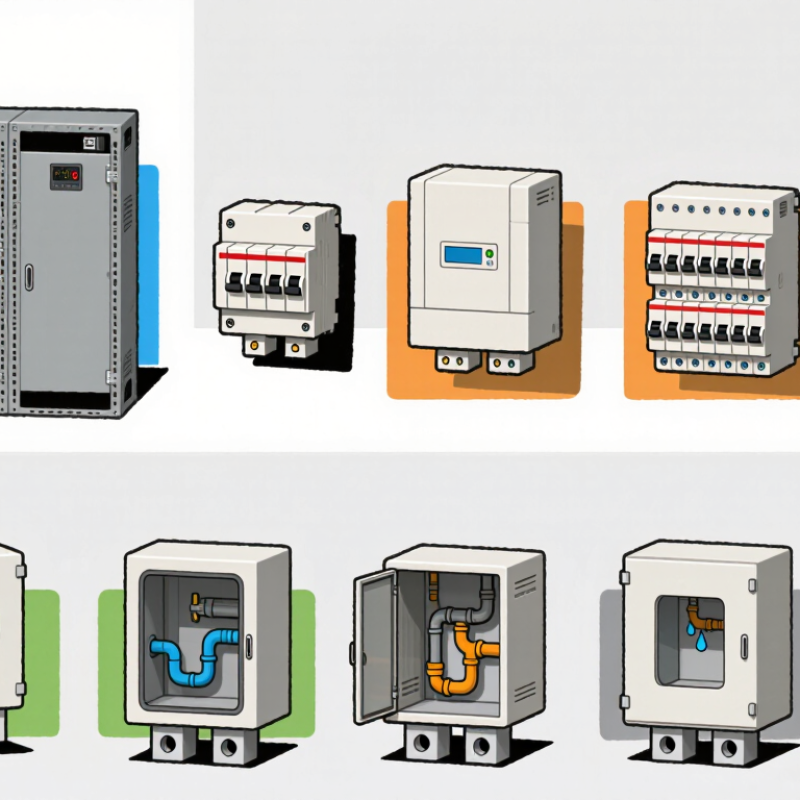
A distribution box receives electrical power and divides it into separate circuits for equipment, lighting, or other loads. Inside, components such as busbars, circuit breakers, and terminals help route and protect each circuit. The enclosure also shields these parts from dust, accidental contact, and—in suitable designs—moisture. Its exact protection depends on its construction and installation environment. A dry indoor workshop and a damp utility area have different needs.
Correct sizing matters. The box must accommodate the number of circuits, expected load, wiring space, and any planned expansion. A cramped enclosure can make inspection and maintenance harder. Too much unused space may also signal a poorly matched design. Look for clear circuit labels and secure cable entries. During an inspection, loose terminations, discoloration, or damaged insulation deserve attention from a qualified electrical professional. Small signs can matter.
Tips: Check the enclosure rating against the actual location, not just the room name. Keep the circuit schedule readable, and leave working clearance around the box. If future changes are likely, discuss spare capacity before installation. A detail is easy to miss.
Compare distribution boxes by load, location, and installation method, not by appearance alone. A compact indoor unit may suit a dry utility room, while a box near washdown areas needs stronger ingress protection. Check the enclosure rating against real exposure to dust, moisture, and impact. Ratings matter.
Review the rated current, number of outgoing circuits, and available space for future additions. A box packed tightly with breakers can make wiring and maintenance harder. Inspect busbar capacity, terminal compatibility, and the permitted conductor sizes. Ask for clear drawings and test documentation, especially when specifications seem vague.
Material and access details affect daily use. Metal enclosures can offer impact resistance, while suitable insulating materials may help in corrosive or damp settings. Look at door clearance, gland-plate layout, mounting points, and whether internal components are easy to reach. Small details count. Heat is easy to overlook, so compare ventilation provisions and expected operating conditions. I have seen tidy specifications leave little room for real-world cable routing; allow space rather than relying on a perfect installation. Have a qualified electrical professional confirm that the selected box fits the system and site.
| Top 10 Types of Distribution Boxes for Buyers - Key Features Buyers Should Compare Before Choosing | ||||
|---|---|---|---|---|
| Type | Typical Application | Typical Electrical Configuration | Key Features | What Buyers Should Compare |
| 1. Residential Consumer Unit | Homes and small residential buildings using IEC-style installations. | Commonly 230 V single-phase or 400/230 V three-phase; often rated up to 100 A, depending on the supply and local requirements. | Compact enclosure with a main switch and circuit-breaker or residual-current protection devices for final circuits. | Number of usable ways, rated current, residual-current protection arrangement, surge-protection provision, enclosure material, and compliance with local standards. |
| 2. Main-Breaker Load Center | Homes and light-commercial premises using North American-style systems. | Commonly 120/240 V single-phase; residential models are often available in ratings such as 100 A, 150 A, or 200 A. | Includes a main circuit breaker that can disconnect power to the panel and its branch circuits. | Main-breaker rating, circuit capacity, service or feeder suitability, available breaker positions, short-circuit rating, and applicable electrical-code approval. |
| 3. Main-Lug-Only Load Center | Small buildings or downstream distribution points where a separate upstream device provides overcurrent protection and isolation. | Often used on 120/240 V or other system voltages; the panel’s rating and feeder protection must be coordinated with the installation. | Incoming conductors terminate at lugs rather than an integral main breaker, which can make the unit simpler for feeder-fed applications. | Whether an upstream disconnect is required, feeder and lug ratings, approved use as service equipment or as a downstream panel, and available circuit spaces. |
| 4. Sub-Distribution Board or Subpanel | Separate floors, wings, workshops, or other areas supplied from a main distribution board. | Voltage and current depend on the feeder and local system; common installations use 230/400 V or 120/240 V. | Places local branch-circuit protection close to loads and can help organize circuits in larger buildings. | Feeder capacity, protective-device coordination, conductor and busbar ratings, earthing and neutral arrangements, spare ways, and the required local disconnect. |
| 5. Commercial Panelboard | Offices, retail spaces, schools, and other commercial buildings. | Common systems include 208Y/120 V and 480Y/277 V in North America, or 400/230 V in many IEC installations; ratings vary widely by design. | Supports multiple branch circuits, with options for different breaker types, metering, and dedicated loads. | System voltage and phase, bus rating, interrupting and short-circuit ratings, circuit count, main-device configuration, metering needs, and future expansion space. |
| 6. Low-Voltage Switchboard | Building main distribution and larger commercial or industrial electrical rooms. | Typically used on systems up to 1,000 V AC; current capacity can range from hundreds to several thousand amperes, depending on the assembly. | Assembled distribution equipment that can accommodate larger incoming devices, feeder devices, metering, and protective functions. | Assembly and fault ratings, busbar capacity, incoming and outgoing device arrangement, accessibility, service clearance, heat dissipation, and applicable testing standards. |
| 7. Industrial Power Distribution Panel | Factories, process facilities, and sites supplying multiple heavy-duty loads. | Commonly designed for 400/690 V or other low-voltage systems; ratings depend on the supply, load profile, and fault level. | May combine feeder protection, isolation, metering, and control components in a robust enclosure. | Continuous and peak load, motor starting currents, fault level, environmental conditions, protection coordination, cable-entry layout, and maintenance access. |
| 8. Outdoor or Weather-Resistant Distribution Box | Outdoor equipment, exposed building services, utility areas, and damp or dusty locations. | Electrical ratings depend on the devices fitted; enclosure protection is specified separately using an appropriate IP or NEMA rating. | Designed to limit entry of dust, water, or other environmental hazards when correctly installed and maintained. | Required IP or NEMA enclosure rating, UV and corrosion resistance, temperature range, condensation control, cable-entry sealing, and suitability for direct sunlight or washdown. |
| 9. Modular DIN-Rail Distribution Board | Small commercial installations, control systems, and electrical circuits using modular protective devices. | Can be configured for single-phase or three-phase systems; voltage and current ratings depend on the enclosure, busbar, and installed devices. | DIN-rail mounting allows modular breakers, residual-current devices, surge protectors, and other compatible components to be arranged in rows. | Number of modules, busbar compatibility, heat and spacing requirements, ingress protection, wiring space, and the ratings of the complete assembled board. |
| 10. Solar PV DC Combiner Box | Photovoltaic systems that combine multiple solar-panel strings before connection to an inverter or other equipment. | DC voltage and current must match the PV array and inverter design; some systems operate at several hundred volts DC or higher. | May contain string fuses, DC isolation, and surge protection; not every design includes all of these features. | Maximum system voltage, string count and current, DC-rated components, polarity and isolation provisions, surge-protection requirements, enclosure rating, and applicable PV standards. |
Note: The categories above include both distinct equipment types and enclosure or configuration choices; some may overlap. Electrical ratings are indicative only and vary by product design, jurisdiction, and installation. Confirm the applicable standards, fault level, and local code requirements before selection.
Ten Common Types by Design, Installation, and Application
Distribution boxes vary with their mounting style and the circuits they serve. Surface-mounted boxes sit visibly on a wall, while flush-mounted models fit into a recess. Weather-resistant boxes protect outdoor connections from rain and dust. Pole-mounted units serve outdoor lighting or remote equipment. Floor-standing cabinets suit larger sites with many circuits. Modular boxes use standard rails for compact components. Metal-clad enclosures offer sturdy protection in workshops. Meter boxes house measurement equipment. Lighting distribution boxes manage building lighting circuits. DC combiner boxes gather outputs from multiple solar strings. Details matter.
Tips: Check the required circuit capacity, enclosure material, available space, and environmental rating before buying. Leave room for wiring bends and future additions. A box that fits today may feel cramped after one extra circuit.
Design alone does not determine suitability. An indoor modular unit may be convenient in a dry utility room, but it is not automatically suitable outdoors. Match the enclosure to its location, and confirm that its components and wiring are compatible. Installation access matters, too: a box hidden behind shelving can make inspection awkward. I may be cautious here, but choosing a larger enclosure can save a frustrating retrofit later. Have a qualified professional verify the final selection and installation.
Residential distribution boxes vary with installation and available space. Flush-mounted enclosures sit inside walls, keeping hallways clear, while surface-mounted models suit renovations where cutting into masonry is impractical. Small homes may need compact boxes for lighting and socket circuits; larger properties often benefit from spare capacity for future additions. Fit matters. In damp utility rooms or outdoor locations, check the enclosure’s environmental rating and choose a suitable installation location. A qualified electrician should verify circuit requirements and safe clearances.
Industrial settings call for sturdier options, including wall-mounted and floor-standing enclosures. A workshop exposed to dust, vibration, or heat needs different protection from a clean indoor production area. Modular designs can make later changes easier, but only when the layout leaves room for cables, inspection, and heat management. Looks can mislead. A tidy box may still be difficult to maintain if terminals are crowded or labels are unclear. Buyers should compare enclosure material, ingress protection, capacity, and access needs against actual site conditions. A quick walk-through with the maintenance team can reveal practical details that a specification sheet misses.
Representative enclosure protection levels for residential and industrial applications
The bars show the water-protection digit in each representative IP code, as defined by IEC 60529. These codes are examples, not fixed specifications: ratings vary by product and installation conditions. Check the manufacturer’s documentation and local requirements when selecting an enclosure.
Matching a distribution box to a project starts with the load, not its appearance. Residential, commercial, and industrial boxes serve different circuit counts and operating demands. Main and sub-distribution boxes also differ: one receives incoming power, while the other feeds selected areas. Flush-mounted and surface-mounted designs suit different wall depths and access needs. Modular boxes allow changes later. Small details matter.
Next, consider where the box will operate. An outdoor installation may need a weather-resistant enclosure, while a dusty workshop calls for protection against fine particles. Check the stated protection rating and material against actual site conditions; a rating alone does not guarantee suitability for every exposure. Temperature, moisture, corrosion, and available clearance all affect performance. Measure twice.
Estimate current demand, circuit quantity, cable entry points, and space for future additions. An undersized enclosure can crowd wiring and make inspection harder. Yet excessive capacity may waste space and budget. That balance is not always obvious from an early drawing. A site check can reveal obstacles such as pipes, narrow service corridors, or doors that block access. Confirm compatibility with the protective devices and installation requirements specified for the project, and have a qualified electrical professional review the selection before installation.