What Are the Top Types of Mini Circuit Breakers?
Choosing a Mini Circuit Breaker is not just a matter of matching an amp rating. A breaker must also respond appropriately to the load, wiring, and expected fault conditions. In a small distribution board, those choices affect both protection and day-to-day reliability.
Electrical educator Mike Holt is known for emphasizing safe, code-conscious electrical work. The following is a paraphrase, not a verified direct quotation: “Select protection for the circuit’s real conditions, not its label alone.” That principle helps frame the main Mini Circuit Breaker types. Thermal-magnetic models combine a heat-sensitive overload response with a fast magnetic response to short circuits. Magnetic-only designs suit applications where overload protection is handled elsewhere. Hydraulic-magnetic models use a different trip mechanism and can perform consistently across changing ambient temperatures. The names sound technical. The differences matter.
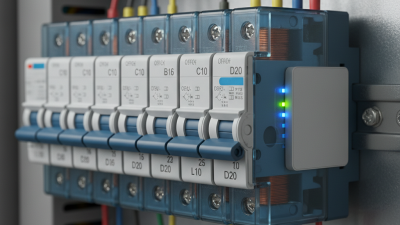
This guide also compares common pole configurations and trip curves. A single-pole breaker may serve a simple branch circuit, while two-pole or three-pole models can protect multiple conductors together. Curve B, C, and D devices tolerate different levels of startup current, so motor loads and sensitive equipment need careful review. Picture a motor starting with a brief current surge; the wrong curve may trip when nothing is actually wrong. Still, choosing a breaker from a chart alone can be misleading. Installation conditions and manufacturer specifications deserve equal attention. The categories are useful, but real panels are rarely as tidy as examples suggest.
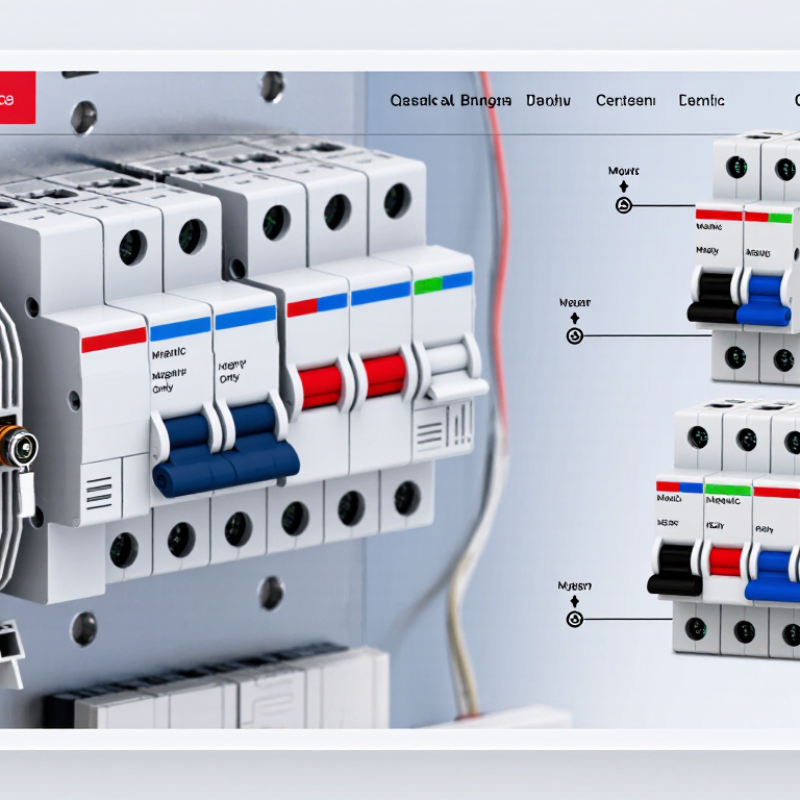
How Miniature Circuit Breakers Are Classified
Miniature circuit breakers are commonly classified by trip curve, pole configuration, rated current, and breaking capacity. These labels describe different things. A trip curve shows how quickly a breaker responds to overcurrent, while the pole count indicates how many conductors it can disconnect together.
The familiar B, C, and D curves differ in their response to brief current surges. Type B generally trips at a lower multiple of its rated current, so it may suit circuits with modest inrush, such as many lighting loads. Type C tolerates larger short surges and is often considered for equipment with motors. Type D allows still higher inrush, but requires careful assessment of the available fault current. A neat label can mislead. Actual suitability depends on the circuit and installation.
Pole configurations include single-pole, double-pole, and other multi-pole designs. The right choice depends on the supply arrangement and which conductors must be disconnected together. Rated current concerns the load the breaker is designed to carry under specified conditions; breaking capacity concerns the fault current it can safely interrupt. Not interchangeable. Check both against the circuit design and applicable equipment specifications. Sometimes selection feels less tidy than a chart suggests. That is worth remembering.
Single-Pole and Multi-Pole Miniature Circuit Breakers
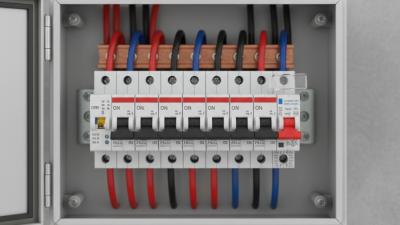
Miniature circuit breakers are commonly described by how many poles they switch. A single-pole breaker controls one live conductor and is often used on a standard branch circuit. In a panel, it usually occupies one narrow slot. If an overload or short circuit occurs, it interrupts that circuit to help protect its wiring.
Multi-pole breakers connect two or more poles with a linked switching mechanism. A two-pole unit may serve a 240-volt circuit, while three-pole units are used in some three-phase systems. The linked mechanism matters: when the breaker trips or is switched off, its connected poles open together. That differs from installing separate single-pole breakers, which may not provide the same coordinated disconnection. The details matter.
Pole count does not tell you the correct current rating or prove that a breaker fits a particular panel. Check the circuit design, conductor size, equipment requirements, and panel compatibility. These are easy details to overlook. When replacing or specifying a breaker, have a qualified electrician verify the setup and applicable requirements. A neat-looking fit is not enough.
Type B Miniature Circuit Breakers for Low-Inrush Loads
Type B Miniature Circuit Breakers for Low-Inrush Loads
Type B miniature circuit breakers are often suited to circuits with little startup surge. Their magnetic trip mechanism typically responds when current reaches roughly three to five times the breaker’s rated current. This makes them a common option for resistive loads, such as heating elements and some general lighting circuits. They can also protect suitable small appliances. Fit matters.
A breaker must match the circuit, not just the device. Check the expected load, conductor rating, and available fault current before choosing a rating or trip curve. A Type B breaker may nuisance-trip if equipment draws a brief startup surge. Conversely, choosing a higher rating to stop unwanted trips can leave wiring inadequately protected. That trade-off is easy to underestimate. Follow the equipment maker’s instructions and have a qualified electrician verify the selection.
Tips: Note the load’s rated current and startup behavior. For example, a heater may draw steadily, while a motor may surge briefly at startup. If trips occur, record when they happen and which devices are running. Do not replace the breaker with a higher-rated unit without checking the wiring and circuit design. The cause is not always obvious.
Type C and Type D Miniature Circuit Breakers for Higher-Inrush Loads
Type C and Type D miniature circuit breakers are often considered when equipment draws a brief surge at startup. A small pump, compressor, or transformer may pull several times its normal current for a fraction of a second. That pulse can trip a more sensitive breaker even when the circuit is operating normally.
Timing matters.
Type C devices typically have instantaneous magnetic trip thresholds around five to ten times rated current; Type D is commonly ten to twenty times. Exact limits depend on the applicable product standard and breaker specifications, so check the device documentation. Type D’s higher threshold can suit heavy inrush loads, but the circuit must still provide enough fault current for prompt disconnection.
That sounds simple, but it is easy to oversimplify.
Before selecting either curve, compare measured or manufacturer-provided startup current with the breaker’s trip curve. Also verify conductor size, available short-circuit current, operating conditions, and coordination with upstream protection. If fault current is too low, a Type D breaker may not clear a fault as expected. A qualified electrician can assess the installation and confirm compliance with local requirements. A careful check beats guesswork.
Specialized Type K and Type Z Miniature Circuit Breakers
Type K and Type Z miniature circuit breakers serve circuits where ordinary inrush behavior can lead to nuisance trips. Their key difference is magnetic trip sensitivity. A Type K breaker typically trips magnetically at roughly 8–12 times its rated current, while a Type Z breaker often responds around 2–3 times rated current. Exact ranges depend on the applicable standard and product design, so check the device’s technical data.
Type K is commonly considered for loads with substantial startup currents, such as small motors, transformers, or certain industrial equipment. A motor may briefly draw several times its running current when starting. Type K can allow that short surge while still responding to a severe fault. But it is not a universal motor solution. Check the motor’s starting profile, cable capacity, and prospective fault current before choosing a breaker.
Type Z is more sensitive to smaller overcurrents and may suit circuits containing delicate electronic or semiconductor equipment. It can help limit exposure to fault currents, but that sensitivity also means normal startup surges deserve attention. The labels can look straightforward; the real selection is less tidy. Compare trip curves, breaking capacity, and coordination with upstream protection, then verify the installation against the equipment maker’s specifications. A wrong curve can cause nuisance interruptions—or inadequate protection.
What Are the Top Types of Mini Circuit Breakers? — Specialized Type K and Type Z Miniature Circuit Breakers
| Trip Type |
Typical Magnetic Trip Range |
Common Application |
Key Consideration |
| Type B |
3–5 × rated current (In) |
Lighting and general-purpose circuits with low inrush current, such as many domestic circuits. |
Trips at a relatively low instantaneous current. Check that normal startup current will not cause unwanted tripping. |
| Type C |
5–10 × In |
General-purpose circuits with moderate inrush, including some small motors and commercial loads. |
A common choice for mixed loads, but circuit impedance and the required disconnection time still need verification. |
| Type D |
10–20 × In |
Loads that can draw high startup current, such as certain transformers, motors, and other inductive equipment. |
Its higher instantaneous threshold requires sufficient prospective fault current for prompt disconnection. |
| Type K |
Typically 8–12 × In |
Inductive loads with substantial starting current, including some motors and transformers. |
Often used where a higher inrush tolerance is needed. Confirm the exact trip curve and product standard for the selected breaker. |
| Type Z |
Typically 2–3 × In |
Circuits requiring a more sensitive magnetic response, such as some control circuits and equipment with delicate components. |
May be unsuitable where normal startup current is high. It is not a substitute for a dedicated semiconductor fuse where one is required. |
Note: Magnetic trip ranges are typical reference values and can vary by product standard and manufacturer. Types B, C, and D are commonly specified under IEC 60898-1; K and Z characteristics are commonly associated with IEC 60947-2 products or specific product ranges. Select a breaker using its published time-current curve, rated voltage, breaking capacity, cable protection requirements, and applicable local rules.