What Are the Top Types of Electrical Wire in 2026?
Choosing the right Electrical Wire in 2026 requires more than comparing copper prices or insulation colors. Modern buildings demand safer, more efficient, and more application-specific wiring. Residential circuits may use NM-B or THHN conductors, while industrial facilities often require tray cable, armored cable, or flexible stranded wire. Data centers add another concern: heat, density, and uninterrupted performance.
The International Energy Agency’s Electricity 2024 report projected average global electricity-demand growth of about 3.4% annually from 2024 through 2026. That pressure reaches every conductor, panel, and connection. Market studies from Grand View Research and Fortune Business Insights also show continued expansion in power and cable infrastructure, although their market estimates differ by scope and method. That difference matters. Numbers are useful, but they should not replace engineering judgment.
Electrical educator Mike Holt offers a practical warning: “Electricity doesn’t care if you’re qualified or not—it will kill you just the same.” The wording is blunt. The lesson remains relevant. Wire selection must consider ampacity, voltage, temperature, moisture, mechanical stress, fire performance, and local code requirements. Copper usually offers excellent conductivity and easier termination. Aluminum can reduce material cost and weight, but it demands careful installation and compatible connectors.
No single wire type fits every project. Not even close. This guide compares the leading Electrical Wire types expected to matter in 2026, using recognized standards, field experience, and current industry evidence. Some recommendations may change as materials, grid demand, and code requirements evolve. That uncertainty deserves attention.
Electrical Wire Basics: Structure, Materials, Ratings, and Safety
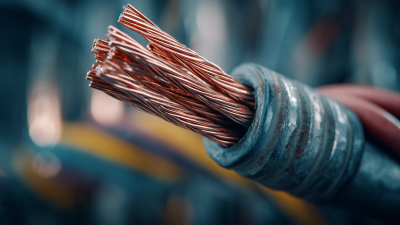
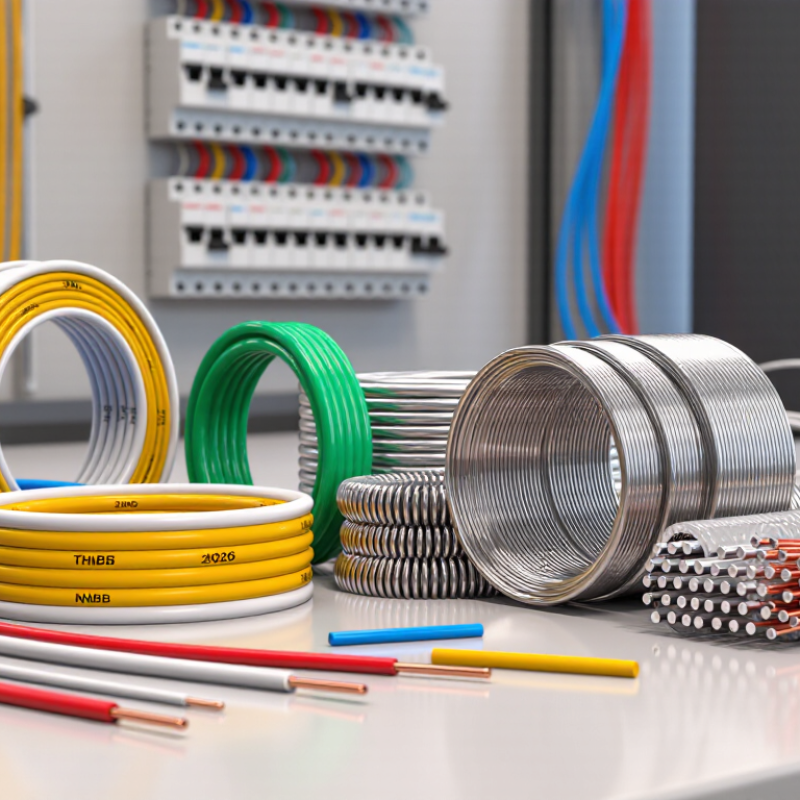
Electrical wire is more than copper hidden inside plastic. Its structure includes a conductive core, insulation, and sometimes a grounding path or protective jacket. Copper carries current efficiently and bends easily, while aluminum weighs less and suits larger feeders when correctly terminated. Solid wire holds its shape. Stranded wire flexes around equipment and tight spaces. At a cut end, clean insulation and undamaged strands are small but important details.
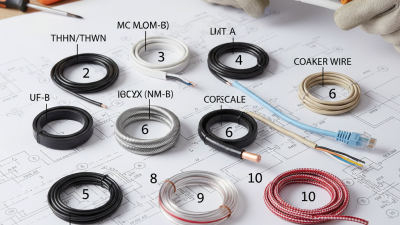
In 2026, common choices include THHN/THWN-2 conductors in conduit, NM-B cable in permitted dry indoor spaces, and metal-clad cable where extra mechanical protection is needed. Each type has a specific purpose. Printed markings identify voltage rating, temperature rating, conductor size, and wet or dry location approval. A 90°C rating does not automatically permit operation at 90°C. Terminals, ambient heat, and electrical codes may reduce allowable ampacity. This is easy to overlook.
Choose wire according to load, distance, installation method, surrounding temperature, and breaker protection. Undersized wire can heat behind a wall. Loose terminals may create hot spots, discoloration, or a sharp burnt smell. A neat-looking cable run can still be wrong. Turn off power and verify its absence with a properly tested meter. Use approved connectors when joining different metals, and have a qualified electrician review unfamiliar circuits. I would not rely on wire color alone; previous repairs may be careless, confusing, or simply old.
Top Electrical Wire Types and Their Main Applications in 2026
Top Electrical Wire Types and Their Main Applications in 2026
Electrical wire selection depends on location, moisture, heat, mechanical stress, and installation method. In 2026, nonmetallic-sheathed cable remains common in residential dry spaces, including bedrooms, hallways, and finished walls. It combines insulated conductors with a grounding wire inside one jacket. Installers must still protect it from sharp edges and excessive bending. Small details matter.
Thermoplastic high-heat nylon-coated wire is widely used inside conduit for homes, factories, and commercial buildings. Its nylon jacket improves handling and resistance to abrasion. A wet-location version is suitable for damp areas when installed according to local electrical requirements. Armored cable adds mechanical protection in exposed commercial spaces, workshops, and equipment rooms. It can reduce damage from impact, but poor bonding or careless cutting can create serious hazards.
Underground feeder cable is designed for outdoor circuits and direct burial when approved by local rules. It often supplies detached garages, landscape equipment, or exterior lighting. Photovoltaic wire serves solar arrays, where sunlight, temperature changes, and outdoor moisture demand specialized insulation. Low-voltage cable supports control systems, security devices, and communication equipment, but it should not be treated like power cable. Field checks frequently uncover mismatched wire ratings, overloaded circuits, or missing protection at entry points. The simple choice is not always the safe choice. Qualified professionals should verify conductor size, insulation rating, voltage, routing, and local code requirements before installation.
Choosing Wire by Voltage, Current, Environment, and Installation Method
What Are the Top Types of Electrical Wire in 2026?
Choosing wire starts with voltage and current, not appearance.
For common building circuits, copper THHN/THWN-2 suits dry or wet conduit installations. NM-B remains practical for approved dry indoor locations. XHHW-2 handles higher voltage and damp spaces, while USE-2 and RHW-2 support underground or outdoor applications. Photovoltaic wire is designed for sunlight, temperature swings, and direct-current systems.
Ampacity must match the load.
The National Fire Protection Association’s 2023 National Electrical Code provides conductor ampacity tables and adjustment rules for heat, bundling, and conduit fill. A 90°C rating does not automatically permit higher current. Terminals may limit the usable rating. That detail is often missed.
Environment changes the decision.
Wet locations need moisture-resistant insulation. Direct burial requires suitable underground ratings. Exposed cable may need ultraviolet and mechanical protection. The International Energy Agency reported more than 17 million electric cars sold globally in 2024, increasing demand for dedicated, high-current charging circuits. The U.S. Department of Energy also reports that buildings consume roughly 40% of national energy, making efficient circuit planning increasingly important.
Installation method matters just as much.
Conduit offers easier future replacement, but crowded runs increase heat. Cable assemblies install faster, yet routing options are less flexible. I would verify load calculations, ambient temperature, terminal ratings, and local code before choosing.
Wire sizing still feels simple—until the real site disagrees.
Electrical Wire Standards, Labeling, Maintenance, and Future Trends
In 2026, electrical wire selection depends on installation conditions, not popularity alone.
Copper remains widely used because it conducts efficiently and bends easily. Aluminum can reduce weight and cost, but it needs careful termination and compatible connectors. Common insulated types include building wire, flexible cord, and moisture-resistant cable. Each type serves a different environment.
Standards make these choices safer.
Check the wire’s voltage rating, temperature rating, conductor size, insulation code, and permitted use. Labels may include markings such as flame resistance, wet-location approval, or low-smoke performance. Local electrical rules remain important because requirements can differ between regions. A clear label helps, but I still recheck the installation manual and authority requirements. Labels can be misunderstood.
Tips:
Photograph every connection before maintenance. Turn off power, verify the circuit is de-energized, and inspect for heat discoloration, cracking, loose terminals, or corrosion. Never judge wire capacity by appearance alone. A larger conductor is not automatically suitable. Ask a licensed electrician when calculations, upgrades, or concealed wiring are involved.
Future wiring will likely support smarter buildings, renewable energy systems, electric transport, and greater fire protection.
New materials may improve flexibility and reduce environmental impact. However, innovation can outpace everyday training. That is a weakness worth acknowledging. Reliable maintenance records, updated testing equipment, and practical worker education will remain essential.