How to Choose the Right Electrical Wire for Your Projects?
Choosing the right electrical wire can seem daunting. An expert in the electrical industry, John Smith, once said, "Using the correct wire can prevent disasters." This statement highlights the importance of understanding electrical wire specifications.
When embarking on any project, selecting the correct electrical wire is vital. Different projects require different types of wires to ensure safety and efficiency. There are various options available, each designed for specific applications. Using unsuitable wire can lead to short circuits or other hazards.
The task may feel overwhelming, but knowing some basics helps. Consider the wire's gauge, insulation type, and current rating. Each component has its unique role in ensuring optimal performance. Pay attention to the specifications; they can reveal what might not be immediately clear. After all, one mistake can lead to serious consequences.
Understanding Electrical Wire Types and Their Applications
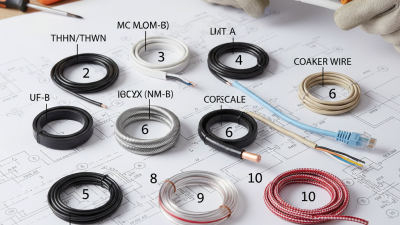
When selecting electrical wire, understanding the types available is crucial. Common types include THHN, Romex, and UF wire.
THHN wire is ideal for dry locations and often used in commercial buildings. According to a 2021 industry report, THHN is favored due to its heat resistance and durability.
Romex (NM) wire is widely used in residential wiring. It combines two or more insulated conductors, typically for light fixtures and outlets.
The National Electrical Code (NEC) mandates certain standards for this wire type, emphasizing safety and efficiency.
For outdoor use, UF (Underground Feeder) wire is preferred. It resists moisture and is suitable for direct burial.
However, the selection may depend on your project's requirements. Understanding the specifics of these wires can prevent costly mistakes.
Neglecting to choose properly might lead to overheating or even fire hazards. Always review local codes before installation; they can impact wire selection significantly.
Assessing Voltage and Current Requirements for Your Project
When embarking on an electrical project, understanding voltage and current requirements is crucial. Each project has specific needs that dictate the type of wire to use. For instance, household circuits typically operate at 120V or 240V. Calculating the current requirements helps determine the wire gauge. If the current exceeds the wire's capacity, overheating may occur. This can lead to dangerous situations.
Consider your project's load. What devices will you connect? Heavy appliances require thicker wires to handle higher current without risk. The National Electrical Code (NEC) provides guidelines for wire gauge based on current ratings. Ignoring these can lead to costly mistakes. Assessing load and voltage helps prevent under-sizing or over-sizing the wire.
Sometimes, electrical projects evolve. You may start with basic devices, but later need to add more. This can complicate your choice of wire. Staying flexible and revisiting your calculations is essential. It's not just about following the rules; it’s about understanding the unique needs of your project. Taking a bit of time upfront can save you from redoing work later.
Identifying Wire Gauge for Safe and Efficient Use
Choosing the right electrical wire is crucial for any project. One of the key factors in this choice is the wire gauge. The wire gauge indicates how much current the wire can handle safely. Selecting a proper gauge ensures both efficiency and safety in your electrical installations.
When identifying wire gauge, remember that lower numbers indicate thicker wires. Thicker wires can carry more current, which is essential for high-power applications. For standard household use, 12 or 14 gauge wires are common. However, using a wire that is too thick may lead to unnecessary costs. Conversely, using a wire that’s too thin can result in overheating and potential fire hazards.
**Tips:** Always check the amperage requirements of your devices before selecting wire. This helps in making informed choices. Consider the wire's insulation type, especially in environments with extreme temperatures. This affects the overall performance of your electrical system. Avoid making assumptions based on past experiences; every project is unique and demands careful consideration.
Wire Gauge for Different Applications
This bar chart illustrates the maximum current capacity in Amps for various wire gauges commonly used in electrical projects. Selecting the appropriate wire gauge is essential for safety and efficiency in electrical installations.
Evaluating Insulation Materials for Different Environments
Choosing the right insulation material for electrical wires is crucial. Different environments require different materials to ensure safety and longevity. For example, wires used outdoors need more durable insulation to withstand UV rays and moisture. In contrast, wires in residential settings might not need this level of protection.
Consider using PVC insulation for general indoor use. It’s versatile and affordable. However, it may not perform well in high temperatures. For areas exposed to heat, such as near furnaces, use thermoplastic elastomer (TPE). TPE is more flexible and temperature-resistant.
**Tips**:
- Always check the insulation rating before making a selection.
- Don't overlook your local climate conditions. They play a significant role in insulation choice.
- If in doubt, consult an expert who can guide you through complex decisions.
Reflect on your project needs. Sometimes, it’s easy to choose the cheapest option. However, this may lead to future problems. Investing in quality insulation can save you time and money later.
How to Choose the Right Electrical Wire for Your Projects? - Evaluating Insulation Materials for Different Environments
| Wire Type |
Insulation Material |
Temperature Rating (°C) |
Environmental Suitability |
Typical Applications |
| THHN |
PVC |
90 |
Dry Locations |
Residential Wiring |
| XHHW |
Cross-Linked Polyethylene |
90 |
Wet and Dry Locations |
Industrial Applications |
| UF |
Nylon |
60 |
Wet Locations |
Outdoor Lighting |
| THW |
PVC |
75 |
Wet Locations |
General Purpose Wiring |
| SJOOW |
Rubber |
60 |
Indoors and Outdoors |
Portable Tools and Equipment |
Considering Local Electrical Codes and Regulations
When selecting electrical wire for your projects, understanding local electrical codes and regulations is crucial. These guidelines ensure safety and compliance. Each area has specific rules that dictate wire types, sizes, and installations. Ignoring these can lead to dangerous situations and costly penalties.
Tips: Always check with local authorities. They can provide the most accurate information. Familiarize yourself with any amendments or updates to the codes. Staying informed can save you time and frustration.
Another point to consider is the environment where the wiring will be installed. For indoor projects, different standards apply compared to outdoor ones. Ensure you select wires that are suitable for the intended location. Non-compliance may result in issues like insulation failure or fires.
Tips: Use wires rated for moisture if you're in a humid area. Pay attention to wire gauges; using the wrong size can cause overheating. Poor installation can also lead to shorts or power losses. It’s essential to reflect on each choice carefully.