How to Choose the Right Electric Wire for Your Projects?
Choosing the right electric wire for your projects is essential. The electric wire industry is vast, with various types to suit different applications. According to a recent report by the International Electrotechnical Commission (IEC), improper wire selection can lead to failures and safety hazards. This makes the decision-making process critical for professionals and enthusiasts alike.
Expert Jane Maxwell, a senior electrical engineer, emphasizes, "Understanding the specifications of electric wire is vital for safety and performance." Her insight underscores the importance of considering wire gauge, insulation type, and voltage ratings in your projects. These details can significantly impact not just functionality but also longevity and safety.
The electric wire market is projected to grow by 4.5% annually through 2025, driven by increasing energy demands and advancements in technology. Yet, many still overlook the consequences of using subpar materials. Sometimes, it's easy to underestimate the potential risks associated with inadequate wire choices. Each project requires thoughtful evaluation of the needs and standards. Making informed decisions can avert costly mistakes and ensure reliable performance.
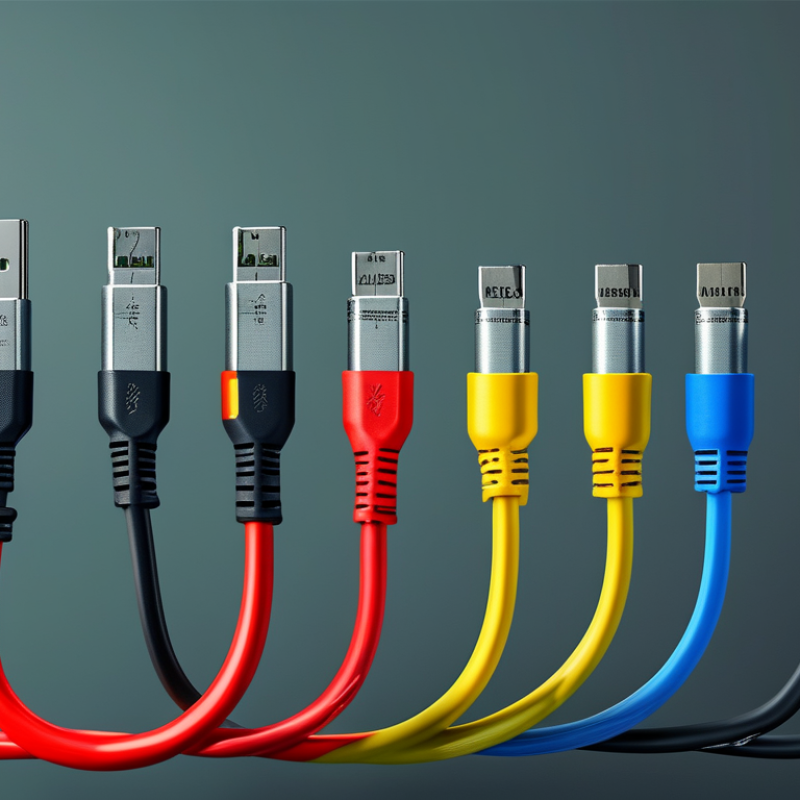
Understanding Electric Wire Types and Their Applications
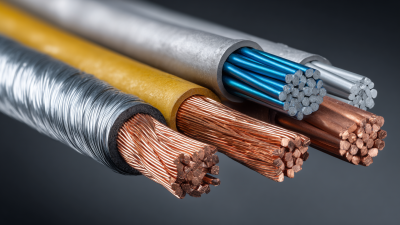
Electric wire types vary significantly based on their intended use. Knowing the right type can prevent problems in your electrical projects. Common categories include non-metallic sheathed cable, conduit wire, and flexible cords. Each type serves specific needs. For example, non-metallic sheathed cable is often used in residential wiring, while conduit wire is better for outdoor applications.
Different wire gauges are also important. Wire gauge indicates the thickness, affecting current capacity. A lower gauge number means a thicker wire, which can handle more current. This is crucial for high-power devices to prevent overheating. However, using a wire that is too thick can also be wasteful and hard to work with. Thus, finding a balance is key.
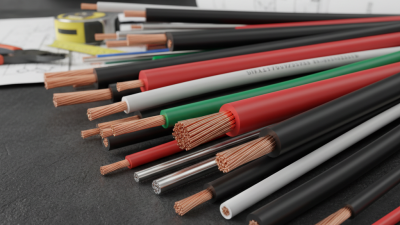
When choosing wire, consider insulation types. Insulation protects against electrical shorts and environmental factors. Common materials include PVC and rubber, each with unique properties. PVC offers durability, while rubber provides flexibility. Assessing your project's conditions will help determine the best option. Make sure to reflect on your specific needs and past experiences to choose wisely.
Assessing Wire Gauge and Current Capacity for Projects
Choosing the right wire gauge is crucial for ensuring safety and efficiency in electrical projects. A wire’s gauge determines its current-carrying capacity. For instance, according to the National Electric Code (NEC), a 12-gauge wire can typically handle 20 amps, while a 14-gauge wire is limited to 15 amps. Using a wire that is too thin can lead to overheating and potential fire hazards.
It’s important to assess the amperage your project requires. For residential wiring, the NEC recommends a maximum of 80% of the wire's capacity for continuous load. If your project draws 15 amps, a 14-gauge wire may be acceptable, but opting for 12-gauge can provide a safety buffer. Industry reports have shown that many electrical failures stem from improper wire selection, highlighting the need for careful planning.
Remember to consider the voltage drop as well. Over long runs, wires can lose voltage, affecting device performance. A voltage drop of more than 3% is generally unacceptable for most applications. If your setup requires longer distances, you may need to adjust your gauge. Balancing these factors is essential and sometimes requires additional evaluation and recalibration.
Evaluating Insulation Materials for Electrical Safety
When selecting electric wires for your projects, focus on insulation materials for safety. The right insulation shields against heat, moisture, and abrasion. Common types include PVC, rubber, and XLPE. Each has unique properties affecting performance and durability.
PVC is popular and cost-effective. It's flame-retardant and resists chemicals. However, it's less flexible in cold environments. Rubber offers excellent flexibility and is perfect for outdoor use. While it can withstand extreme temperatures, it’s usually more expensive. XLPE has high thermal resistance, making it ideal for industrial applications but may not be necessary for home projects.
Tips: Always verify the insulation ratings regarding temperature and environment. If unsure, consult an expert or reference reliable guides. Remember to balance cost with quality. Poor insulation can lead to safety hazards over time. Look for certifications that ensure compliance with safety standards.
Considering Environmental Factors in Wire Selection
When selecting electric wire, environmental factors must guide your choice. Consider the temperature extremes your project will face.
Wires used outdoors need to withstand heat and cold. UV resistance is also crucial. If the wire will be exposed to sunlight, ensure it has protective insulation.
Humidity and moisture levels are additional considerations. In wet areas, select wires that resist corrosion. This will prevent failures over time.
Also, think about the potential for chemical exposure. Some environments may contain substances that degrade wire insulation.
Be mindful of local regulations regarding wire installation. Different regions may have specific codes for wire types due to environmental conditions.
Understanding these factors ensures safety and reliability in your projects.
Even experienced professionals sometimes overlook details. Take the time to reevaluate your choices.
The perfect wire is one that excels in its environment, balancing performance and durability.
Making Informed Decisions on Wire Length and Cost Efficiency
Choosing the right electric wire can significantly impact your project's overall cost efficiency. Industry reports indicate that improper wire selection can lead to increased material costs. For instance, using a thicker wire than necessary adds unnecessary expense. Conversely, selecting a wire that is too thin might cause overheating, leading to safety hazards and potential project failures.
Wire length plays a crucial role in efficiency. Data shows that longer wire lengths can incur higher voltage drops. A voltage drop of 3% to 5% is generally acceptable in most applications. Exceeding this range might result in performance issues. You may need to purchase more wire to compensate for this loss, raising your expenditure. It’s essential to calculate the length accurately to avoid overestimating your needs.
Cost considerations are complex. While a lower upfront cost may seem attractive, it may entail long-term expenses. Evidence from electrical trade assessments suggests that investing in high-quality wiring can reduce maintenance costs significantly. Many professionals argue that spending more upfront can lead to savings over time. Reflect on these dynamics carefully, as making the wrong decision can lead to significant setbacks.