Top Tips for Choosing LED Ceiling Lights for Your Home?
In recent years, the popularity of LED ceiling lights has surged. According to a report by the U.S. Department of Energy, LED lighting can save up to 75% energy compared to traditional incandescent bulbs. This impressive statistic makes LED ceiling lights an attractive choice for eco-conscious homeowners.
Choosing the right LED ceiling light can significantly impact both functionality and aesthetics in your living spaces. With various styles available, from flush mounts to recessed fixtures, homeowners can find options that suit their needs while enhancing interior design. However, navigating this vast selection can be challenging.
Quality and durability are crucial factors to consider. Studies show that high-quality LED products can last over 25,000 hours, making them a worthwhile investment. Yet, not all options on the market meet these standards. Therefore, discerning consumers should look for reputable brands and certifications. By being mindful of these details, you can choose LED ceiling lights that are not only energy-efficient but also reliable and stylish.
Factors to Consider When Selecting LED Ceiling Lights
When choosing LED ceiling lights, several factors weigh heavily. One critical aspect is the
color temperature. LED lights span a spectrum from
warm whites (around 2700K) to cool blues (6000K). According to the American Lighting Association, a
well-chosen color temperature impacts mood and efficiency.
For living spaces, warm shades create a cozy atmosphere,
while cooler tones may enhance focus in work areas.
Another essential factor is brightness,
measured in lumens. Studies indicate that a well-lit room requires approximately
100 lumens per square meter. In addition,
dimmable options provide versatility. This flexibility can adjust lighting based on activity and
time of day, catering to the home's overall functionality. However, not all LED products
offer this feature, often leading to dissatisfaction if not considered upfront.
Energy efficiency should not be overlooked either.
The U.S. Department of Energy reported that LED lights consume up to
75% less energy than incandescent bulbs, lasting up to
25 times longer. This means that despite a potentially
higher upfront cost, the long-term savings can be significant. Potential buyers must balance initial
investment with energy savings and longevity to ensure a wise choice for their spaces.
Understanding Different Types of LED Ceiling Lights
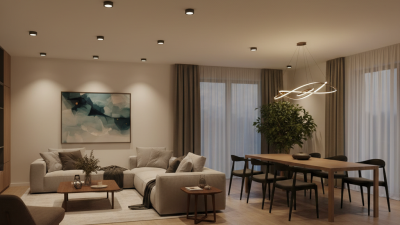
When choosing LED ceiling lights, it’s essential to understand the various types available. These lights come in many designs, styles, and functions. Recessed lights offer a sleek appearance, providing a clean look. They are perfect for modern homes and can illuminate any room with ease. Their design allows for flexibility in placement, making them suitable for tight spaces.
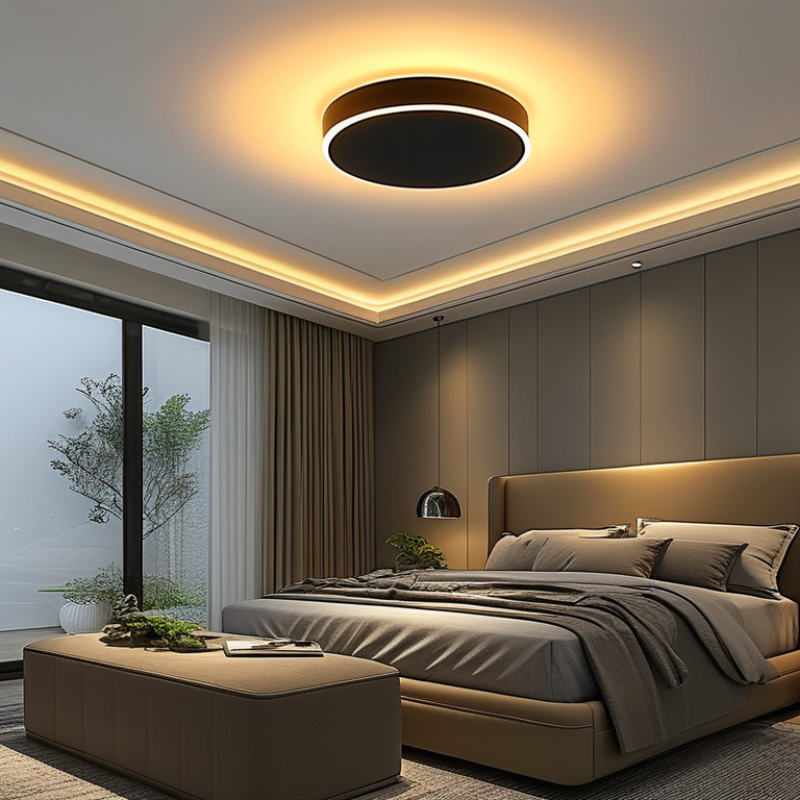
Flush mount lights are another popular option. These fixtures lie close to the ceiling and work well in areas with low ceilings. They provide ambient light while minimizing shadows. Some models are dimmable, allowing you to adjust the brightness based on your mood or time of day. Additionally, pendant lights can add a unique style. Hanging from the ceiling, they serve as focal points, often used over kitchen islands or dining tables.
Consider the light quality, too. Different LED lights emit varying color temperatures. Warmer lights create a cozy atmosphere, while cooler tones feel vibrant and energetic. It can be challenging to decide which one suits your needs. Don’t hesitate to test samples in your space before committing. This trial can highlight unexpected issues, such as glare or poor coverage in certain areas. Choosing the right LED ceiling light is crucial, yet it can often feel overwhelming.
Top Tips for Choosing LED Ceiling Lights for Your Home
| Type of LED Ceiling Light |
Brightness (Lumens) |
Color Temperature (K) |
Best Use Location |
Energy Efficiency Rating |
| Recessed Lights |
800 lumens |
3000K |
Living Room, Hallways |
A+ |
| Flush Mount Lights |
1200 lumens |
4000K |
Bedrooms, Kitchens |
A++ |
| Pendant Lights |
1000 lumens |
2700K |
Dining Areas, Bars |
A+ |
| Chandeliers |
1600 lumens |
3000K |
Entryways, Great Rooms |
A+ |
| Track Lighting |
900 lumens |
3500K |
Art Galleries, Workspaces |
A+ |
Assessing Brightness and Color Temperature for Your Space
When selecting LED ceiling lights, brightness and color temperature play crucial roles in creating the right ambiance in your home. The Illuminating Engineering Society (IES) recommends that standard living spaces have a brightness level between 100 to 300 lux. This corresponds to the light intensity needed for everyday tasks, ensuring comfort without straining your eyes. For example, a cooking space may need brighter lights, while a bedroom can benefit from softer illumination.
Color temperature, measured in Kelvin (K), affects how we perceive light. Warm white (2700K-3000K) creates a cozy feeling, perfect for living rooms and bedrooms. In contrast, daylight white (5000K-6500K) enhances focus and clarity, making it suitable for workspaces. Research indicates that environments with appropriate color temperatures can boost mood and productivity.
Tip: Always consider how much natural light your space receives. Too much brightness from LED lights can generate discomfort and disrupt the harmony of your rooms. Experimenting with different settings can help find a balance that works best for you. Remember, what looks good on paper may not suit your personal preferences. The perfect lighting is subjective, and it often requires trial and reflection.
Evaluating Energy Efficiency and Lifespan of LED Models
When considering LED ceiling lights,
energy efficiency and lifespan are crucial factors.
According to the U.S. Department of Energy, LED lights use at least 75% less energy
than incandescent lighting. This significant reduction not only lowers your electricity bills but also contributes to
environmental sustainability. LEDs convert most of their energy into light instead of heat, making them much more efficient.
Tips: Look for
ENERGY STAR® rated products.
These models meet stringent efficiency criteria. You should also check the lumens per watt ratio.
A higher ratio indicates a brighter light with less energy consumption.
The lifespan of LED lights is impressive. Most LED bulbs last up to 25,000 hours
compared to only 1,000 hours for traditional bulbs. This longevity reduces the frequency of replacements,
saving both time and resources. However, not all LED bulbs are created equal. Some may have a shorter lifespan if they
generate heat improperly. Consider the quality of the materials used. Cheap options can lead to performance issues over time.
Tips: Always review warranty information.
Reputable manufacturers often provide longer warranties. This indicates confidence in their product’s durability.
Use this as a guiding factor in your decision.
Design and Aesthetic Compatibility with Your Home Decor
When selecting LED ceiling lights, design and aesthetic compatibility with your home decor is crucial. According to the American Lighting Association, lighting significantly impacts mood and functionality in a space. The right fixtures can enhance architectural details and create inviting atmospheres. Choosing lamps that align with your existing decor style—be it modern, rustic, or eclectic—can elevate your home's overall appeal.
Consider the color temperature of the lights. Warmer tones create a cozy ambiance, while cooler hues offer a more vibrant and energetic feel. A 2022 report from the National Association of Home Builders highlighted that 73% of homeowners prioritize lighting that complements their interior design. This underscores the importance of visual harmony. Matching your LED fixtures to furniture colors, wall tones, and decorative elements can make a substantial difference.
Think about the scale and proportion of your lights as well. Oversized fixtures may overwhelm a small room, while tiny lights might get lost in a larger space. Industry research shows that well-proportioned lighting enhances space perception. Reflecting on how a fixture interacts with other design elements will ensure a cohesive look. However, remember that personal taste varies—what feels right to one may not to another. Being mindful of diverse aesthetics can inspire unique choices.
Top Tips for Choosing LED Ceiling Lights for Your Home
This chart displays the importance rating of various factors to consider when choosing LED ceiling lights for your home. Brightness and energy efficiency are rated highest, highlighting their critical roles in the selection process.