How to Choose the Right LED Lighting for Your Home
Choosing the right LED lighting for your home can be a challenge. With a variety of options, it's essential to understand your needs. LED lighting offers energy efficiency, long lifespans, and diverse styles. However, not all LED bulbs are created equal.
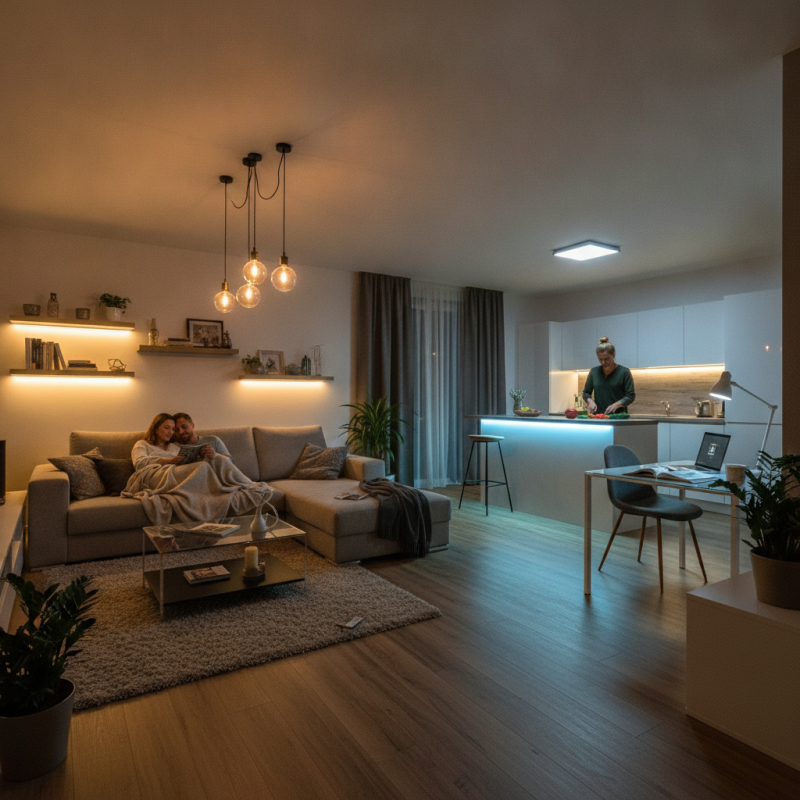
Consider the ambiance you want to create. For cozy evenings, warm white tones work best. Bright white lights are ideal for task-oriented areas like kitchens or offices. The color temperature can significantly impact your space's mood.
Be mindful of the dimming capabilities too. Some LED lights don’t dim well, which affects versatility. Research brands and read reviews to ensure quality. Understanding the differences in brightness and color rendering is crucial. Making informed choices enhances both comfort and aesthetics in your home.
Understanding LED Lighting Basics for Home Use
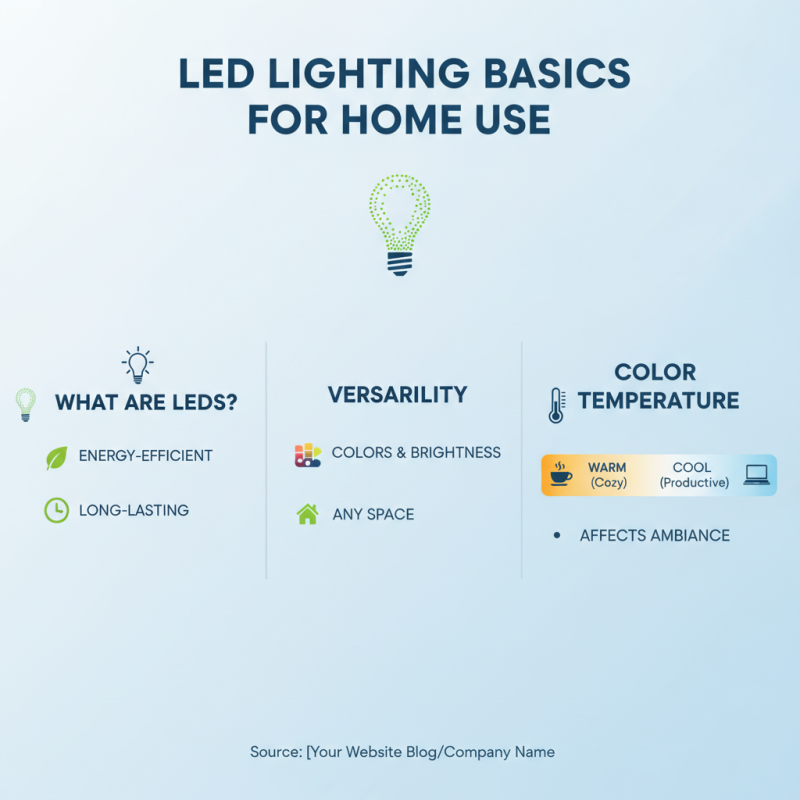
Choosing LED lighting for your home involves understanding its basic principles. LEDs, or Light Emitting Diodes, are energy-efficient and long-lasting. They are available in various colors and brightness levels, making them versatile for any space. When selecting the right LED, consider the color temperature. It affects ambiance significantly.
Warm white light creates a cozy feeling, ideal for living rooms and bedrooms. Cool white light is better for task-oriented spaces like kitchens and offices. Don't forget the lumens. This measurement indicates brightness. A higher lumen count means brighter light, which could be overwhelming in smaller rooms.
Tips: Always check the wattage equivalent; lower wattage can mean higher savings. Consider dimmable options for flexibility in brightness. When in doubt, consult a professional to help assess your needs. Understand that not all LED bulbs are equal; check certifications for quality assurance.
Evaluating Different Types of LED Bulbs and Fixtures
When evaluating different types of LED bulbs and fixtures, one must consider lumens, color temperature, and efficacy. Lumens measure brightness. Research indicates that for general home lighting, around 800 lumens is effective for most rooms. This level mimics the light of a traditional 60-watt bulb but uses significantly less energy.
Color temperature is another important factor. It ranges from warm (about 2700K) to cool (about 5000K). Warmer lights create a cozy ambiance, ideal for living spaces and bedrooms. Cooler lights, closer to daylight, are perfect for task-oriented areas. According to the U.S. Department of Energy, using LEDs can reduce energy consumption for lighting by nearly 75%. This statistic highlights the efficiency of LED over traditional options.
In addition to lumens and color, fixture design impacts the overall aesthetic and functionality. Different fixtures distribute light differently, affecting how light interacts with spaces. Dimmers are an option for flexibility. However, not all LEDs are dimmable, which could lead to frustrations. Understanding these nuances ensures a well-lit environment that balances beauty and practicality.
Determining the Appropriate Brightness and Color Temperature
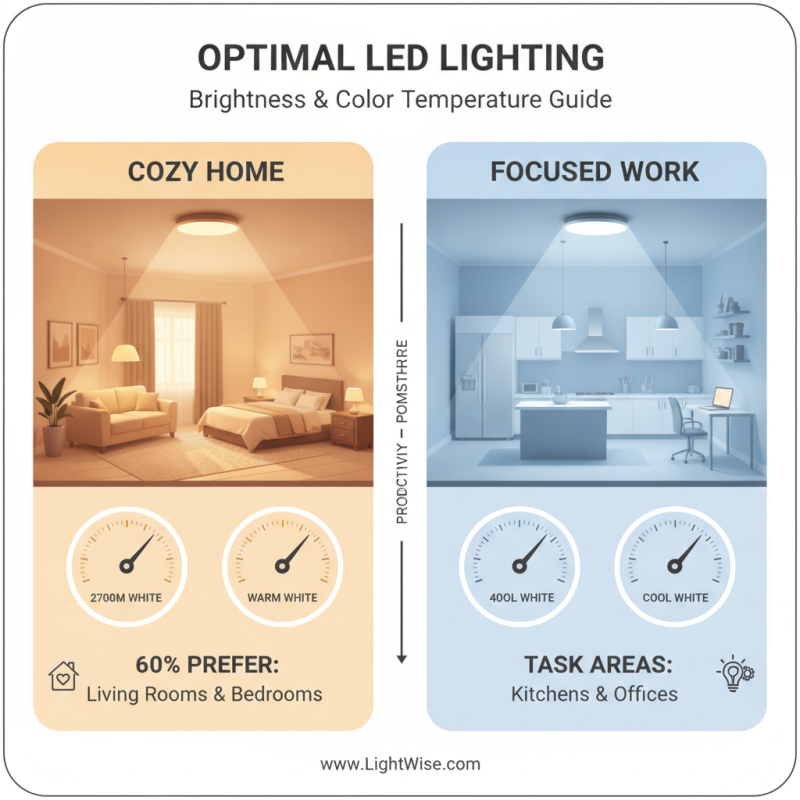
Choosing the right brightness and color temperature for LED lighting can greatly impact your home's atmosphere. Studies show that around 60% of people prefer warm white light (2700K-3000K) for living spaces, such as living rooms and bedrooms. This range of color temperature mimics the soft glow of traditional incandescent bulbs, creating an inviting and cozy environment. Conversely, cooler temperatures (4000K-5000K) are often better suited for task-oriented areas like kitchens and offices. These lights enhance concentration and visibility.
When determining appropriate brightness, consider lumens over watts. The Illuminating Engineering Society (IES) suggests that a living room may require about 100-200 lumens per square meter. In contrast, workspaces can demand about 300-500 lumens. It's crucial to evaluate how different brightness levels affect your mood and productivity in various environments. Many homeowners underestimate the impact of lighting on their daily lives. A harsh light can be jarring while too dim a setting can lead to eye strain.
Experimenting with different lighting setups is essential. Remember, personal preference plays a key role. Some might find a softer glow comforting, while others may feel more awake under bright, cool lights. The right choice may not always be clear cut. It is about striking a balance that suits your needs and enhances your living space. Use trial and error to find what truly resonates with you.
Considering Energy Efficiency and Lifespan of LED Options
When selecting LED lighting for your home, energy efficiency is key. According to the U.S. Department of Energy, LED lights can use up to 75% less energy than traditional incandescent bulbs. This significant reduction not only lowers energy bills but also decreases your carbon footprint. Furthermore, many LED options have a lifespan of 15,000 to 50,000 hours, compared to just 1,000 hours for incandescent bulbs.
However, it’s important to choose wisely. Not all LED products offer the same efficiency. Some may claim low energy use but have higher wattage or poor lumens-per-watt ratios. It’s essential to check these ratings before making a purchase. The lighting industry suggests that understanding lumens (brightness) versus watts (energy used) is crucial. A good LED bulb should provide at least 80 lumens per watt for optimal brightness.
Consider also that LED technology is rapidly evolving. While many appreciate the long lifespan, factors such as color temperature and dimming capabilities might not always be reliable. Buyer reviews and product testing reports are invaluable. They offer insights into real-world performance beyond manufacturer claims.
Energy Efficiency and Lifespan of Different LED Lighting Options
Planning Lighting Layouts for Different Spaces in Your Home
When planning your lighting layouts, consider how each space is used. For the living room, a combination of ambient and task lighting offers flexibility. Use warm LED bulbs to create a cozy atmosphere. Implement floor lamps and sconces to add layers of light. This enables you to adjust brightness based on activities like reading or socializing.
Kitchens often require brighter, functional lighting. Use LED lights under cabinets to illuminate countertops. Overhead fixtures should provide ample light for cooking tasks. However, be mindful of glare. Too much brightness can be uncomfortable. In bedrooms, softer lighting fosters relaxation. Utilize dimmable LED options to create a serene environment for winding down.
Bathrooms benefit from bright, even lighting. Install LED lights that mimic natural daylight to help with grooming. Wall-mounted fixtures by sinks can enhance visibility. Yet, avoid harsh overhead lights that create unflattering shadows. Take the time to evaluate how different lighting impacts each space. The right choices can transform your home while ensuring practicality.