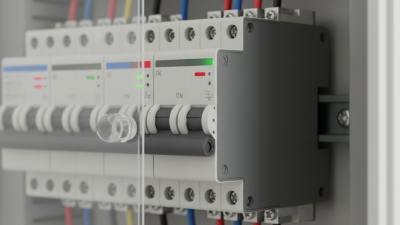
What is an Rcbo Breaker and How Does it Work?
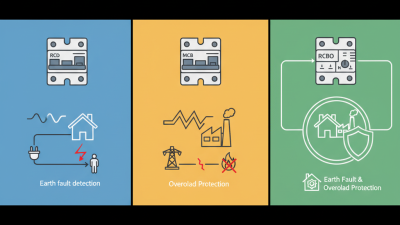
The Rcbo Breaker plays a crucial role in modern electrical systems. Known for its dual functionality, it combines the features of an RCD and a MCB. This device protects against both earth faults and overloads, making it essential for safety.
Understanding how an Rcbo Breaker works can empower users to enhance their electrical safety. It constantly monitors the electrical flow and can act quickly to disconnect power in case of a fault. This reaction time is vital in preventing electrical fires and ensuring user safety.
Despite its importance, misconceptions about the Rcbo Breaker exist. Some may overlook the need for regular testing and maintenance. This can lead to a false sense of security. Users must learn to recognize its significance and the necessary precautions to ensure its effectiveness in protecting their homes and businesses.
What is an RCBO Breaker?
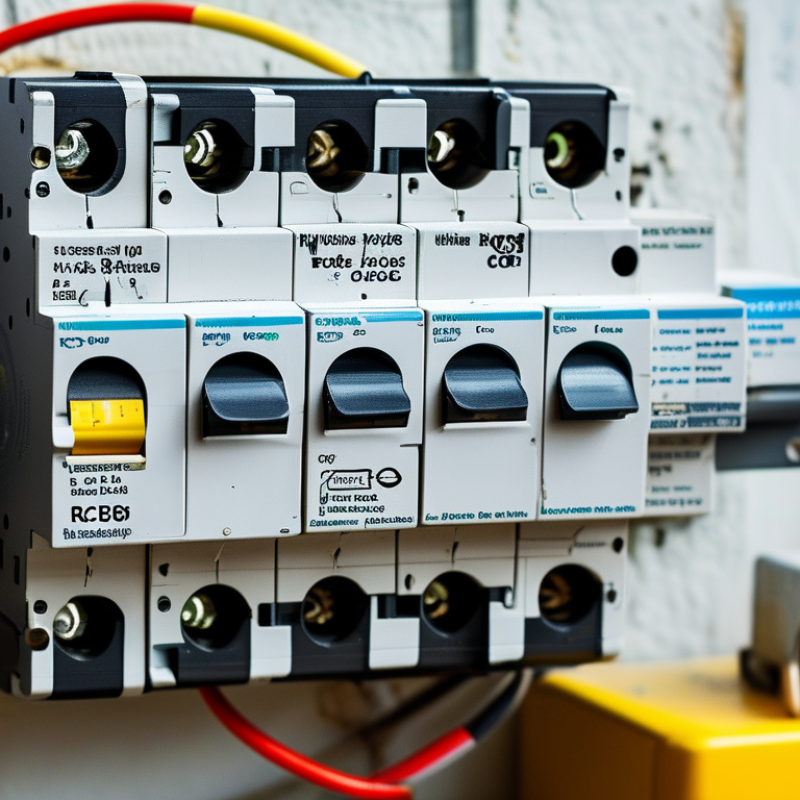
An RCBO breaker, or Residual Current Circuit Breaker with Overcurrent protection, plays a vital role in electrical safety. This device combines two functions in one unit: it detects earth faults and protects against overloads. When there's a fault, such as a short circuit, the RCBO can disconnect the power supply. This feature is essential in preventing electrical fires and ensuring user safety.
How does the RCBO work? It continuously monitors the electrical current flowing through a circuit. If it detects an imbalance, indicating a leak or fault, it trips and cuts off the power within milliseconds. This quick action minimizes the risk of electric shock. The ability to handle overcurrent provides added protection against device damage.
While RCBOs enhance safety, they are not foolproof. Improper installation can lead to malfunctioning. Regular testing and maintenance are crucial for reliability. Homeowners should familiarize themselves with how to reset their RCBOs after a trip. Understanding the device's limitations is vital for making informed safety decisions.
Components of an RCBO Breaker
An RCBO breaker, or Residual Current Circuit Breaker with Overload protection, plays a vital role in electrical safety. Understanding its components helps us appreciate its functionality. One key element is the residual current detector. This component monitors the current flowing through the circuit. If an imbalance occurs, it reacts swiftly to prevent electric shocks.
Another important part is the overload protection mechanism. This prevents damage caused by excessive current flow. It typically uses thermal and magnetic trips for accurate detection. The thermal aspect responds to prolonged overloads, while the magnetic trip acts instantaneously. Together, these components provide a reliable safeguard against both shock and electrical fires.
Lastly, the test button on an RCBO is worth noting. This feature allows users to check if the breaker is functioning correctly. Neglecting this simple task can lead to dangerous situations. Regular testing ensures optimal safety, highlighting the usability of this device in everyday scenarios. Understanding these components enhances appreciation for such technology in our homes and workplaces.
How RCBO Breakers Function in Electrical Circuits
RCBO breakers are essential in modern electrical circuits. They combine the functions of a circuit breaker and an RCD (Residual Current Device). This unique design helps protect against overloads and earth faults. An RCBO can detect differences in electrical current. When it senses a fault, it quickly disconnects the circuit to prevent accidents.
In practice, RCBOs are often used in residential and commercial applications. They provide targeted protection for individual circuits. For example, they can safeguard kitchen appliances, ensuring safety while cooking. A homeowner may notice flickering lights or tripped breakers, indicating possible issues. Installers often find it tricky to balance sensitivities, which can lead to unnecessary trips.
Understanding how RCBO breakers work can help you make informed decisions. They typically monitor current flow continuously. However, an RCBO might not always operate perfectly. Sometimes, external factors, like moisture, can lead to false trips. Regular inspections and proper installations play a vital role in their effectiveness. This approach enhances overall electrical safety.
Advantages of Using RCBO Breakers
RCBO (Residual Current Circuit Breaker with Overcurrent Protection) breakers are essential for electrical safety in homes and businesses. One major advantage of using RCBOs is their dual functionality. They provide protection against both earth faults and overcurrents. This means they can effectively prevent electrical shocks and fire risks caused by faulty wiring or devices. By providing these protections separately, RCBOs reduce the chances of nuisance tripping, making your electrical system more reliable.
Another notable benefit is the ability of RCBOs to isolate circuits. When a fault occurs, only the affected circuit is disconnected. This allows other circuits to continue functioning, ensuring minimal disruption. It can save time and cost associated with outages. Additionally, installing RCBOs can lead to a decrease in energy consumption. They help identify and address potential electrical issues before they escalate, promoting a safer environment.
Yet, some may overlook the initial investment required for these breakers. While they can be pricier than traditional fuses or MCBs, their long-term benefits often justify the cost. Users need to reflect on their current systems and evaluate the importance of reliable safety features. Investing in RCBOs could ultimately lead to safer living spaces and improved operational efficiency.
Advantages of Using RCBO Breakers
Installation and Maintenance of RCBO Breakers
RCBO breakers are essential for modern electrical systems. Their installation requires careful consideration. Begin with assessing the electrical load requirements in the space. Ensure you choose an appropriate RCBO rating. The breaker must match the circuit's load while providing the necessary protection against short circuits and overloads.
The installation process involves turning off the main power supply. Carefully connect the wires following the manufacturer's instructions. Tighten all connections securely to prevent any loose wiring issues. It’s crucial to test the RCBO after installation, ensuring it responds correctly. Regular maintenance includes periodic checks to confirm proper operation. Look for any signs of wear or damage over time.
Many overlook the importance of regular inspections. It’s easy to forget about breakers as they often remain hidden. However, a proactive approach to maintenance can prevent unforeseen electrical issues. Taking time to understand the function and care of RCBO breakers is vital for safety and efficiency. Consistent checks help ensure reliable performance and extend the lifespan of your electrical system.
What is an Rcbo Breaker and How Does it Work? - Installation and Maintenance of RCBO Breakers
| Dimension |
Details |
| Type |
RCBO (Residual Current Circuit Breaker with Overcurrent Protection) |
| Function |
Protects against electrical faults such as overloads, short circuits, and earth leakage. |
| Operating Principle |
Detects imbalance in the electric current between the live and neutral conductors. |
| Installation Location |
Generally installed in residential or commercial electrical panels. |
| Current Ratings |
Typically available in ratings such as 6A, 10A, 16A, 20A, 32A, etc. |
| Test Button |
Used to regularly check the functionality of the device. |
| Maintenance Frequency |
Recommended to inspect and test quarterly to ensure operation. |
| Common Issues |
Tripping due to moisture, faulty wiring, or device overload. |