Leave Your Message

Why Choose a Bathtub Faucet for Your Bathroom?

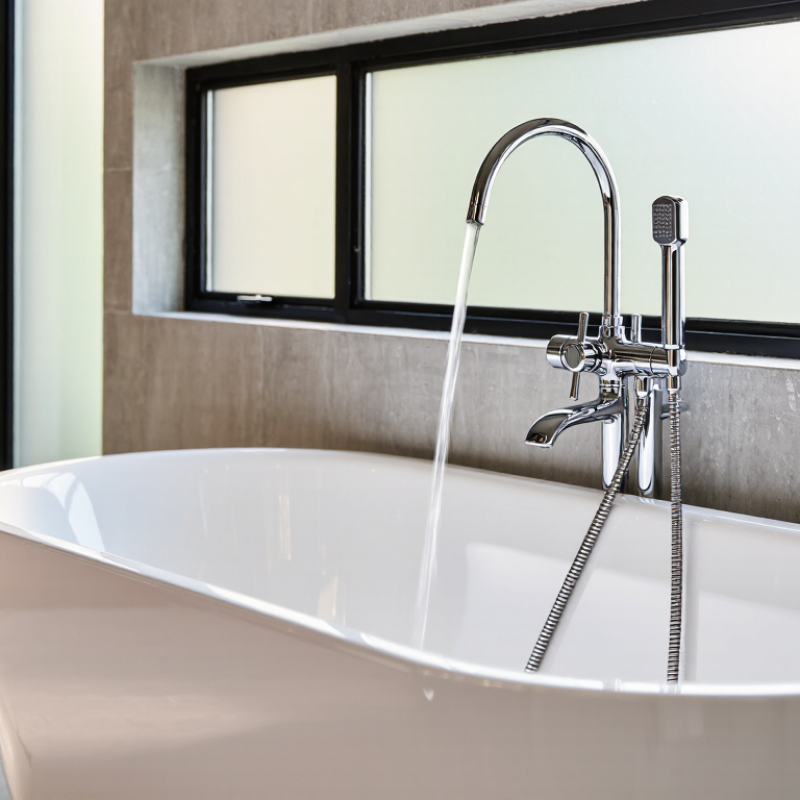
A bathtub should feel like a place to slow down, not a daily source of frustration. The right Bathtub Faucet can make filling the tub easier, control water temperature more comfortably, and complement the room’s style. Small details matter: a handle that turns smoothly, a spout that reaches the basin, and water that flows without splashing across the rim.

Choosing a faucet is not only about appearance. Check whether the model suits your tub and plumbing setup before comparing finishes or features. Wall-mounted, deck-mounted, and freestanding designs each require different installation conditions. A faucet that looks perfect in a photo may not fit your existing connections. Measure carefully. It saves trouble later.

Think about how you actually use the bathroom. Do you need a handheld shower for rinsing, bathing children, or cleaning the tub? Is the handle easy to reach from outside the bath? These practical questions can matter more than a fashionable finish, which may show water spots in a busy household. No single design works for everyone. Even a well-reviewed faucet can disappoint if its reach or controls feel awkward in your space. Consider maintenance, too: accessible parts and clear product information make future repairs less uncertain. This guide explores the benefits, styles, and selection points that can help you choose with confidence, while recognizing that your bathroom’s layout may limit some options. A little planning helps. So does honest measurement.
Why Choose a Bathtub Faucet for Your Bathroom?

What Is a Bathtub Faucet and How Does It Work?

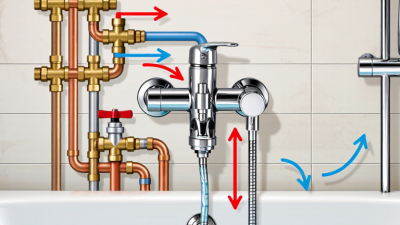
A bathtub faucet is the fixture that delivers water into the tub; its visible spout is only one part of the system. Behind the wall, hot and cold supply lines feed a mixing valve, which controls temperature and flow. Turn the handle, and the valve blends the supplies before water exits the spout. A diverter, when fitted, redirects water to a showerhead. Simple, but not trivial. Pressure-balancing or thermostatic valves can help limit sudden temperature changes when another tap or appliance draws water.

Flow rate matters, though sink figures should not be mistaken for tub-faucet limits. The U.S. Environmental Protection Agency’s WaterSense specification sets a maximum of 1.5 gallons per minute for certified bathroom sink faucets and 2.0 gallons per minute for certified showerheads. These are useful reference points, not bathtub-filler ratings. Tub faucets are designed to fill a larger basin, and actual filling time depends on the faucet, valve, pipework, and water pressure. A strong flow feels convenient; it can also make an unattended bath rise quickly. Check the controls and spout placement during installation, and think carefully about who will use the tub.
Why Choose a Bathtub Faucet for Your Bathroom?

What Is a Bathtub Faucet and How Does It Work?

A bathtub faucet mixes hot and cold water to set the temperature; its spout directs water into the tub, and a diverter—when fitted—can send water to a showerhead. The chart shows U.S. flow-rate benchmarks for bathroom sink faucets and showerheads, not bathtub-spout ratings. Bathtub-spout flow varies by faucet and plumbing system.

Flow limits are in gallons per minute (gpm). Federal limits: 2.2 gpm for bathroom sink faucets and 2.5 gpm for showerheads. WaterSense specifications: 1.5 gpm for bathroom sink faucets and 2.0 gpm for showerheads. Test conditions differ by fixture and standard.

What Types of Bathtub Faucets Are Available?

Why Choose a Bathtub Faucet for Your Bathroom?

What Types of Bathtub Faucets Are Available?

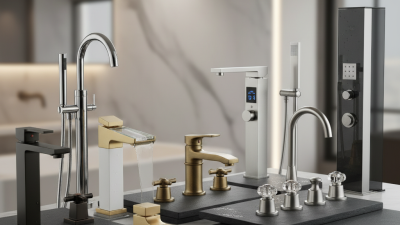
Bathtub faucets differ mainly in how they are installed and how they deliver water. Deck-mounted faucets attach to the tub’s rim or nearby ledge. They suit tubs with enough flat space for the faucet and handles. Wall-mounted models connect through the wall above the tub, keeping the rim clear. Their spout must reach far enough over the tub to prevent splashing.

Freestanding faucets stand beside a freestanding tub and often have a tall, exposed pipe. They can create a striking look, but their position needs careful planning before plumbing work begins. A tub-and-shower combination uses a diverter to send water to either the tub spout or showerhead. Some tubs also use rim-mounted hand showers. The right choice depends on your tub, existing plumbing, and preferred bathing routine. It is easy to focus on appearance and overlook practical details.

Tips: Measure the tub rim, spout reach, and available wall space before choosing a style. Check that the faucet works with your plumbing and tub openings. If measurements feel uncertain, pause and verify them; a small mistake can be awkward to fix after installation.

What Benefits Does a Bathtub Faucet Offer?

A bathtub faucet does more than deliver water; it shapes how comfortably and predictably a tub fills. A well-matched spout can direct water into the basin with less splash, helping keep the rim and nearby floor drier. This is useful in a compact bathroom or with a deep tub. Small detail, real difference.

Separate hot and cold controls, or a single lever, let you adjust flow and temperature as the tub fills. The result depends on the valve design and household water pressure. Some models use thermostatic controls to help maintain a steadier temperature, but checking the water before bathing is still important.

Some faucet sets include a diverter for a hand shower. It can help with rinsing hair, cleaning the tub, or bathing a child. Not every setup includes one, so check what comes with the fixture. Handle shape and finish can also affect daily use, especially when your hands are wet. Before choosing, confirm the mounting type, spout reach, and compatibility with your plumbing. Replacing a faucet is not always a simple swap; access behind the wall can make installation more involved. A beautiful fixture may still feel awkward if its handle is hard to reach.

Why Choose a Bathtub Faucet for Your Bathroom? — What Benefits Does a Bathtub Faucet Offer?

Benefit What It Offers Practical Consideration Especially Useful For
Convenient tub filling A tub spout directs water into the bathtub, making it straightforward to fill for a bath. Filling time depends on the tub’s capacity, the plumbing, and the water flow available at the spout. Households that regularly use a bathtub for bathing or relaxing.
Simple temperature and flow control Faucet handles let users adjust water temperature and flow at the tub. Handle layout and control type vary. Follow the product instructions and check local requirements when choosing a fixture. Bathrooms where users want controls within reach of the tub.
Options for different bathing routines Some bathtub faucet configurations include a diverter that directs water between the tub spout and a compatible shower outlet. A diverter is not included in every faucet. Confirm that the faucet and shower components are designed to work together. Bathrooms used for both bathing and showering.
Handheld rinsing, when compatible A compatible handheld shower can help rinse the tub, wash hair, or assist with bathing. Handheld sprayers are separate or optional on many setups; check connection type, hose reach, and installation requirements. Families, pet owners, and people who find a handheld spray useful.
Choice of installation style Bathtub faucets are available in deck-mounted, wall-mounted, and freestanding styles, depending on the tub and plumbing layout. The tub design, existing water lines, and access for installation determine which style is suitable. Some installations need plumbing changes. New bathroom projects or renovations where fixture placement can be planned.
Room to match bathroom design A range of faucet shapes and finishes makes it possible to coordinate the fixture with the tub and other bathroom fittings. Finish appearance and maintenance needs vary. Check care instructions and select a finish suitable for the bathroom environment. Homeowners aiming for a coordinated bathroom look.
Potentially easier tub cleaning A spout positioned over the tub can provide a convenient water source for rinsing the basin after use. Cleaning ease depends on spout reach, tub shape, and access to the faucet and surrounding surfaces. People who regularly rinse or clean the bathtub.
Opportunity to manage water use Choosing an appropriately rated fixture and turning off the flow when it is not needed can help avoid unnecessary water use. Actual use depends on the faucet’s flow rate, bathing habits, and local plumbing standards; a bathtub faucet does not automatically reduce water consumption. Households comparing fixtures and looking to make informed water-use choices.

Selection tip: Check faucet compatibility with the bathtub, plumbing layout, required fittings, and local plumbing codes before purchase or installation.

How Do You Choose the Right Bathtub Faucet?

Why Choose a Bathtub Faucet for Your Bathroom?

How Do You Choose the Right Bathtub Faucet?

Start with the tub, not the finish. Check how many faucet holes it has and measure the distance between them. A deck-mounted faucet suits many tubs with rim holes, while a wall-mounted model needs compatible plumbing behind the wall. Freestanding tubs often need a floor-mounted filler. Measure carefully. A faucet that looks right online may not reach the tub comfortably.

Next, consider how you use the bath. A handheld shower can help rinse hair, clean the tub, or bathe a child. Check the hose length and where it will rest when not in use. For a separate hot and cold control, make sure the handles are easy to reach without leaning across the tub. Flow rate and water pressure matter, too; a tall spout can look impressive but may splash if the stream falls too far.

Choose a durable, easy-to-clean finish that works with your bathroom, but do not let appearance make the decision for you. Mineral spots show more clearly on some finishes, especially in hard-water areas. Think about repair access as well. A small detail, but important. If the plumbing layout is unclear, ask a qualified installer to check measurements and connections before you buy. That extra check can prevent an awkward fit and costly changes later.

What Should You Consider for Installation and Maintenance?

Why Choose a Bathtub Faucet for Your Bathroom?

What Should You Consider for Installation and Maintenance?

When choosing a bathtub faucet, plan around the tub and plumbing, not appearance alone. Measure the tub rim and the distance from the wall to the drain. A faucet that reaches too far can splash water onto the floor. One that falls short may make filling the tub awkward. Check whether it mounts on the wall, deck, or floor, and confirm that the existing supply lines suit that setup. A qualified plumber can assess concealed pipes before a wall is opened.

Installation details matter. Set the spout height and reach so water flows into the tub without hitting the opposite side. Follow the installation instructions for sealing and fastening, and keep service valves accessible where possible. Test the hot and cold controls before closing a wall or panel. Small leaks hide well.

For upkeep, wipe the faucet dry after bathing to limit mineral spots, especially in hard-water areas. Use a soft cloth and a cleaner suited to the finish; abrasive pads can scratch it. Check connections periodically for drips and clean the spout outlet if water flow becomes uneven. I would not assume a slow leak is harmless: moisture behind a tub can damage nearby materials before it becomes visible. Choose a design you can reach and maintain, even if its less flashy shape first seems less appealing.