How to Choose the Best Led Lighting for Your Business Needs?
Choosing the best LED lighting for your business can be a daunting task. Paul Johnson, a lighting design expert with over 15 years in the field, emphasizes, "The right LED lighting can transform not just your space, but your entire business." LED lighting offers energy efficiency, longevity, and versatility. It can significantly enhance your workspace, influence customer behavior, and improve employee productivity.
Understanding your specific business needs is crucial. Each industry has unique lighting demands, from retail to hospitality. For instance, a restaurant might require warm, inviting tones, while an office might benefit from bright, focused light. Experimenting with different LED options can be beneficial, allowing businesses to discover what works best in their environment.
However, selecting the right LED lighting isn't always straightforward. With so many choices and technical specifications, it’s easy to feel overwhelmed. Reflecting on both your aesthetic and functional requirements is essential. The balance between cost and quality often forces businesses to rethink their choices. Aim to prioritize long-term gains over short-term savings. In the end, the right LED lighting is not just an expense; it is an investment in your brand's future.
Understanding the Benefits of LED Lighting for Businesses
When considering LED lighting for businesses, one must appreciate its numerous benefits. LED lights consume significantly less energy than traditional bulbs. This translates into lower electricity bills and reduced carbon footprints. Businesses can save substantial costs over time. Energy efficiency is a compelling reason to switch.
Moreover, LED lighting has a longer lifespan. Standard bulbs might last for one thousand hours, while LEDs can shine for up to twenty-five thousand hours. This longevity reduces the need for frequent replacements. It also minimizes disruption in workplaces. Employees can focus better without constant interruptions caused by blown-out lights.
However, not all LED solutions are perfect. Some products may lack the warmth or ambiance desired in certain settings. It is crucial to consider the color temperature and brightness when selecting LEDs. Companies might initially invest more in LED technology. Yet, the long-term benefits often outweigh these initial expenses. Understanding these nuances is vital when making lighting choices that support both work efficiency and employee satisfaction.
Assessing Your Business Lighting Requirements
Assessing your business lighting requirements is crucial for both functionality and aesthetics. Consider the nature of your business. Is it retail, office, or manufacturing? Each space has different lighting needs. For instance, retail stores typically benefit from bright, focused lighting to highlight products, while offices may require softer lighting for a comfortable working environment.
According to a report by the American Council for an Energy-Efficient Economy (ACEEE), energy-efficient LED lighting can reduce energy consumption by up to 75% compared to traditional lighting. However, the quality of light is equally important. A study conducted by the Pacific Northwest National Laboratory found that poor lighting can lead to decreased productivity and employee dissatisfaction. Businesses should evaluate their space to determine the appropriate color temperature and brightness.
It's important to not overlook the potential drawbacks of LED lighting. Initial costs can be higher, and not all LEDs provide the same quality of light. Some may flicker or have limited dimming capabilities. Consider testing different options before a full rollout. Taking the time to thoroughly assess your lighting needs can lead to a better, more efficient workspace.
Comparing Different Types of LED Lighting Products
When selecting LED lighting for a business, understanding the types available is crucial. There are various options, such as bulbs, panels, and high-bay lights. Each type serves unique purposes. For instance, LED bulbs are ideal for general lighting. They last, on average, 25,000 to 50,000 hours, significantly reducing replacement frequency. High-bay lights are perfect for warehouses, providing focused lighting. They can illuminate vast areas efficiently.
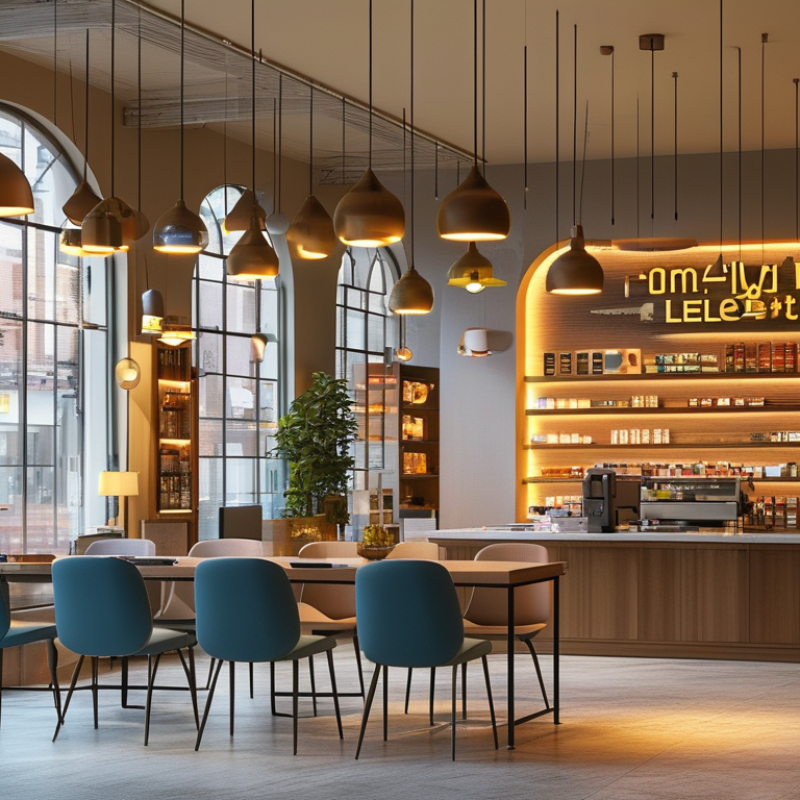
Energy efficiency is a significant consideration. According to a report by the Department of Energy, replacing traditional bulbs with LEDs can reduce energy consumption by up to 75%. This shift not only lowers bills but also lessens environmental impact. Moreover, the quality of light must be assessed. Color temperature and lumen output play vital roles. Cooler temperatures fit retail spaces well, enhancing product visibility. Warmer temperatures create inviting atmospheres in restaurants.
However, one must be cautious. Not all LED products are created equal. Some lower-cost options may lack longevity or brightness. Researching product specifications and manufacturer credibility can mitigate this risk. Opting for quality ensures reliability and performance over time. Balancing cost versus quality is essential. Understanding your specific lighting needs will guide the choice of the right LED solution.
Evaluating Energy Efficiency and Cost Savings
When evaluating energy efficiency for LED lighting in business, it’s crucial to analyze the long-term savings. According to a report by the U.S. Department of Energy, LED lighting can save up to 75% on energy consumption compared to traditional incandescent bulbs. This not only reduces utility bills, but also minimizes the need for frequent replacements, leading to further cost savings.
Calculating total cost of ownership (TCO) can be enlightening. Businesses often overlook maintenance and operational costs. For instance, replacing fluorescent lights typically incurs both labor and material costs. LED lights, lasting up to 25,000 hours, mean fewer replacements. This results in less downtime and disruption in operations. Some estimates suggest that businesses can save anywhere from $100 to $200 per year per bulb when switching to LED.
However, the initial investment can be a hurdle. While LED prices have decreased significantly, some businesses may hesitate to make the upfront purchase. Investing in quality LED fixtures can ensure better performance. Careful consideration of energy grants or incentives can aid in offsetting costs. It's essential to reflect on whether the immediate budget constraints outweigh the potential long-term gains.
Factors to Consider When Selecting LED Lighting Fixtures
When selecting LED lighting fixtures for your business, consider the type of environment. Different spaces require different lighting solutions. An office might benefit from bright, cool white lights that enhance focus. In contrast, a retail space may need warm lighting to create an inviting atmosphere.
Another factor is energy efficiency. LED lights use less energy and have a longer lifespan than traditional bulbs. This can significantly reduce your energy bills over time. However, the initial investment might be higher. Reflecting on this choice is essential when planning your budget.
Finally, think about the color temperature. This impacts the mood and productivity of your team. Cooler lights can make a space feel more sterile, while warmer tones promote relaxation. It's essential to balance functionality and ambiance. Test different fixtures if possible, and gather feedback from your team. This participatory approach leads to better decisions. Choosing the right lighting is nuanced and requires attention to detail.
LED Lighting Selection Factors for Businesses