Choosing the best Isolator Switch in 2026 depends on the installation, not a popularity ranking. A rooftop solar array, workshop panel, and commercial distribution board place different demands on a switch. Each needs suitable voltage and current ratings, clear ON/OFF indication, and a practical means of secure isolation.
IEC 60947-3 describes a switch-disconnector as a mechanical device that, when open, meets requirements for the isolating function. That distinction matters. A switch that looks sturdy may still be unsuitable if its ratings, enclosure, or operating mechanism do not match the application. As electrical engineer, check the nameplate, pole configuration, load type, and installation environment. Small details count. Dust, moisture, heat, and limited panel space can change the right choice.
There is no universal winner. The best option is the one whose verified specifications fit the circuit and whose operation is unmistakable during maintenance. “A clear rating is better than a confident guess.” Treat that as a practical reminder, not a formal standard quotation. This guide compares common Isolator Switch types, key selection criteria, and features worth checking before purchase. It also acknowledges a limitation: product labels can look similar, while internal ratings and intended uses differ. Verify the manufacturer’s documentation, and have a qualified professional confirm the selection for the specific installation. A careful choice may feel slower. It is still worth the extra check.
Which Is the Best Isolator Switch in 2026?
What Is an Isolator Switch and How Does It Work?
An isolator switch is a mechanical device that disconnects electrical equipment from its power supply. Moving its handle opens contacts inside the enclosure, creating a break in the circuit. This helps technicians work on equipment that has been separated from its source. Unlike a circuit breaker, an isolator is generally intended for isolation, not interrupting fault current. Some models can switch loads, but only within their rated conditions. That distinction matters.
In practice, an isolator may sit beside an air-conditioning unit or inside an electrical panel. Its rating, pole configuration, enclosure protection, and installation environment should match the equipment and site. The best choice in 2026 is not simply the largest switch; it is one correctly rated for the circuit and accessible for safe operation. An off position alone does not prove that wiring is dead. Before maintenance, a qualified person should follow site procedures and verify absence of voltage with suitable test equipment. I still find that labels can be overlooked, especially in crowded panels.
Tips: Check the nameplate and wiring diagram before selecting a switch. Keep the operating handle clear, and label the circuit plainly. Never rely on the switch position alone.
An isolator switch creates a means of disconnecting electrical equipment from its supply so it can be safely inspected or maintained. The best choice depends on the circuit, voltage, current, environment, and applicable installation rules—not on a single universal product.
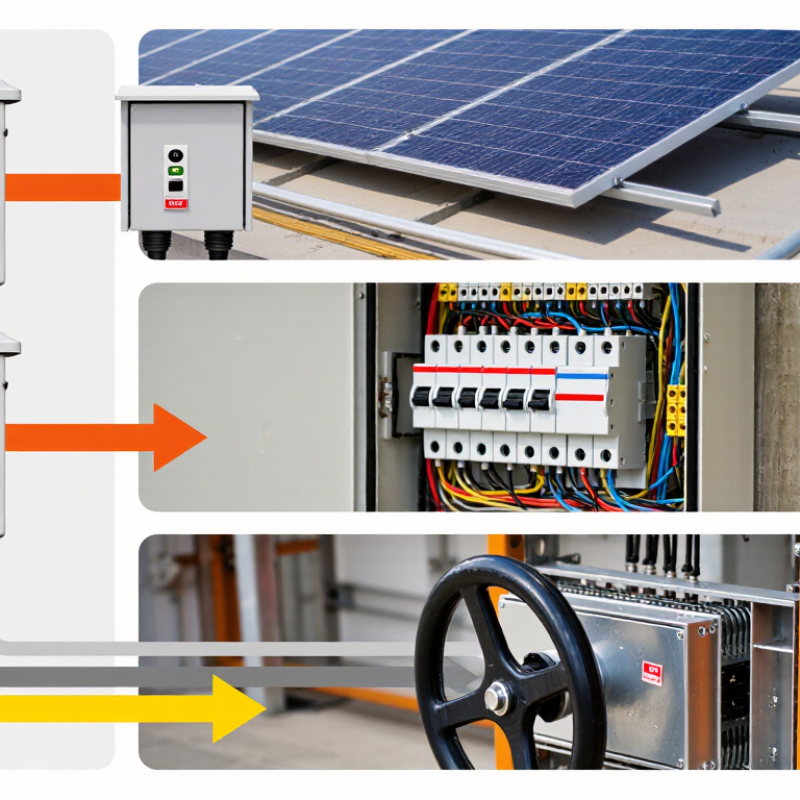
| Isolator type | Typical use | Key selection checks | Main advantage | Important limitation | Best fit |
|---|---|---|---|---|---|
| AC switch-disconnector | Distribution boards, machinery, and other AC circuits where the device is intended to switch load current. | Rated operational voltage and current, utilization category, number of poles, fault protection coordination, and enclosure suitability. | Can provide isolation and, when correctly rated, switching under specified load conditions. | A device marked only as an isolator may not be suitable for breaking load current. | General AC equipment when both isolation and rated switching are required. |
| DC photovoltaic isolator | Disconnecting the DC side of a solar photovoltaic array or associated equipment. | DC voltage and current ratings, pole arrangement, polarity and wiring instructions, PV suitability, and installation location. | Designed for the electrical demands of DC PV circuits, where arcs can be harder to extinguish than in AC circuits. | An AC-only switch is not a substitute; DC ratings and connection requirements must be followed. | Solar PV systems when the device is specified for the array’s DC conditions. |
| Enclosed rotary isolator | Local disconnection near motors, pumps, fans, or production equipment. | Circuit rating, switching duty, enclosure ingress protection, temperature, mounting, and provision for lockout where required. | A visible, nearby operating handle can make local isolation straightforward. | The enclosure rating alone does not establish electrical suitability or protection against every site hazard. | Local equipment isolation in industrial or commercial installations. |
| Fuse-switch disconnector | Circuits that need a disconnecting function together with fuse-based overcurrent protection. | System voltage, switch rating, fuse type and rating, prospective fault current, and coordination with downstream equipment. | Combines switching and isolation functions with a fuse arrangement in one assembly. | The fuse must be correctly selected and replaced; the device does not remove the need for suitable installation design. | Circuits requiring fused protection and a suitable disconnecting means. |
| Lockable maintenance isolator | Equipment that needs to remain disconnected during service or maintenance. | Electrical ratings, number of poles, lockout arrangement, access, labeling, and the site’s safe-isolation procedure. | Can help prevent unintended operation when a compatible lockout procedure is used. | A lockable handle does not by itself prove that all energy sources are isolated or that the circuit is de-energized. | Maintenance work where controlled isolation and lockout are required. |
Moving the operating handle opens the device’s contacts, separating the connected circuit from its supply. A suitable switch-disconnector can also be designed and rated to switch specified load currents. A simple isolator is generally intended to provide disconnection, not to interrupt current under load; follow the device instructions and the installation’s safe-isolation procedure.
Selection note: Check the applicable national wiring rules and the equipment’s nameplate and technical documentation. IEC 60947-3 covers switches, disconnectors, switch-disconnectors, and fuse-combination units within its scope; PV installations also require consideration of relevant PV design and installation requirements, such as IEC 62548 where applicable. Isolation does not automatically verify that a circuit is dead—use the required test and safety procedures.