Top 10 Benefits of LED Lighting for Home and Business
LED lighting has revolutionized both home and business environments, providing numerous advantages that are hard to overlook. According to a report by the U.S. Department of Energy, widespread LED adoption could reduce energy consumption for lighting by about 50% by 2030. This statistic highlights just one of the many benefits of LED lighting.
In addition to energy savings, LED lighting offers a longer lifespan. Traditional bulbs last around 1,000 hours, while LEDs can last up to 25,000 hours or more. This durability translates to fewer replacements and reduced maintenance costs over time. Businesses can particularly benefit from this feature, as saving time and resources leads to increased productivity.
Despite the notable advantages, some may find the initial cost of LED lighting daunting. However, it's essential to consider the long-term savings on energy bills. This investment pays off in the long run. Embracing LED lighting not only enhances efficiency, but it also contributes positively to the environment. It's a perfect illustration of how innovation can lead to better living and working conditions.
Advantages of LED Lighting Over Traditional Bulbs
LED lighting offers distinct advantages over traditional bulbs. One major benefit is energy efficiency. LED lights use at least 75% less energy than incandescent bulbs. This leads to lower electricity bills. Additionally, LEDs have a much longer lifespan, lasting up to 25 times longer. This means fewer replacements, saving time and resources.
Another advantage is the quality of light. LED lights provide brighter illumination without harshness. They can be dimmed effectively, creating a soothing environment. However, not all LEDs are created equal. Some may produce a colder light. It's important to choose the right temperature for your space.
Tips: When switching to LED, consider your lighting needs carefully. Match the brightness and warmth to each room's purpose. Also, explore options for smart LEDs. They provide flexibility and control over your lighting at home or in the office. Don't rush the decision. Experiment with different types before commitment. You might find a surprising preference.
Energy Efficiency and Cost Savings with LED Lighting
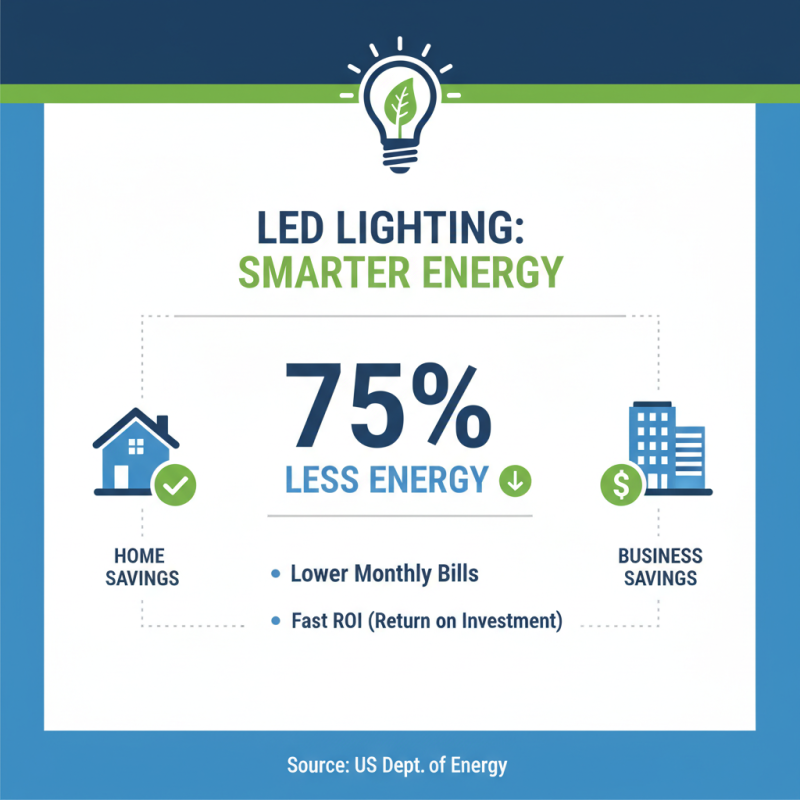
LED lighting offers significant energy efficiency and cost savings for both homes and businesses. According to the U.S. Department of Energy, LED bulbs use up to 75% less energy than traditional incandescent bulbs. This reduction in energy consumption translates directly to reduced monthly utility bills. Over time, these savings can accumulate, often covering the initial investment in LED technology within just a few months.
Optimizing your lighting choices is essential. Many office spaces can replace outdated lighting fixtures with LEDs to enhance efficiency. This change not only cuts costs but can also improve workplace productivity by providing better quality lighting. A study published by the Lighting Research Center shows that improved lighting can increase employee performance by up to 25%.
Tip: To maximize your savings, consider installing dimmers and smart sensors. These innovations help manage energy use without compromising on light quality. Regularly assessing your lighting needs can reveal further opportunities for savings. Revisit your choices frequently; sometimes, what worked before may not suit current needs. Remember, even small adjustments can lead to significant cost reductions.
Longevity and Durability: A Key Benefit of LED Technology
LED lighting is renowned for its longevity and durability, making it a smart choice for both homes and businesses. These lights can last up to 25,000 hours or more. This means fewer replacements over time, saving money and reducing waste. Imagine not having to change a bulb for years! It’s appealing and practical.
However, while LEDs are durable, they aren’t impervious to issues. Poor-quality LED products might flicker or dim prematurely. Consumers might find themselves frustrated when an LED fails unexpectedly. Proper installation and using quality fixtures are essential for maximizing lifespan. Choosing the right environment also plays a role. Extreme heat or moisture can shorten an LED’s life.
In addition, not all applications benefit equally from LED lighting. Some users may find that the light quality does not meet their expectations. Color temperature can vary, impacting mood and ambiance. Finding the right balance can sometimes feel like a trial-and-error process. As technology evolves, staying updated will ensure optimal use of LED’s advantages.
Environmental Impact of Switching to LED Lighting
LED lighting is making a significant environmental impact. According to a study by the Department of Energy, switching to LED lighting can reduce energy consumption by up to 75%. This dramatic decrease not only lowers electricity bills but also minimizes the demand for power plants. This shift leads to a reduction in greenhouse gas emissions, making a positive contribution to combating climate change.
Moreover, LEDs have a much longer lifespan compared to traditional bulbs. They last about 25,000 hours, which means fewer replacements. This longevity reduces waste in landfills, where outdated bulbs often end up. A report from the Environmental Protection Agency reveals that reduced waste contributes to lower overall pollution levels, yet many still hesitate to make the switch.
Cost savings seem appealing, yet there is a perception that initial investments are too high. Educating consumers about the long-term benefits can bridge this gap. Failing to act can hinder environmental progress. The future of sustainable living relies on such small changes becoming the norm in homes and businesses alike.
Versatility and Design Flexibility of LED Solutions
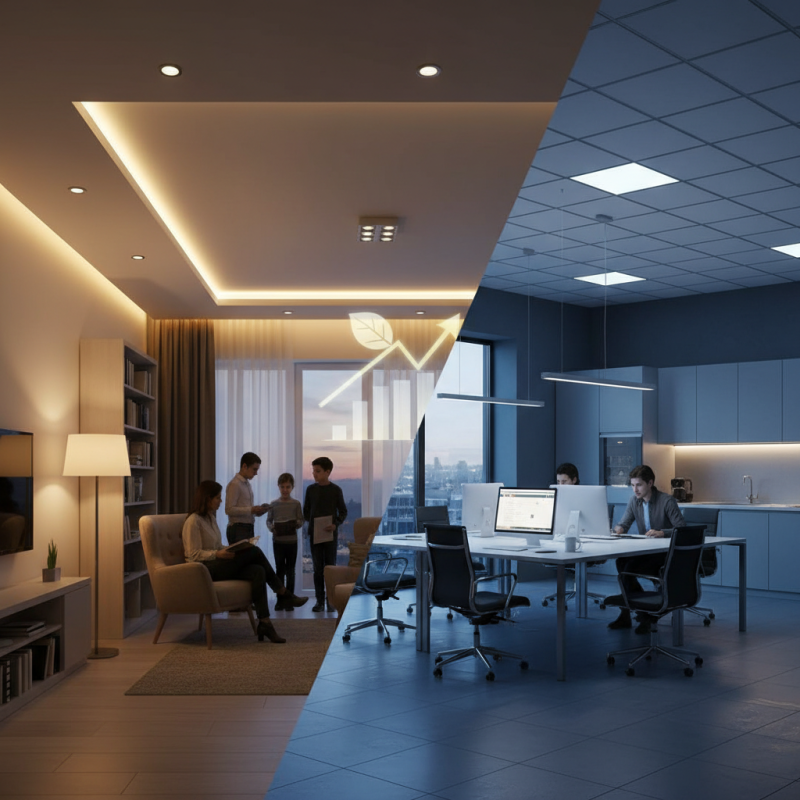
LED lighting has transformed the way we illuminate our spaces. Its versatility and design flexibility cater to various needs. From cozy homes to dynamic workplaces, LED solutions adapt beautifully. You can choose different colors and intensities. This flexibility adds a personal touch to every environment.
Consider the unique shapes available. LED lights come in various forms, from strips to bulbs. This allows for creative installations. They can be seamlessly integrated into furniture or architecture. The design possibilities are nearly endless. However, some may find the initial investment daunting.
Customization can also feel overwhelming. What works in one space might not work in another. It's essential to experiment and reflect on your choices. Think about the mood you want to create. The right lighting can enhance functionality and aesthetics significantly. However, it may take time to find the perfect balance for your needs.
Top 10 Benefits of LED Lighting for Home and Business - Versatility and Design Flexibility of LED Solutions
| Benefit |
Description |
Energy Efficiency (%) |
Lifespan (Hours) |
| Energy Savings |
LEDs use up to 80% less energy than traditional lighting. |
80 |
25,000 |
| Long Lifespan |
LED lights last significantly longer than incandescent or fluorescent bulbs. |
N/A |
50,000 |
| Low Heat Emission |
LEDs produce very little heat, making them safer and more efficient. |
N/A |
N/A |
| Design Flexibility |
Available in a variety of shapes, sizes, and colors for various applications. |
N/A |
N/A |
| Instant On |
LEDs light up instantly without the warm-up time of fluorescent bulbs. |
N/A |
N/A |
| Durability |
LEDs are more resistant to damage than fragile bulbs. |
N/A |
N/A |
| Environmental Impact |
LEDs contain no toxic materials and are 100% recyclable. |
N/A |
N/A |
| Better Light Quality |
LEDs offer a range of colors and brightness settings. |
N/A |
N/A |
| Smart Technology Integration |
Easily integrate with smart home systems for enhanced control. |
N/A |
N/A |
| Cost-effectiveness |
Lower energy bills result in cost savings over time. |
N/A |
N/A |