Leave Your Message

10 Best Plumbing Pipes for Global Buyers?

Choosing the right Plumbing Pipes can determine whether a water system remains dependable or becomes a costly maintenance problem. Global buyers face different climates, building codes, water qualities, and installation practices. A pipe that performs well in a Canadian basement may behave differently under tropical heat or high mineral content.

This guide examines 10 widely used pipe options for international projects. It considers pressure ratings, corrosion resistance, temperature tolerance, service life, installation methods, and total ownership costs. Materials may include copper, PEX, CPVC, PVC, stainless steel, and multilayer systems. Each option has practical strengths and clear limitations. No pipe is perfect.

Real-world experience matters. Plumbers often judge materials by handling, joint reliability, and repair access. Engineers also review manufacturer data, test reports, potable-water approvals, and regional compliance requirements. Buyers should verify these documents before placing large orders. Product markings, batch records, and consistent wall thickness can reveal manufacturing quality.

Small details matter.

A flexible pipe may reduce joints around tight corners. A rigid system may provide better mechanical protection in exposed areas. However, installation quality can outweigh material selection. Even a premium pipe may fail when fittings are mismatched, supports are poorly spaced, or freezing risks are ignored.

The following comparison is designed for informed purchasing, not blind ranking. It highlights where each pipe type works best, where caution is necessary, and which questions deserve closer review. Regional standards change, and supplier claims require checking. That is an imperfect but necessary part of responsible global procurement.
10 Best Plumbing Pipes for Global Buyers?

What Makes a Plumbing Pipe Suitable for Global Buyers?

For global buyers, a plumbing pipe must do more than carry water. It must perform reliably across climates, regulations, and installation habits. Material selection starts with water chemistry. Chlorinated water, acidic supplies, and hard water can stress different pipe types. A coastal project may also face salt-laden air. Small details matter.

Pressure rating is equally important. A pipe should handle normal flow, pump surges, and temperature changes without cracking or deforming. Buyers should request test reports, batch traceability, and clear dimensional data. These records make supplier claims easier to verify. Look for certification accepted in the target market, not just a familiar certificate from another country. Thread quality, joint design, and compatible fittings affect leak resistance. I have seen projects fail because installers mixed systems without checking tolerances. That mistake is avoidable.

Transport and installation also shape value. Lightweight pipes may reduce handling costs, while rigid options can protect exposed routes. Packaging should prevent sunlight, moisture, and impact damage during long shipments. A realistic purchase review includes spare fittings, repair methods, and local technical support. Buyers should compare total service life, not only the initial price. The cheapest option can become expensive after repeated leaks. Still, no pipe is perfect. Site conditions are often estimated poorly. Recheck soil, water pressure, and installer skill before approving the final specification.
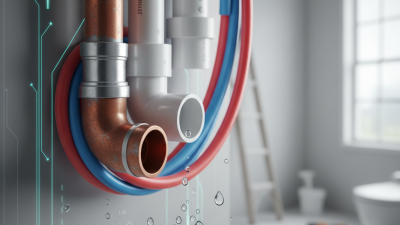
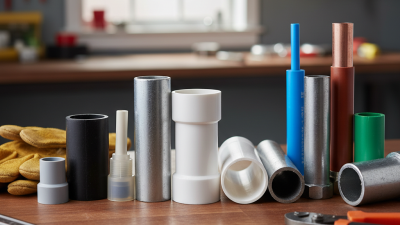
How the Ten Best Plumbing Pipe Materials Compare

How the Ten Best Plumbing Pipe Materials Compare

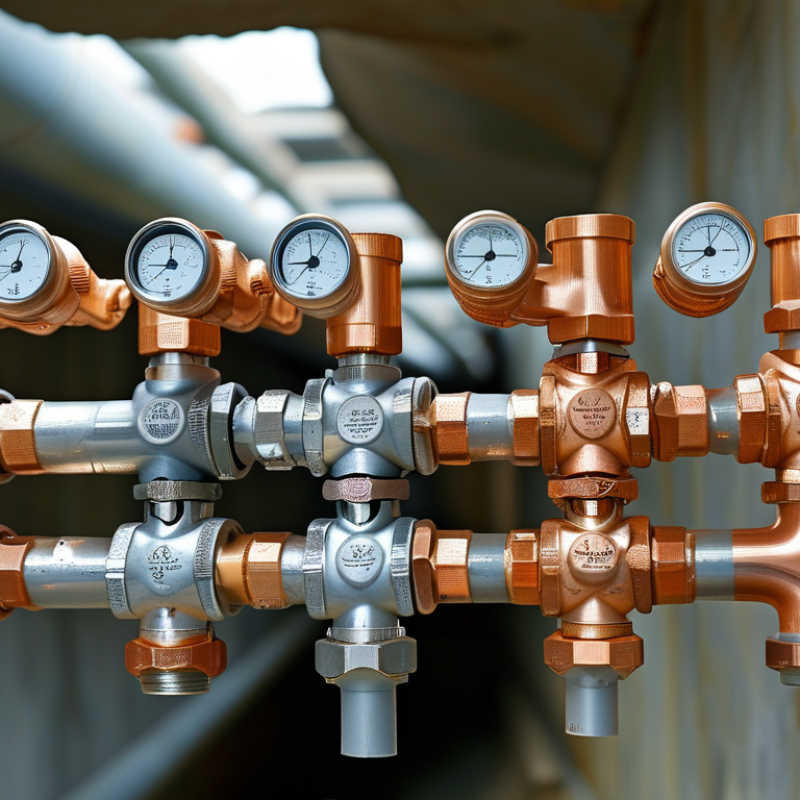
Choosing plumbing pipes depends on water quality, temperature, pressure, installation skills, and project location. Copper handles heat well and resists many common failures, but it can cost more and react with aggressive water. PEX is flexible, reduces joints, and works well in cold climates when protected from sunlight. CPVC is lightweight and suitable for hot and cold water, although it may become brittle with age or rough handling. PVC is economical for cold-water systems and drainage, but it is not suitable for every temperature range.

Stainless steel offers strength and excellent corrosion resistance, especially in demanding environments. Galvanized steel remains durable, yet internal rust can reduce water flow over time. HDPE tolerates ground movement and supports long underground runs, but heat-fusion equipment requires trained installers. Polypropylene is light, clean, and heat-resistant, though its expansion must be planned carefully. Ductile iron suits high-load underground water lines, but its weight increases transport and labor costs. Brass provides reliable connections and good mechanical strength, but material quality must be verified. No material wins everywhere.

Tips: Check local plumbing codes, pressure ratings, and drinking-water approvals before purchasing. Test the water for acidity and hardness. Inspect samples for cracks, uneven walls, or poor threads. Ask for traceable test reports, not only attractive claims. A lower purchase price can create higher repair costs. That lesson is easy to overlook. Also compare fittings, tools, shipping weight, and installer availability. A technically excellent pipe may still be a poor choice if replacement parts cannot reach the site.

Where Each Plumbing Pipe Type Performs Best

10 Best Plumbing Pipes for Global Buyers: Where Each Type Performs Best

Global buyers should match pipe material to water chemistry, climate, pressure, and installation skills. The WHO/UNICEF JMP 2023 report recorded 2.2 billion people without safely managed drinking water in 2022. That gap makes hygiene, certification, and leak control practical priorities. Copper performs well in hot-water lines and compact interiors, but aggressive water can accelerate corrosion. PEX suits residential hot and cold-water distribution, especially where freezing causes movement. CPVC handles warm chlorinated water at moderate cost. PVC is effective for cold-water service, drainage, and low-corrosion environments. Temperature changes matter.

HDPE performs best in buried mains, rural networks, and earthquake-prone areas because it tolerates ground movement. PP-R works well in hot and cold-water systems when fusion joints are installed correctly. Stainless steel suits hospitals, food facilities, and corrosive coastal locations. Ductile iron remains dependable for large municipal mains and high external loads. Galvanized steel is mainly a replacement choice for older buildings. Vitrified clay performs reliably in gravity sewers, while its brittle nature limits use in unstable ground.

UNEP’s Global Plastics Outlook 2022 reported 353 million tonnes of plastic waste in 2019, with only 9% recycled. Buyers should therefore compare service life, repairability, and end-of-life handling, not purchase price alone. I would require potable-water compliance, such as NSF/ANSI/CAN 61 or the applicable national standard. Real projects still fail when installers ignore joint procedures, thermal expansion, or local water chemistry.

A perfect universal pipe does not exist.

How to Choose Pipes by Water, Climate, and Building Needs

Choosing the ten best plumbing pipes starts with the water, not the catalogue. The WHO/UNICEF Joint Monitoring Programme reported that 2.2 billion people lacked safely managed drinking water in 2022. Water chemistry therefore matters. Test pH, hardness, chloride, and temperature before selecting copper, stainless steel, PEX, PP-R, PVC, CPVC, PE, or multilayer pipe. A low-cost pipe can fail quickly in aggressive water.

Climate changes the decision. In hot regions, roof-mounted pipes may exceed 50°C, so pressure ratings must be checked at high temperatures. In cold climates, outdoor lines need insulation, burial depth, and freeze protection. PE tolerates ground movement well, while rigid systems need careful expansion control. The IPCC Sixth Assessment Report identifies heavier rainfall and more frequent heat extremes as growing infrastructure risks. That evidence should influence drainage capacity and material testing.

Building use is equally important. Hospitals need hygienic, dependable systems; apartments need low noise and easy repair; industrial buildings need chemical resistance and higher pressure ratings. The U.S. EPA WaterSense program estimates that household leaks can waste nearly 180 gallons weekly. Small leaks become expensive across large developments. I have seen specifications fail because installers ignored fittings, sunlight, or local repair skills. Pipe selection is rarely perfect. Recheck standards, installation training, warranty terms, and replacement access before approving a global shipment.

10 Best Plumbing Pipes for Global Buyers

Typical maximum continuous service temperature by pipe material

Temperature ratings are typical design values for common plumbing applications and can vary by pressure, wall thickness, standards, fittings, installation method, and local regulations. For cold water, buried services, freezing climates, hot-water systems, and high-rise buildings, buyers should confirm the certified pressure-temperature rating before selection. Plastic pipes generally offer corrosion resistance and easy installation, while copper, stainless steel, and metal systems are often preferred where higher temperature, fire resistance, or mechanical strength is required.

What Global Buyers Should Check Before Purchasing Pipes

Global buyers should judge plumbing pipes by service conditions, not by appearance or price. The first check is material suitability. Pipes for drinking water need verified chemical compliance, low migration, and documented test results.

The World Health Organization’s Guidelines for Drinking-water Quality stress controlling contaminants from distribution materials. A clean-looking pipe is not enough.

Check pressure ratings at the intended temperature. A pipe rated for cold water may weaken in hot service. Review wall thickness, outside diameter, joint design, and allowable operating pressure.

ISO 4427 covers polyethylene water systems, while ISO 15875 addresses cross-linked polyethylene systems. These standards help, but buyers must confirm the exact edition and product scope.

Ask for independent laboratory reports, batch numbers, and traceability records. Do not accept a certificate with missing test conditions.

Climate and installation details matter. Ultraviolet exposure, freezing, soil movement, and thermal expansion can change performance.

The OECD Global Plastics Outlook reported 353 million tonnes of plastic waste in 2019, making durability and end-of-life planning practical purchasing issues. Request recyclability information and installation guidance. It is often overlooked.

A lower purchase price may create higher leakage, repair, and transport costs.

Sample inspection is wise, although one sample cannot prove every shipment is consistent. Buyers should also compare warranty limits, replacement procedures, and technical support across borders.

Restoring a failed pipe is rarely simple.