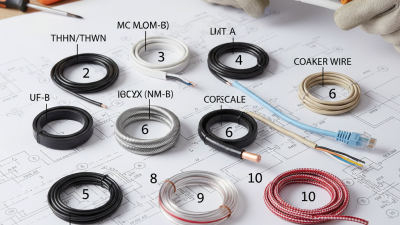
What is Electric Wire and How to Choose the Right Type?
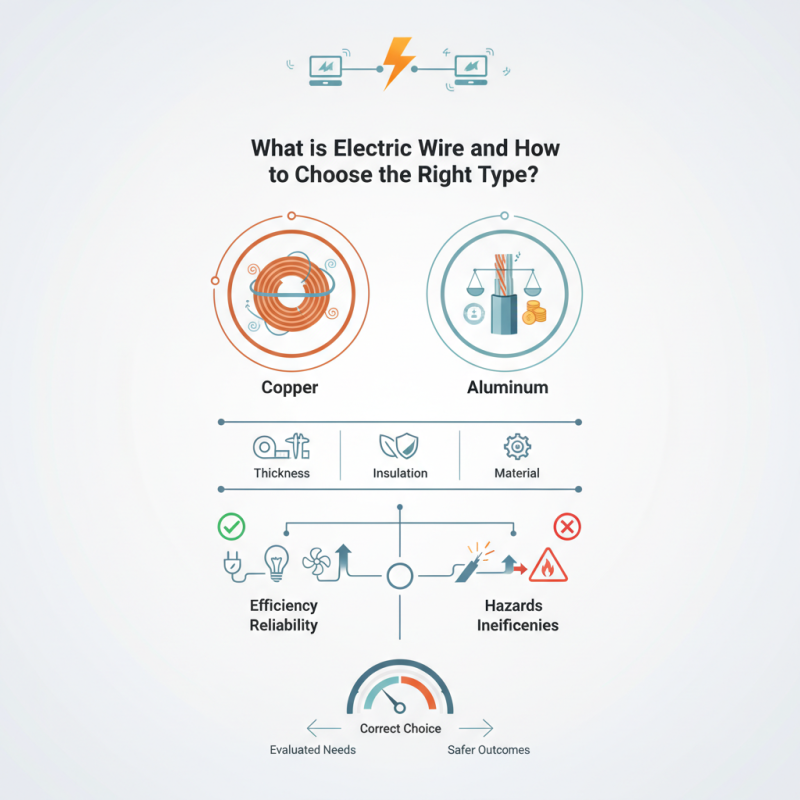
Electric wire is a crucial component in electrical systems, connecting various devices and facilitating the flow of electricity. Selecting the right type is not always straightforward. Factors like material, thickness, and insulation must be considered. Errors in choosing can lead to inefficiencies or hazards.
Understanding electric wire starts with recognizing different types available. Copper and aluminum are common materials, each with unique properties. Copper is highly conductive, while aluminum is lighter and more cost-effective. Knowing these details helps in making informed decisions.
Installation also demands attention to specifications. Different applications require varying wire gauges and insulation types. For example, thicker wires handle more current. However, overestimating needs can lead to unnecessary costs. Evaluating your requirements will lead to better choices and safer outcomes. Embracing these considerations fosters reliability and efficiency in electrical work.
What is Electric Wire and Its Importance in Electrical Systems
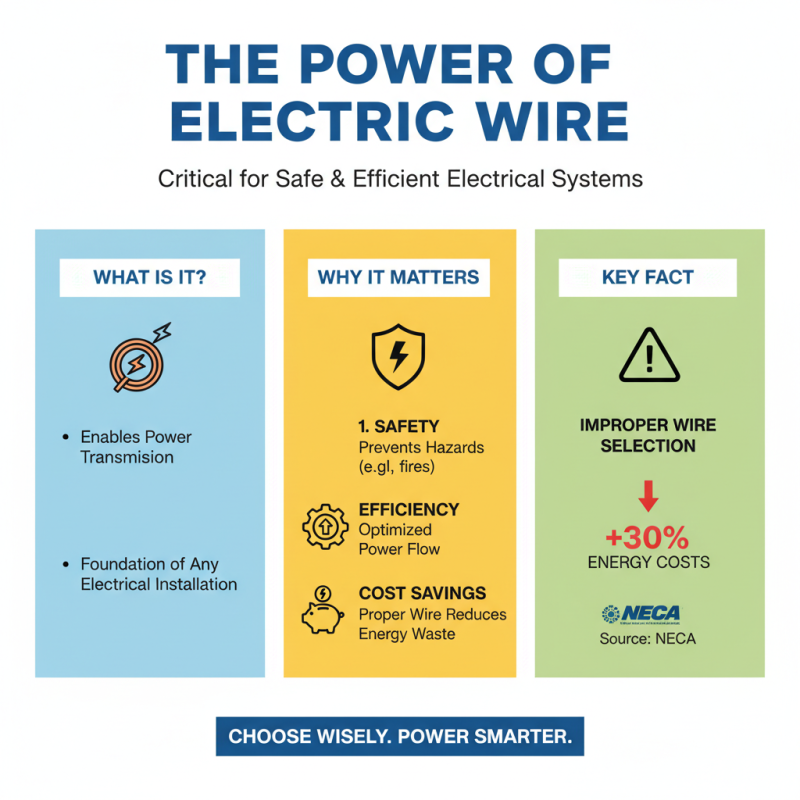
Electric wire is a crucial component in electrical systems, enabling efficient power transmission. Its significance cannot be overstated, as it directly impacts the safety and functionality of any electrical installation. According to the National Electrical Contractors Association, improper wire selection can lead to a 30% increase in energy costs. This underlines the importance of choosing the right type of electric wire based on your specific needs.
When selecting electric wire, consider factors like gauge, insulation type, and application. For instance, a thicker wire (lower gauge) can carry more current but may be less flexible. Conversely, thinner wire is easier to maneuver but has limits on how much electricity it can handle. It’s essential to consult the National Electrical Code (NEC) guidelines for safe and compliant installations.
Tips: Always verify the wire's insulation rating before use. This ensures it can withstand environmental conditions, such as moisture or heat. Also, never override manufacturer's recommendations; this can compromise safety. Remember that, while cheaper options may be tempting, they often lead to higher long-term costs and risks. Choosing quality electric wire helps maintain system reliability and efficiency.
Types of Electric Wires: Insulation and Conductor Materials
When choosing electric wires, understanding insulation and conductor materials is crucial.
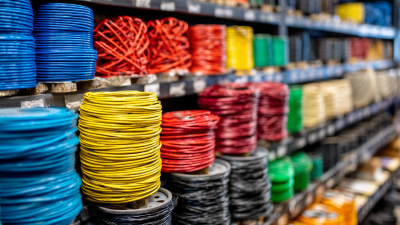
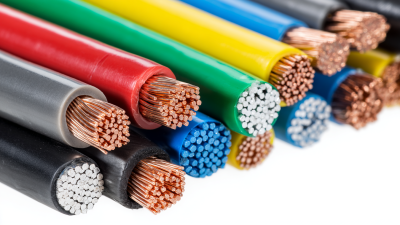
Insulation protects wires from environmental damage and electrical hazards. Common insulation materials include PVC, rubber, and XLPE. Each type offers unique benefits and limitations.
For instance, PVC is affordable and widely used. However, it may not withstand high temperatures.
Rubber insulation has excellent flexibility and can endure extreme conditions. Yet, it might degrade over time in certain environments.
XLPE insulation is another option, providing high thermal resistance but at a higher cost.
Conductor materials also impact wire performance.
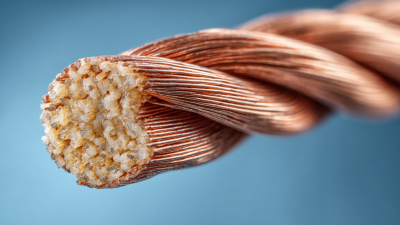
Copper conductors are highly conductive and durable, making them a popular choice. In contrast, aluminum is lighter and more cost-effective but offers lower conductivity.
The decision depends on the specific application and budget.
Reflect on your needs when selecting wires. Sometimes, the best choice is not the most popular one.
An expert's advice can clarify the options. Understanding your project requirements is essential for safety and efficiency.
How to Determine the Right Wire Gauge for Your Needs
Choosing the right wire gauge is crucial for electrical projects. The wire gauge significantly influences how much current a wire can safely conduct. For instance, the American Wire Gauge (AWG) system indicates that lower numbers correspond with thicker wires. A thicker wire can handle more current and dissipate heat more effectively.
Understanding the amperage requirements of your project can guide your wire choice. According to the National Electrical Code (NEC), a 14-gauge wire can typically support up to 15 amps. However, using it for higher amperages can lead to overheating, posing safety risks. It’s also important to consider voltage drop, especially over long distances. The NEC recommends limiting voltage drop to no more than 3% for branch circuits to ensure efficiency.
In practice, many often overlook the impact of environmental factors. A wire's insulation type and its exposure to temperature variations can complicate your choice. For example, wires used in high-heat areas may need to be thicker or insulated differently. Balancing these factors takes experience and knowledge, reflecting the complexities in electrical wiring.
Wire Gauge Comparison for Different Applications
This bar chart illustrates the maximum current capacity in amps for various wire gauges, helping you to choose the right type of electric wire for your needs based on the required current rating.
Key Factors to Consider When Choosing Electric Wire
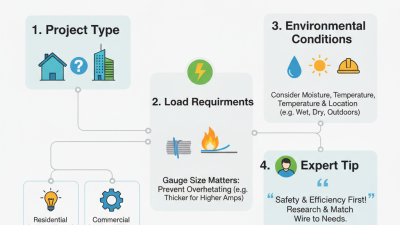
When choosing electric wire, several key factors come into play.
Wire gauge is crucial; it indicates the wire's thickness. Thinner wires are suitable for low-current applications, while thicker wires handle higher loads.
Consider the amperage your project requires to ensure safety and efficiency.
Insulation type is another essential aspect.
PVC insulation is common, but there are alternatives like rubber. Each type has its own heat tolerance and flexibility. Assess the environment where the wire will be used. Outdoor applications may require weather-resistant insulation, while indoor settings can use less robust options.
Consider the voltage rating of the wire. Different applications demand specific voltage levels. Using a wire with an inadequate rating can lead to overheating and potential hazards. Always check local electrical codes.
These regulations provide guidelines on wire types and installation practices. This ensures a safe, compliant, and effective electrical system.
Safety Tips for Handling and Installing Electric Wire
Handling and installing electric wire requires careful attention to safety. Always wear protective gear, such as gloves and goggles, to minimize risk. Electric wires can be hazardous, so working in dry conditions is essential. Avoid tangling wires, which can cause accidents. Additionally, ensuring that you work in a well-lit area can help prevent mistakes.
Before installation, always turn off the power supply at the circuit breaker. This simple step can save lives. When stripping wires, use appropriate tools for the job. Poorly stripped wires can lead to electrical shorts or fires. It's crucial to inspect the wire for any signs of damage or wear prior to use. If in doubt, consult a professional electrician for guidance.
Mark the installation area clearly. This helps in maintaining an organized workspace. Remember to follow local electrical codes during installation. These codes exist for a reason and emphasize safety. Ensure connections are secure, as loose connections can lead to overheating. Reflection on the process is vital. Learning from mistakes or seeking advice enhances safety in future projects.