Why does a Circuit Breaker keep tripping when everything appears normal? The answer usually involves more than a faulty switch. Repeated trips can signal an overloaded circuit, a short circuit, a ground fault, or deteriorating wiring. The panel may look quiet while a damaged appliance heats a connection behind the wall.
A practical inspection begins with careful observation. Notice what was running when the breaker opened. A microwave, space heater, and refrigerator sharing one circuit can exceed its safe capacity. A warm outlet, buzzing sound, flickering light, or sharp burning odor deserves immediate attention. Do not keep resetting the breaker to restore power. That habit can hide a dangerous fault.
Not every trip means the Circuit Breaker itself has failed. Age, moisture, loose terminals, and sensitive AFCI or GFCI protection can also play roles. A reset may seem to solve the problem. It may not.
Reliable troubleshooting separates simple overloads from hazards requiring professional testing. Unplugging portable devices and resetting the breaker once may identify a temporary overload. If it trips again, leave it off and contact a qualified electrician. They can test current flow, insulation, grounding, and panel connections using appropriate instruments. Local electrical codes and manufacturer instructions should guide repairs.
Some explanations remain uncertain without an on-site inspection. That limitation matters. Electrical symptoms can look similar, yet their risks differ significantly. A careful diagnosis protects equipment, property, and people better than guesswork. The safest investigation is methodical, evidence-based, and willing to stop when warning signs appear.
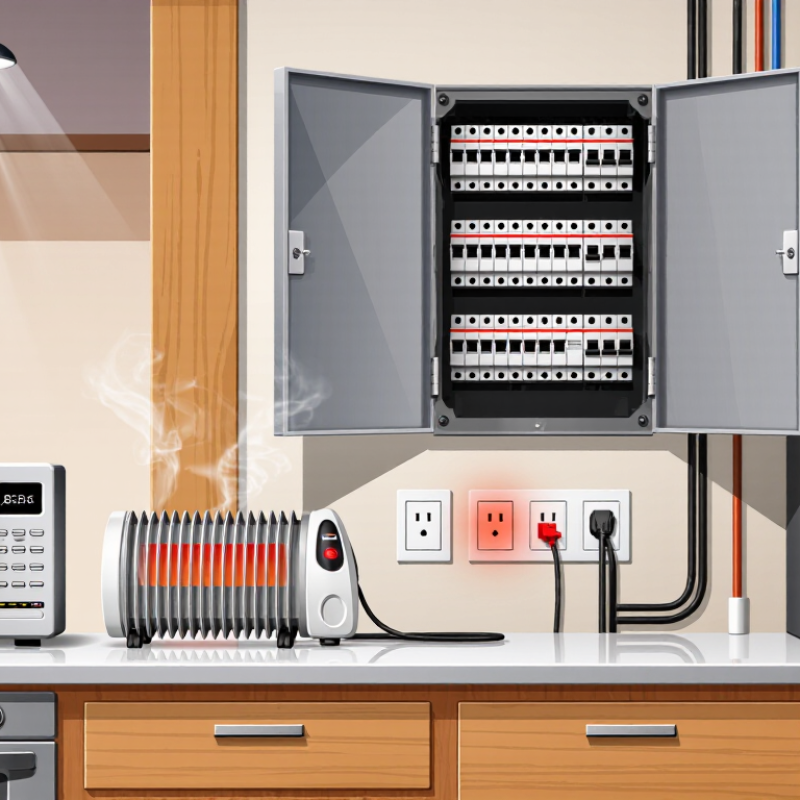
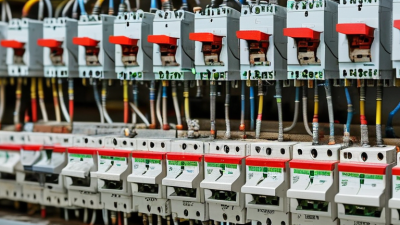
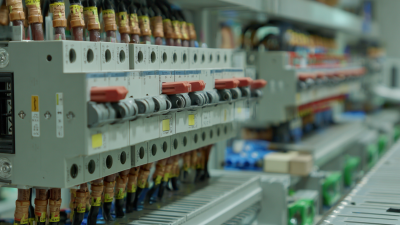
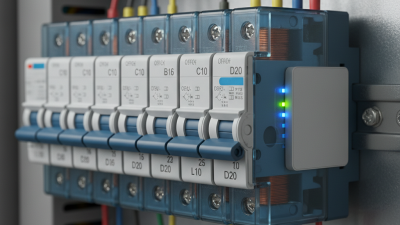
A circuit breaker is a safety switch inside your electrical panel. It monitors the current flowing through a circuit. When the current becomes unsafe, the breaker opens the circuit and stops electricity. This action helps prevent overheated wires, damaged equipment, and possible fires. A breaker usually trips because of an overload, a short circuit, or a ground fault. An overload can happen when a heater, microwave, and vacuum share one circuit. Too much current creates heat. The breaker reacts before the wiring becomes dangerously hot.
A short circuit is more sudden. It may occur when damaged wires touch each other. A ground fault happens when electricity finds an unintended path, sometimes through damp material or a person. The result can be immediate. I have seen a breaker trip repeatedly after someone connected outdoor equipment during wet weather. Resetting it solved nothing. That was the warning, not the repair. A warm panel does not always prove the exact cause, so guessing can be risky. Check whether one appliance causes the trip, but stop if you notice burning smells, sparks, buzzing, or heat.
Tips: Unplug appliances before resetting the breaker once. Move high-power devices to separate circuits when possible. Never hold a breaker in the ON position. If it trips again, leave it off and contact a qualified electrician. 写 the device list down; it can reveal a pattern. Even careful observations may miss hidden wiring damage, so professional testing remains the safer choice.
| Circuit Breaker Function or Trip Cause | What Happens Electrically | Typical Signs | Safe First Action | When Professional Help Is Needed |
|---|---|---|---|---|
| Overload | The circuit carries more current than its wiring and breaker are designed to carry. The breaker’s thermal mechanism heats up and opens the circuit. | The breaker may trip after several minutes, especially when multiple high-power appliances operate at the same time. | Switch off or unplug some appliances, then reset the breaker once after the load is reduced. | The breaker trips repeatedly with ordinary loads, or the circuit cannot support necessary equipment without frequent interruptions. |
| Short Circuit | A low-resistance connection forms between conductors at different electrical potentials, causing a very high current. The magnetic trip mechanism opens the circuit rapidly. | An immediate trip, popping sound, burning odor, visible damage, or a spark may occur when a device is switched on or plugged in. | Disconnect the suspected appliance if it can be done safely. Do not repeatedly reset the breaker. | The breaker trips immediately again, wiring is damaged, or there are signs of smoke, heat, arcing, or burning. |
| Ground Fault | Current flows unintentionally from an energized conductor to ground, often through damaged insulation, moisture, or a person. A ground-fault device detects the imbalance and disconnects power. | Trips may occur near sinks, bathrooms, kitchens, garages, outdoor outlets, or damp areas. | Unplug devices in the affected area and keep electrical equipment away from water. Reset only if the area is dry and there is no visible damage. | The device will not reset, trips again, or moisture and damaged equipment are involved. |
| Arc Fault | An unintended electrical arc occurs because of loose connections, damaged conductors, or deteriorated insulation. An arc-fault protective device interrupts the circuit when hazardous patterns are detected. | Intermittent trips, crackling sounds, flickering lights, warm outlets, or a burning-plastic smell may be present. | Turn off affected equipment and avoid using outlets or cords that appear damaged or loose. | There is flickering, buzzing, discoloration, heat, a burning smell, or repeated unexplained tripping. |
| Faulty Appliance or Cord | A damaged internal component, plug, or cord creates excessive current leakage or a short circuit. | The breaker trips whenever one particular appliance is turned on or connected. | Stop using the appliance and inspect the plug and cord without opening the appliance. | The appliance shows heat damage, a damaged cord, moisture exposure, or continues to cause trips when tested on a suitable circuit. |
| Loose or Damaged Wiring | A loose terminal or deteriorated conductor can create resistance, heat, intermittent contact, or arcing. | Lights may flicker, outlets may feel warm, or the breaker may trip unpredictably. | Stop using the affected outlet or circuit and do not remove electrical-panel covers. | Any wiring repair, panel work, loose outlet, overheating, buzzing, or discoloration requires a qualified electrician. |
| Breaker Failure or Incorrect Rating | A breaker may trip prematurely because of internal wear, heat damage, age, or an incorrect rating for the circuit conductors. | Trips continue after appliances are disconnected, or the breaker feels hot, will not stay reset, or shows visible damage. | Leave the breaker off if it will not remain engaged or shows signs of damage. | Breaker replacement, circuit modification, or any change to the breaker rating must be assessed and completed by a qualified electrician. |
| Breaker’s Protective Role | A circuit breaker automatically interrupts power when current exceeds safe conditions or when a compatible protective device detects a hazardous fault. | The circuit loses power while other circuits may continue operating normally. | Treat a trip as a warning, identify the likely cause, and reset only once after the cause is removed. | Seek professional assistance for repeated trips, unknown causes, electrical damage, or any suspected fire or shock hazard. |