Top 10 Plumbing Pipes Types You Need to Know?
When it comes to plumbing, understanding the different types of plumbing pipes is crucial. Renowned plumbing expert John Smith once stated, "Choosing the right pipe can make or break a plumbing project." This statement rings true, as the selection of plumbing pipes affects durability and safety.
In this guide, we will explore the top 10 types of plumbing pipes you should know. Each type has distinct properties that suit various applications. For instance, PVC pipes are lightweight and resistant to corrosion. However, they may not withstand extreme temperatures like metal pipes.
It's essential to consider your specific plumbing needs. Sometimes, homeowners overlook the significance of material selection. Errors in choosing plumbing pipes can lead to leaks or costly repairs down the line. The right choice can save time and money, so take the time to familiarize yourself with these options.
Types of Plumbing Pipes: An Overview
When it comes to plumbing, understanding the types of pipes is essential. Different materials serve various purposes in a home. Copper, PVC, and PEX are among the most common plumbing pipes. Each type has its own advantages and disadvantages. For example, copper is durable but can be costly. PVC is affordable but less durable in high-temperature scenarios.
Tips: Always consider the environment where the pipe will be used. PEX is flexible, making it easy to install in tight spaces. However, it can be sensitive to UV light. Pay attention to storage and installation instructions.
Choosing the right pipe can impact your plumbing system's efficiency. Many homeowners overlook fact that pipe diameters matter. A smaller pipe can reduce water flow. On the other hand, larger pipes can waste resources. Balancing the size and type of pipes is crucial for a functional plumbing system.
Tips: Consult with a professional if you’re unsure. A poor choice now can lead to costly repairs later. Also, remember that local codes may dictate pipe types. Always check regulations before beginning any project.
Top 10 Plumbing Pipes Types You Need to Know
| Pipe Type |
Material |
Common Uses |
Advantages |
Disadvantages |
| PVC |
Plastic |
Drain, waste, vent |
Lightweight, corrosion-resistant |
Not suitable for hot water |
| CPVC |
Plastic |
Hot and cold water |
Affordable, resistant to corrosion |
Lower pressure ratings than metal |
| Copper |
Metal |
Water supply lines |
Durable, antibacterial properties |
Expensive, can corrode |
| Pex |
Plastic |
Hot and cold water |
Flexible, easy to install |
Susceptible to UV light |
| Galvanized Steel |
Metal |
Water supply, outdoor pipes |
Strong, durable |
Heavy, prone to rust |
| Cast Iron |
Metal |
Sewer and drainage systems |
Very strong, noise-dampening |
Very heavy, prone to corrosion |
| Aluminum |
Metal |
Specialty applications |
Lightweight, corrosion-resistant |
Less durable than other metals |
| Stainless Steel |
Metal |
Water supply, marine applications |
Corrosion-resistant, long-lasting |
High cost |
| Polypropylene |
Plastic |
Water and chemical transport |
Lightweight, chemical resistant |
Not suitable for high temperatures |
Advantages and Disadvantages of Common Pipe Materials
When choosing plumbing pipe materials, it’s essential to consider their advantages and disadvantages.
Copper pipes are durable and resistant to corrosion.
They also have natural antibacterial properties. However, the material can be quite expensive and may require
professional installation. This can add to overall costs for homeowners.
PVC pipes are lightweight and easy to install. They are also resistant
to chemicals, which makes them suitable for various applications. Yet, they are less durable when exposed to
extreme temperatures. This can lead to cracks or leaks over time.
Another popular choice is PEX, known for its flexibility.
This makes installation simpler in tight spaces. However, PEX can degrade under UV light exposure. It is vital
to think about the environment where the pipes will be installed. Each material has its unique strengths and weaknesses.
Evaluation before making a decision is crucial.
Comparative Analysis of Metal vs. Plastic Pipes
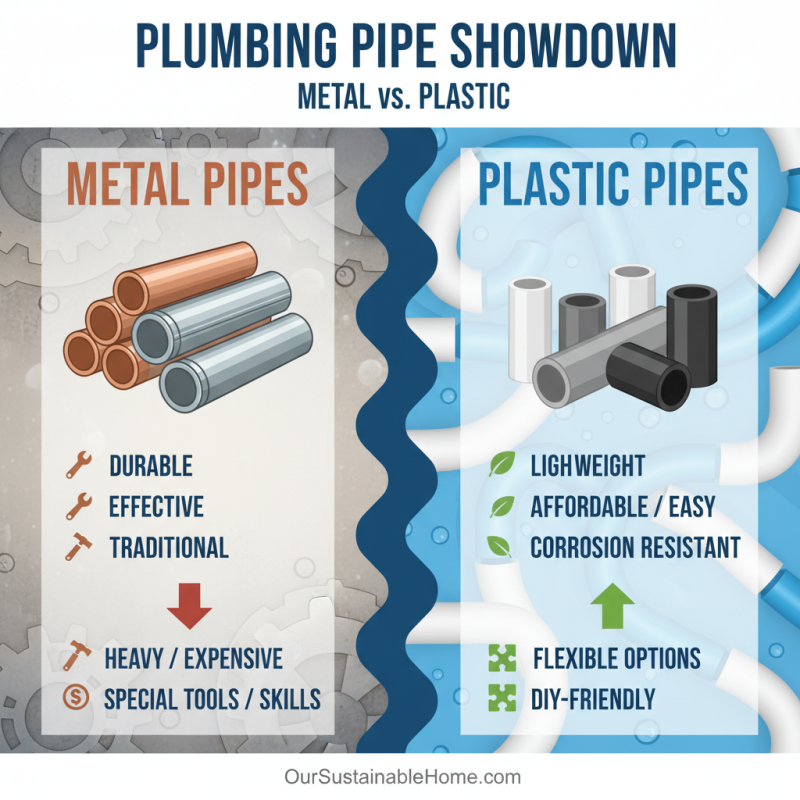
When choosing plumbing pipes, a major decision lies between metal and plastic. Metal pipes, like copper and steel, have been the traditional choice. They are durable and effective. However, they can be heavy and more expensive. Installation might require special tools and skills. Not everyone has access to these resources.
Plastic pipes, such as PVC and PEX, have gained popularity for their lightweight nature. They are relatively easy to install. Many DIY enthusiasts prefer them. Yet, some question their long-term durability. Plastic pipes may react with certain chemicals. This can lead to issues that metal pipes might avoid.
Both types have their pros and cons. Metal provides strength yet adds considerable weight. Plastic is easier to handle, but some worry about its lifespan. There is no one-size-fits-all solution. Homeowners should consider their specific needs carefully. Ultimately, it’s important to weigh the factors.
Choosing the Right Pipe for Your Plumbing Needs
Choosing the right pipe for your plumbing needs is crucial for any home improvement project. With various types of plumbing pipes available, it’s easy to feel overwhelmed. Each pipe type has unique advantages. Knowing them can help you make an informed choice.
PVC pipes are lightweight and easy to install. They work well for drain, waste, and vent systems. However, they can warp under extreme heat. This is a consideration if you're in a hotter climate.
Copper pipes are durable and resistant to bacteria. They are often used for drinking water supply lines. But, they can be expensive and require skilled labor for installation.
Tips: Always consider the local building codes. It's essential to comply with regulations for safety and zoning. Additionally, assess your project needs. Each pipe type has its strengths and weaknesses.
For example, PEX pipes are flexible and simple to work with. Yet, exposure to sunlight can cause them to degrade. Weigh these factors carefully. Your plumbing system's performance hinges on the right choices.
Maintenance Tips for Various Plumbing Pipe Types
Maintaining your plumbing pipes is essential for long-lasting functionality. Different materials require unique care. For example, copper pipes are durable but prone to corrosion. Regularly inspect them for signs of wear. A 2021 study found that 15% of homeowners experience leaks in their copper systems. Immediate repairs can prevent larger issues.
PVC pipes, commonly used for drainage, need attention too. They can crack in extreme temperatures. Homeowners should check connections to avoid leaks. Data shows that improper installation leads to 25% of all plumbing failures. Proper maintenance can increase the lifespan of these pipes significantly.
Galvanized steel pipes can rust over time. This rust can affect water quality. Regular flushing can help reduce buildup. However, if the pipes are over 50 years old, consider an upgrade. Even minor issues can lead to bigger problems down the line. Every homeowner should stay proactive. The cost of neglecting pipe maintenance is often far greater than investing in regular checks.
Top 10 Plumbing Pipe Types