Top 10 Tips for Choosing the Right Electrical Wire?
Choosing the right electrical wire is crucial for any project. The safety and efficiency of your electrical systems depend on it. Numerous options are out there, making the selection process overwhelming.
When picking electrical wire, consider the material, gauge, and insulation type. Copper and aluminum are common options. Copper is more conductive but also more expensive. The gauge affects how much current the wire can handle.
Do not overlook the wire's insulation rating. This determines where and how you can use the wire. Remember, poorly chosen electrical wire can lead to hazards. Assessing your needs is essential. Take time to reflect on your project specifics. Every detail counts in ensuring safety and effectiveness.
Understanding Different Types of Electrical Wires and Their Uses
Choosing the right electrical wire starts with understanding its types.
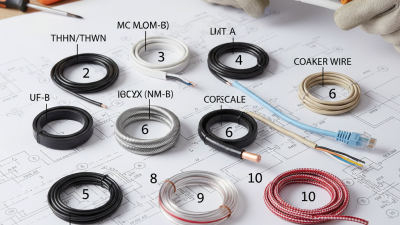
There are various wires for different applications. For example, THHN wire is versatile.
It's often used in commercial buildings. But not all environments are suitable for it. This wire can’t handle moisture well.
Another common type is Romex. It's ideal for indoor residential wiring.
The insulation offers protection, but it’s not meant for outdoor use. Make sure you know where you'll use the wire.
Outdoor projects require wires with better weather resistance.
NM cable can fail during harsh conditions.
Consider wire gauge too. A lower gauge means thicker wire.
For high-power applications, thicker wire is vital. Thin wires can overheat, causing fires. This should not be overlooked.
Think critically about your project’s needs. Sometimes, people choose wires based on price alone.
This could lead to unsafe situations. Quality matters.
Identifying Wire Gauge Sizes and Their Importance in Electrical Projects
Choosing the right wire gauge is crucial in electrical projects. The wire gauge determines how much current can safely pass through it. A thicker wire has a lower gauge number and can carry more current. According to the National Electrical Code (NEC), using the appropriate wire gauge prevents overheating and potential electrical fires.
Many DIY enthusiasts underestimate the importance of wire sizes. For instance, a 14-gauge wire can handle up to 15 amps, while a 12-gauge wire can handle 20 amps. Selecting the wrong gauge can lead to circuit overload. This mistake may result in melted insulation, or worse, electrical shock. Understanding these limits is key to a safe installation.
Some projects may require longer runs of wire. This length increases resistance, impacting performance. A smaller gauge might be necessary in these cases. However, errors often arise from bad assumptions about wire sizing. It's essential to consult professional guidelines and verify your choices to ensure safety and efficiency.
Evaluating Insulation Materials for Safety and Durability
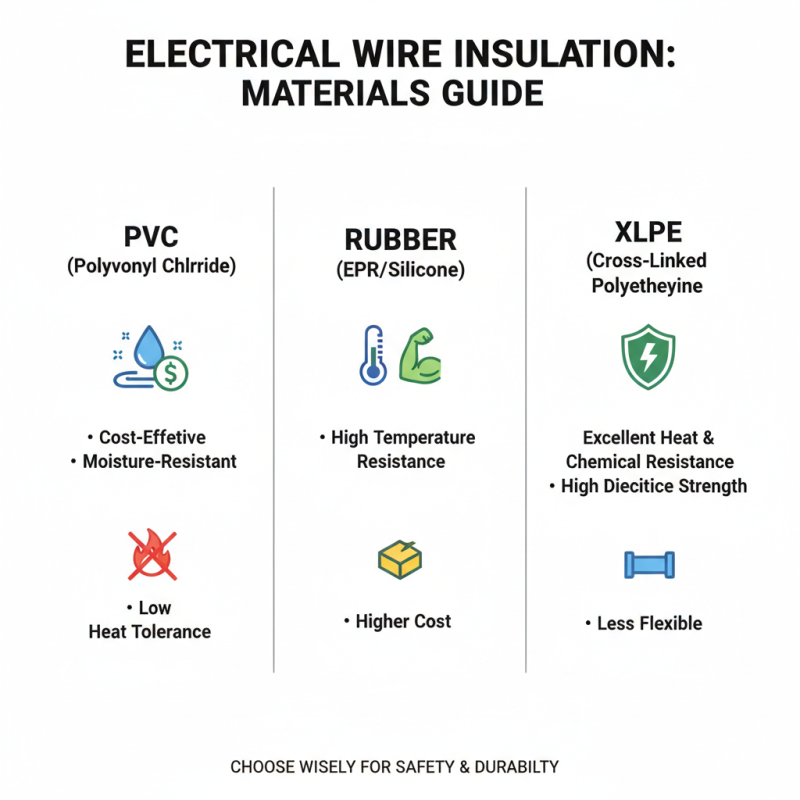
When choosing electrical wire, insulation materials play a crucial role in safety and durability. Common options include PVC, rubber, and cross-linked polyethylene. Each type offers unique advantages and disadvantages. For example, PVC is cost-effective and resistant to moisture. However, it may not endure high temperatures as well as rubber.
Understanding the environment where the wire will be used is essential. Will it be in a damp area or exposed to extreme heat? This choice can significantly affect performance. Choosing a material that suits the conditions is vital. Often, people overlook the specific needs of their projects, which can lead to problems.
Consider the wire's lifespan. Cheap insulation might save money upfront but cause issues later. The right insulation can prevent accidents and ensure longevity. Sometimes, it’s easy to choose based on price alone. However, reflecting on quality can lead to better long-term satisfaction. Safety should always be a top priority when selecting electrical wires.
Considering Voltage Ratings and Their Impact on Wire Selection
When choosing electrical wire, voltage ratings are critical. They determine how much voltage a wire can safely carry. Insufficient voltage ratings can lead to overheating and potential hazards. According to the National Electrical Code (NEC), using an incorrect wire can result in serious safety risks. Testing shows that wires rated for lower voltage can fail under unexpected loads.
Tip: Always match the wire’s voltage rating with your project requirements. For example, 14-gauge wire is suitable for up to 15 amps at 120 volts. This ensures optimal safety and performance in residential wiring. If your application involves higher voltages, consider larger gauge wires.
Tip: Inspect the insulation type. THHN and THWN wires have specific ratings and environmental protections. Choose wire insulation based on where it will be installed. For example, underground installations require more durable materials. This choice can impact the longevity of your electrical systems.
Understanding voltage ratings is not just about compliance. It’s about ensuring a safe and efficient electrical system. Misjudging these details can complicate installation. Therefore, reevaluate your wire choices often.
Top 10 Tips for Choosing the Right Electrical Wire
| Tip No. |
Tip |
Voltage Rating |
Wire Gauge |
Application |
| 1 |
Identify the Voltage Requirements |
120V - 240V |
12 AWG |
Residential Wiring |
| 2 |
Consider the Environment |
230V - 400V |
10 AWG |
Outdoor Use |
| 3 |
Match Insulation Type to Application |
600V |
14 AWG |
Lighting Circuits |
| 4 |
Understand Amperage Requirements |
120V - 240V |
8 AWG |
Heavy Appliances |
| 5 |
Choose the Right Wire Length |
120V |
12 AWG |
Long Runs |
| 6 |
Consider Future Needs |
480V |
6 AWG |
Commercial Wiring |
| 7 |
Be Aware of Regulatory Standards |
240V |
10 AWG |
Industrial Use |
| 8 |
Select Appropriate Conductor Material |
600V |
14 AWG |
Signal Wiring |
| 9 |
Assess Voltage Drop for Long Runs |
120V |
8 AWG |
Distance Projects |
| 10 |
Consult with a Professional if Unsure |
Varies |
Varies |
All Applications |
Matching Wire Types to Specific Applications and Environments
Choosing the right electrical wire is critical for
safety and efficiency. Different applications require specific wire types. For example, building
codes often specify particular gauges based on electrical loads. A 2022 industry report noted
that using the wrong gauge can lead to overheating in 30% of applications.
This risk emphasizes the need for careful matching of wire types to environments.
Consider environments exposed to moisture or chemicals. For instance,
THHN wire is suitable for dry locations but not for wet or corrosive areas.
The National Electrical Code outlines wire ratings for various conditions,
but many overlook these guidelines. Failure to adhere can result in 50%
increased chances of failure during extreme weather. Always assess where the wire will be used
before selecting it.
Choosing low-voltage vs.
high-voltage wire is essential based on the
project needs. A study found that incorrect voltage rating was a common mistake in DIY projects.
It accounted for 25% of electrical failures. Ensuring that
the wire type fits the application not only promotes longevity but also enhances safety.
A poor choice could lead to fire hazards, leaving behind costly damages.