10 Essential Tips for Choosing the Best Alarm Cable for Your Security System
When it comes to securing your property, selecting the right components for your security system is paramount. One critical element that often gets overlooked is the alarm cable. According to a recent report by the Security Industry Association (SIA), nearly 30% of security system failures can be attributed to inadequate or substandard wiring. This statistic highlights the importance of not only choosing the best security devices but also ensuring that the connections between them are reliable and effective.
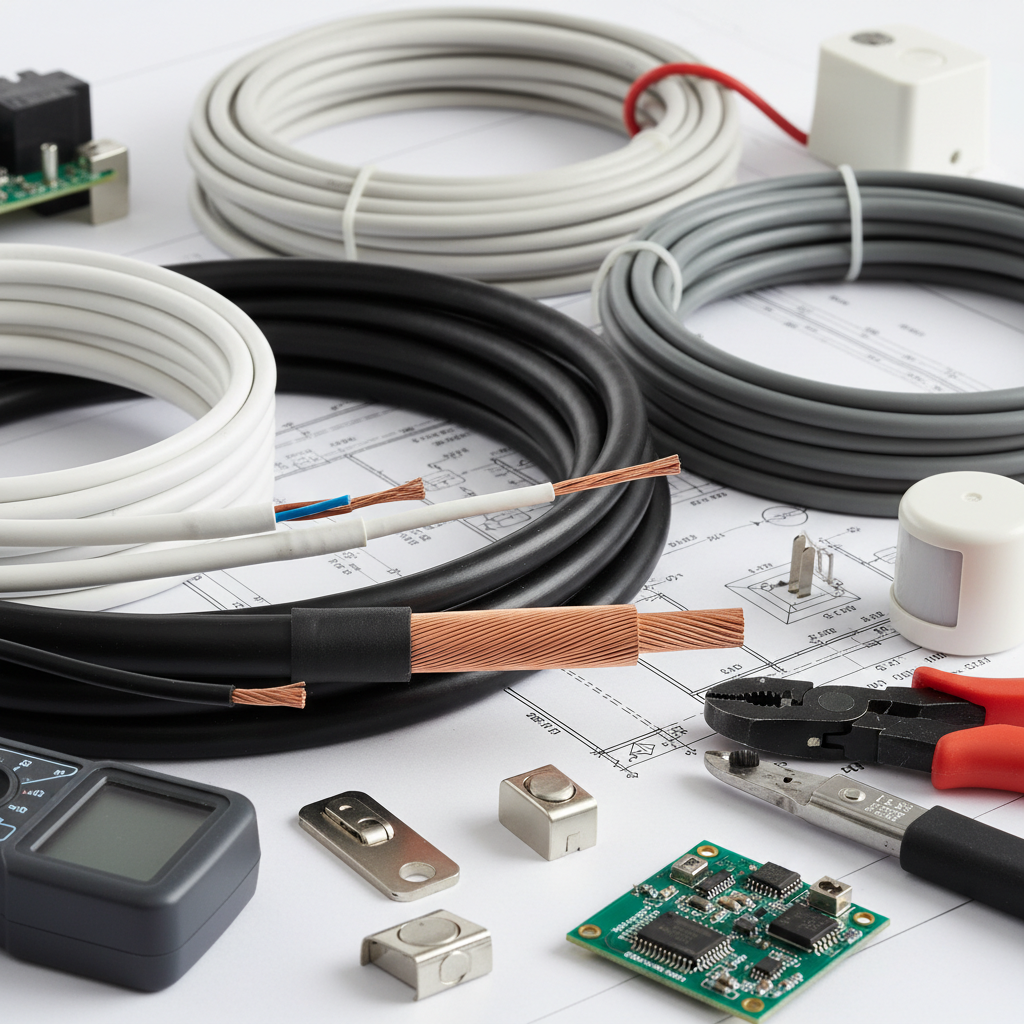
Alarm cables serve as the backbone of your security infrastructure, transmitting signals between sensors, control panels, and alarms. With the increasing demand for security solutions, driven by rising crime rates and heightened awareness around safety, understanding the types and specifications of alarm cables is essential for both residential and commercial applications. In fact, a study by MarketsandMarkets suggests that the global security systems market is projected to reach $350 billion by 2025, emphasizing the need for proper installation and quality materials in security setups.
In this guide, we present 10 essential tips for selecting the best alarm cable for your security system. By considering factors such as cable type, gauge, insulation, and environmental considerations, you can make an informed decision that will enhance the reliability and effectiveness of your security measures.
Key Factors to Consider When Selecting Alarm Cable Types for Maximum Security Performance
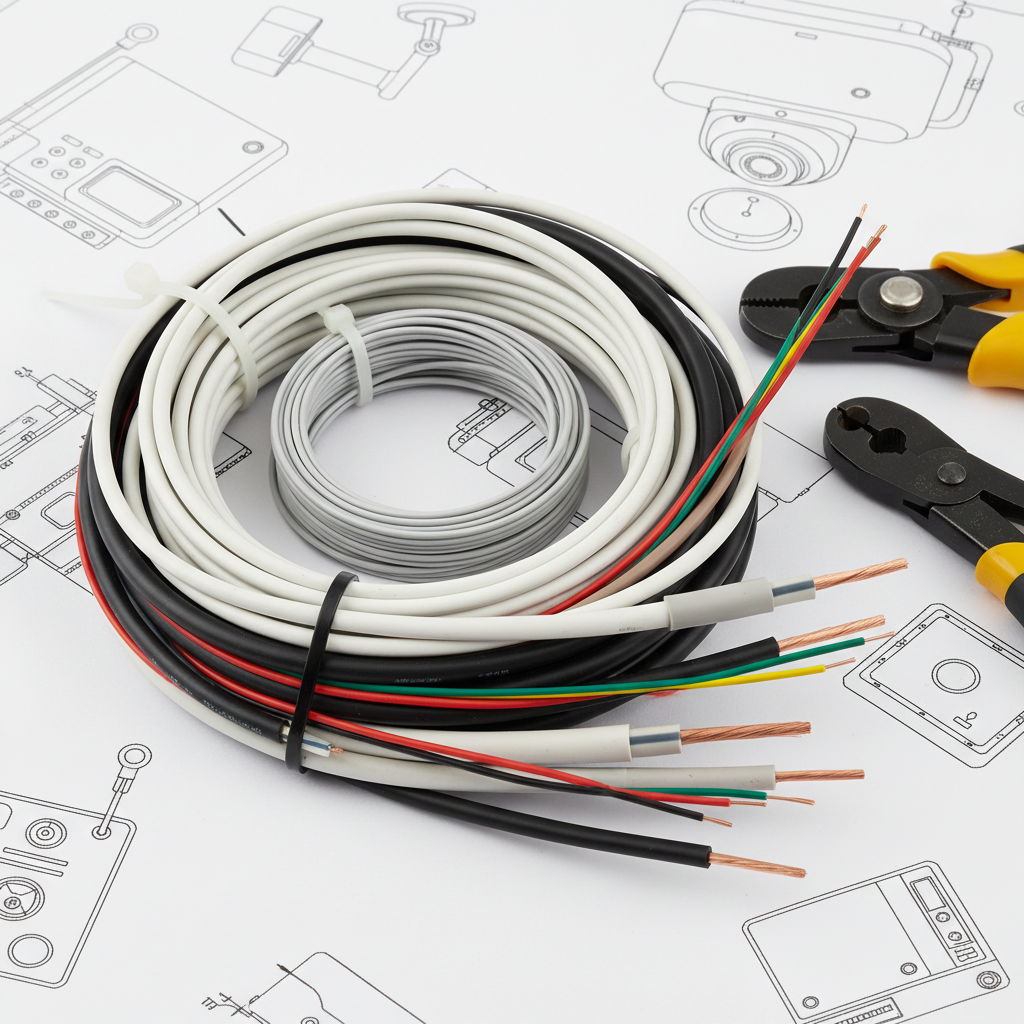
When selecting alarm cable types for maximum security performance, several key factors must be considered. Firstly, the cable's conductor size significantly impacts both its resistance and overall signal quality. Generally, thicker cables provide lower resistance, allowing for more efficient signal transmission. Therefore, choose cables with an appropriate gauge based on the distance between the alarm system and the sensors.
Another critical factor is the insulation material. Alarm cables are often exposed to various environmental conditions, making it essential to select cables with durable, weather-resistant insulation. The two most common types of insulation are PVC and XLPE, each offering distinct advantages in terms of flexibility and temperature resistance.
Additionally, consider the cable's shielding, as a shielded cable helps reduce electromagnetic interference, ensuring that your security system operates effectively in areas with high electrical noise.
Understanding the Importance of Cable Gauge in Optimizing Signal Integrity in Security Systems
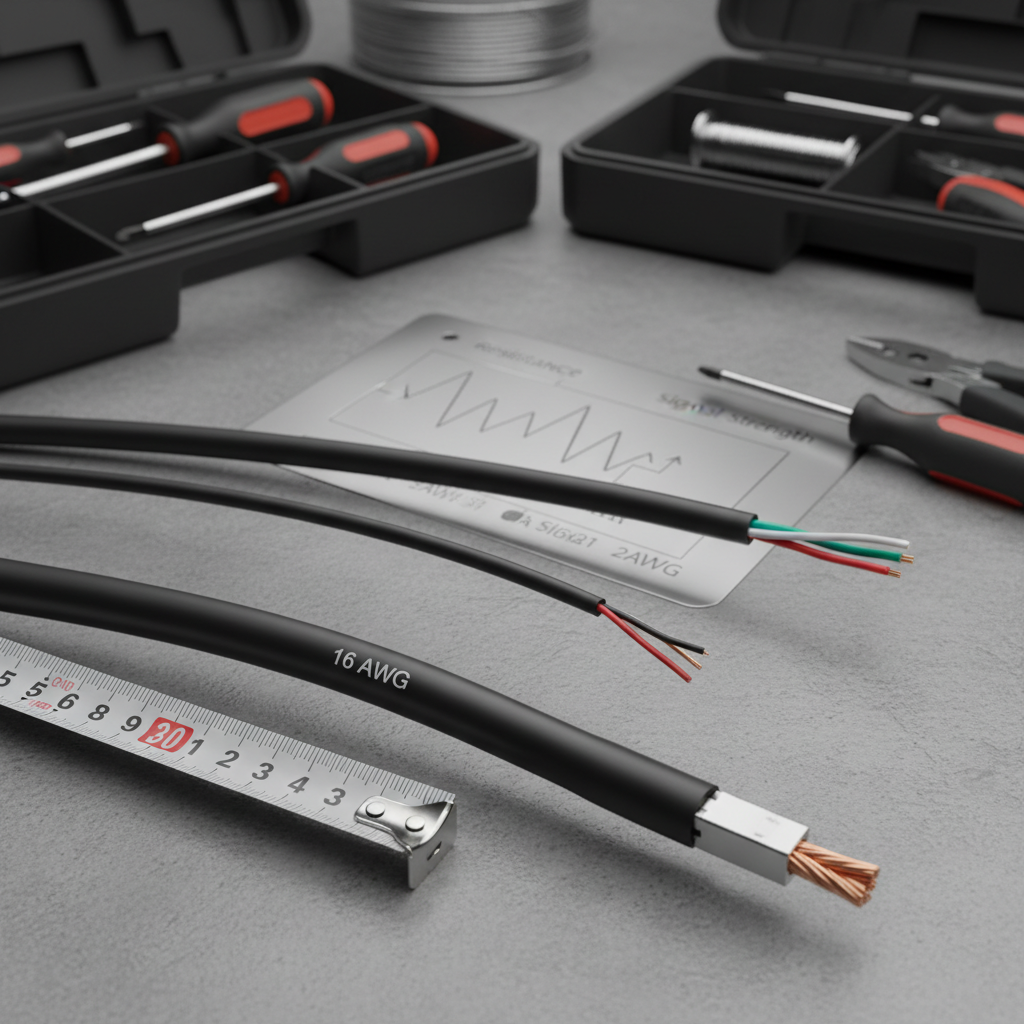
When it comes to selecting the best alarm cable for your security system, understanding cable gauge is crucial. The gauge of a wire affects its resistance, which in turn influences the signal strength transmitted across the cable. According to the National Electrical Code (NEC), a lower gauge number indicates a thicker wire, which reduces resistance and improves performance, especially over longer distances. For instance, a 16 AWG cable is commonly recommended for most security applications, providing a balance of flexibility and strength needed to maintain signal integrity.
Industry data suggests that using the appropriate wire gauge can significantly enhance signal clarity and reduce the risks of false alarms. A study by the Electronic Security Association indicates that issues with alarm signal degradation due to inadequate cable specifications account for roughly 30% of security system failures. Therefore, ensuring that your cable meets the necessary gauge requirements is essential. For installations exceeding 500 feet, opting for a thicker gauge, such as 14 AWG, can help mitigate voltage drop and maintain reliable communication between devices, effectively optimizing your security system’s performance.
Analyzing the Impact of Shielding on Reducing Interference in Alarm Cable Designs
When selecting an alarm cable for a security system, one of the most crucial factors to consider is the design of the shielding. Shielding plays a significant role in minimizing electromagnetic interference, which can disrupt the performance of alarm systems. High-quality alarm cables utilize different shielding methods, such as foil and braid, to create a barrier against unwanted signals from external sources. This is particularly important in environments where multiple electronic devices operate in close proximity, as interference can lead to false alarms or system failures.
The effectiveness of shielding is directly linked to the material and construction of the cable. For instance, cables with 100% coverage shielding provide superior protection by preventing noise from entering the signal pathway. Additionally, the placement and grounding of the shield are critical; a well-grounded shield can dissipate interference more effectively, ensuring reliable operation. Therefore, when choosing an alarm cable, it is essential to analyze the shielding specifications to ensure that the selected cable can effectively reduce interference and enhance the overall performance of your security system.
Impact of Shielding on Interference in Alarm Cables
This chart illustrates the effectiveness of different shielding methods in reducing interference in alarm cable designs. The data is based on measurements of signal integrity in dB for various cable types.
Evaluating Temperature Ratings for Alarm Cables to Ensure Reliability in Various Environments
When selecting the appropriate alarm cable for security systems, evaluating temperature ratings is crucial to ensure the reliability and effectiveness of the installation across various environments. According to the National Fire Protection Association (NFPA), cables used in alarm systems should be able to withstand significant temperature fluctuations, ranging from -40°F to 158°F (-40°C to 70°C), without compromising performance. This is particularly important for installations in outdoor settings or areas with extreme climate conditions. Utilizing cables with inadequate temperature ratings can lead to insulation breakdown or performance degradation, which poses security risks.
Moreover, industry reports, such as those from the International Electrotechnical Commission (IEC), highlight that alarm cables specifically designed for higher temperature resilience can enhance the longevity and reliability of security systems. These advanced cables are often engineered with materials like PVC or LSZH (low smoke zero halogen) compounds that maintain structural integrity in challenging temperatures. Choosing the right alarm cable not only mitigates risks associated with environmental factors but also optimizes the overall effectiveness of your security infrastructure.
Comparative Review of Indoor vs. Outdoor Alarm Cable Specifications for Enhanced Security Solutions
When it comes to choosing the right alarm cable for your security system, understanding the specifications for indoor and outdoor use is crucial. Indoor alarm cables typically offer flexibility and ease of installation, ideal for home environments where aesthetics and concealment may be a concern. They often come in a variety of colors to blend in with interior decor. Conversely, outdoor alarm cables are designed to withstand harsher conditions, featuring weather-resistant properties and reinforced shielding to ensure durability against the elements.
Here are some essential tips to consider: First, always check the cable's insulation material. For outdoor installations, look for cables with robust insulation that can endure moisture and temperature fluctuations. Secondly, consider the gauge of the wire; heavier gauges are less susceptible to interference and signal loss, which is vital for effective alarm performance. Lastly, ensure that the length of the cable meets your installation needs without compromising signal integrity, particularly for outdoor applications where the distance might be greater.
By carefully evaluating both indoor and outdoor alarm cable specifications, you can significantly enhance the security of your property. Each environment requires specific features to ensure optimal performance, ultimately making your security system more effective and reliable.
10 Essential Tips for Choosing the Best Alarm Cable for Your Security System
| Tip |
Indoor Alarm Cable Specifications |
Outdoor Alarm Cable Specifications |
| 1. Consider Wire Gauge |
18-22 AWG typical |
16-20 AWG recommended |
| 2. Check Insulation Material |
PVC insulated |
UV resistant PVC |
| 3. Review Maximum Length |
Up to 300 feet |
Up to 500 feet |
| 4. Evaluate Environmental Ratings |
Non-water resistant |
Water and weatherproof |
| 5. Check for Shielding |
Unshielded |
Shielded for noise reduction |
| 6. Compatibility with Connectors |
Typical alarm connectors |
Compatible with outdoor connectors |
| 7. Consider Stranding |
Solid core |
Stranded for flexibility |
| 8. Look for Marking Standards |
UL listed |
UL and outdoor rated |
| 9. Consider Cost |
Typically lower cost |
Moderately higher cost |
| 10. Check Warranty Length |
1 year |
5 years |