Top Tips for Choosing the Right Washing Machine Faucet?
Choosing the right washing machine faucet can greatly impact your laundry experience. Selecting a faucet that suits your needs requires careful consideration. Many homeowners overlook this essential component, thinking it plays a minor role. However, a well-chosen washing machine faucet can enhance efficiency and prevent leaks.
When browsing options, it's crucial to consider your washing machine's specifications. Not all faucets fit every model. Some might require specific measurements or connectors. Research the best materials and finishes, as quality affects durability. A stainless steel faucet often proves durable and resistant to corrosion.
Pay attention to features like flow rate and ease of use. A simple twist or lever handle can make a difference. Weigh the pros and cons before making a decision. Investing time in selecting the perfect washing machine faucet can save you trouble in the long run. Take a moment to reflect on your choices and prioritize what truly matters for your laundry setup.
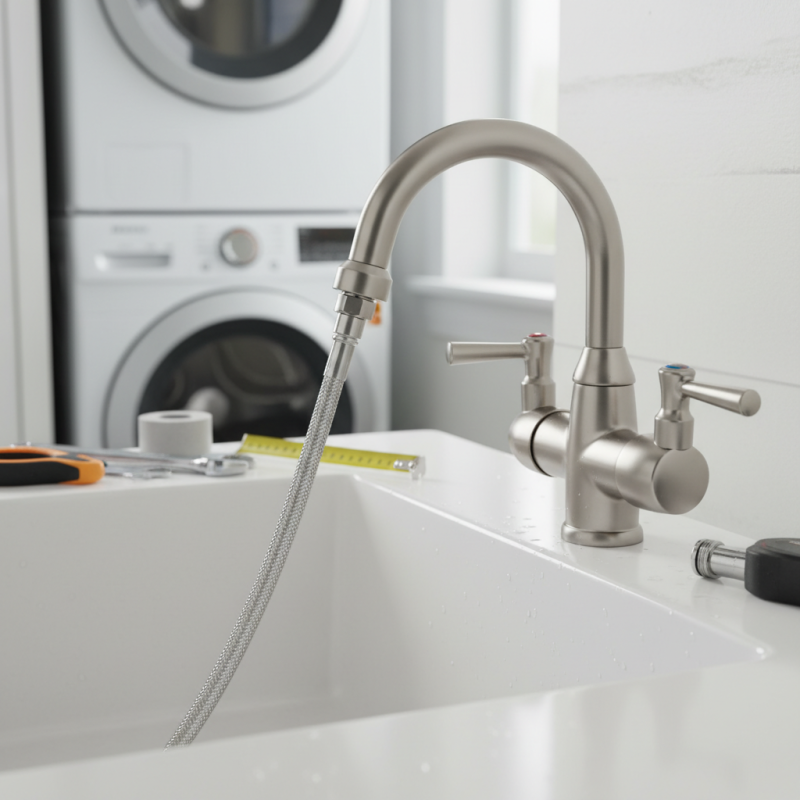
Understanding the Importance of a Quality Washing Machine Faucet
When it comes to selecting a washing machine faucet, quality is paramount. A robust faucet ensures a reliable water supply, preventing leaks and other issues. A malfunctioning faucet can lead to water waste or damage. Remember, low-quality components often compromise the entire system.
A quality washing machine faucet is designed for heavy use. It should withstand constant pressure and fluctuating temperatures. Look for durable materials that resist corrosion and wear. An easy-to-use lever or knob is essential for convenient operation. Pay attention to installation compatibility to avoid future headaches. Guidelines may not always cover your specific needs, so consider a comprehensive approach.
While it's tempting to cut costs, skimping now can lead to costly repairs later. Think about the long-term ramifications of your choice. Investing in a quality faucet could save you time and money down the line. However, not all faucets will meet your expectations. Research extensively, read user reviews, and consult experts when in doubt. Prioritizing quality will make a significant difference in your laundry experience.
Top Tips for Choosing the Right Washing Machine Faucet
| Feature |
Importance |
Tips for Selection |
| Material Quality |
Durability and longevity of the faucet |
Choose faucets made of brass or stainless steel |
| Connection Type |
Ensures compatibility with washing machine hoses |
Check if the faucet has a standard hose thread |
| Flow Rate |
Affects washing efficiency |
Look for faucets with optimal flow rates for washing |
| Ease of Installation |
Saves time and effort during setup |
Select faucets that come with easy-to-follow instructions |
| Maintenance |
Influences long-term performance |
Choose models that require minimal upkeep |
Key Features to Consider When Choosing a Washing Machine Faucet
When choosing a washing machine faucet, it's important to consider several crucial features. The faucet's size should match your washer's requirements. A proper fit prevents leaks and ensures efficient water flow. Look for faucets made with durable materials. Stainless steel or brass options resist corrosion and prolong the faucet's life.
Tip: Check the faucet's height and reach. A higher faucet makes filling buckets easier. The reach gives flexibility when connecting hoses. You want to avoid awkward angles during setup. It's an annoying mistake to overlook.
Pay attention to the installation type. Some faucets require professional installation, while others are simple enough for DIY enthusiasts. Incorrect installation can lead to costly repairs. Always review the specifications carefully. A mismatch can create frustrating delays in laundry day routines.
Don't forget about additional features. Faucets with swivel capabilities offer convenience. They can easily accommodate various tasks. However, not all users need this feature. Weigh your requirements before making a decision. This reflection can save you time and money later on.
Material Types and Their Impact on Durability and Performance
When selecting a washing machine faucet, the material is crucial. Different materials can greatly impact the durability and overall performance of your faucet. For instance, brass faucets are known for their strength and longevity. They resist corrosion and can withstand high water pressure. This makes them a popular choice for many homeowners.
On the other hand, plastic faucets are lightweight and typically more affordable. However, they may not hold up as well over time. They can crack or wear out, especially in areas with hard water. Stainless steel is another option, offering a balance of durability and aesthetic appeal. It is resistant to rust and stains but can be more expensive upfront.
Choosing the right material involves weighing the pros and cons. Consider your water quality and how often you use the faucet. Reflect on whether you prefer economy or longevity. Sometimes, less expensive options leave you needing replacements sooner than expected. Always think carefully about your priorities.
Industry Standards for Flow Rate and Water Pressure Requirements
When selecting a washing machine faucet, understanding flow rate and water pressure is essential. The industry standard for flow rate typically ranges between 1.5 to 2.5 gallons per minute (GPM). This volume ensures efficient washing while preventing potential damage to plumbing systems. Insufficient flow can lead to ineffective cleaning, leaving clothes unwashed.
Water pressure is another critical metric. Most household systems operate between 40 to 60 psi (pounds per square inch). Opting for a faucet that suits these parameters is crucial. If the pressure drops below 40 psi, you might encounter issues with the machine's performance.
Additionally, choosing a faucet with adjustable settings can offer flexibility. Certain models provide varying flow rates, accommodating different washing needs. However, not all adjustable faucets perform reliably at lower settings. It is important to consult with professional guidelines and plumbing codes in your area to ensure compliance and performance. Remember, the right faucet contributes significantly to the efficiency and longevity of your washing machine.
Top Tips for Choosing the Right Washing Machine Faucet
This chart illustrates the industry standards for flow rate and water pressure requirements for washing machine faucets. Understanding these standards can help you choose the right faucet for optimal performance.
Common Installation Issues and How to Avoid Them
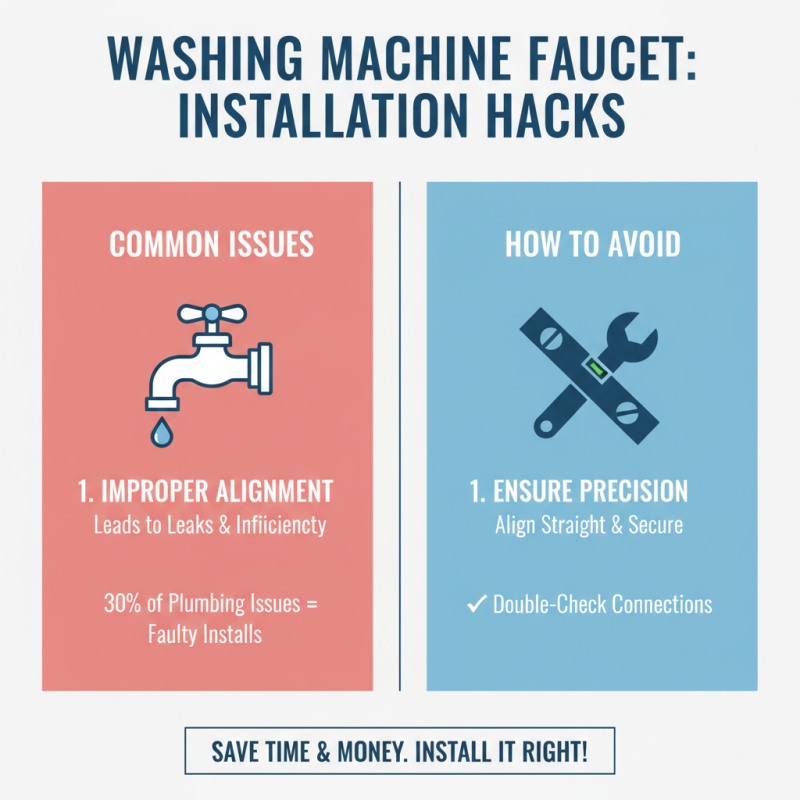
When installing a washing machine faucet, common issues often arise that can lead to leaks or inefficiencies. One frequent problem is improper alignment. Ensuring that the faucet is straight and secure is crucial. According to industry reports, nearly 30% of plumbing issues stem from faulty installations. This emphasizes the need for precision during the setup process.
Another common issue is selecting the wrong size or type of faucet. For instance, gripping the threads tightly can prevent leaks, but over-tightening can also damage the fittings. Studies reveal that almost 20% of households experience water wastage due to poor faucet choices. It's essential to choose a faucet that matches your washing machine's specifications, as these details greatly influence performance and longevity.
Moreover, never underestimate the importance of using quality materials. While some may opt for cheaper fixtures, this can result in more repairs over time. In fact, data suggests that high-quality installations can extend faucet life by an average of 10 years. Inadequate sealing is another pitfall, which often leads to unpleasant surprises, such as unexpected flooding or mold growth. Paying careful attention to installation details can help avoid these costly mistakes.