How to Choose the Right Basin Faucet for Your Bathroom?
Choosing the right Basin Faucet can change how a bathroom looks, feels, and functions every day. The decision involves more than matching a finish to the mirror. Spout height, reach, handle position, water pressure, and basin depth all affect comfort. A faucet that looks elegant in a showroom may splash badly in a shallow basin. That detail is easy to miss.
This guide examines practical choices through real bathroom considerations. It explains how to measure the basin, check mounting holes, and compare faucet types before buying. Single-handle models can simplify temperature control, while widespread designs may offer greater spacing flexibility. Wall-mounted options create a clean appearance, but they require accurate plumbing preparation. Small errors become expensive later. Finish durability also matters, especially in bathrooms with hard water, frequent cleaning, or heavy family use.
Reliable selection should balance design, performance, installation requirements, and long-term maintenance. Product specifications, manufacturer instructions, warranty terms, and recognized plumbing requirements deserve careful attention. Yet no recommendation fits every room. A compact guest bathroom may need a short spout and simple controls. A family bathroom may benefit from a sturdy construction and easy cleaning. Personal experience often reveals issues that product photographs hide, such as awkward handle movement or water collecting around the base. Some choices remain subjective. The best Basin Faucet is not always the most expensive one; it is the model that suits the basin, users, plumbing, and daily habits. That takes thought.
What Is a Basin Faucet and How Does It Work?
How to Choose the Right Basin Faucet for Your Bathroom?
A basin faucet controls water from the supply pipe to the washbasin. Inside, a cartridge or ceramic disc opens and closes the flow. Turning the handle also adjusts temperature by balancing hot and cold water. The aerator mixes air into the stream, creating a softer flow with less splashing. It looks simple. The mechanism is not.
The U.S. Environmental Protection Agency’s WaterSense Specification for Lavatory Faucets limits certified models to 1.5 gallons per minute at 60 psi. That is at least 30% less flow than the common 2.2-gpm standard. The EPA also reports that efficient bathroom faucets can save water without reducing normal washing performance. In practice, check the aerator first. A weak stream may indicate low pressure, mineral buildup, or an unsuitable flow restrictor.
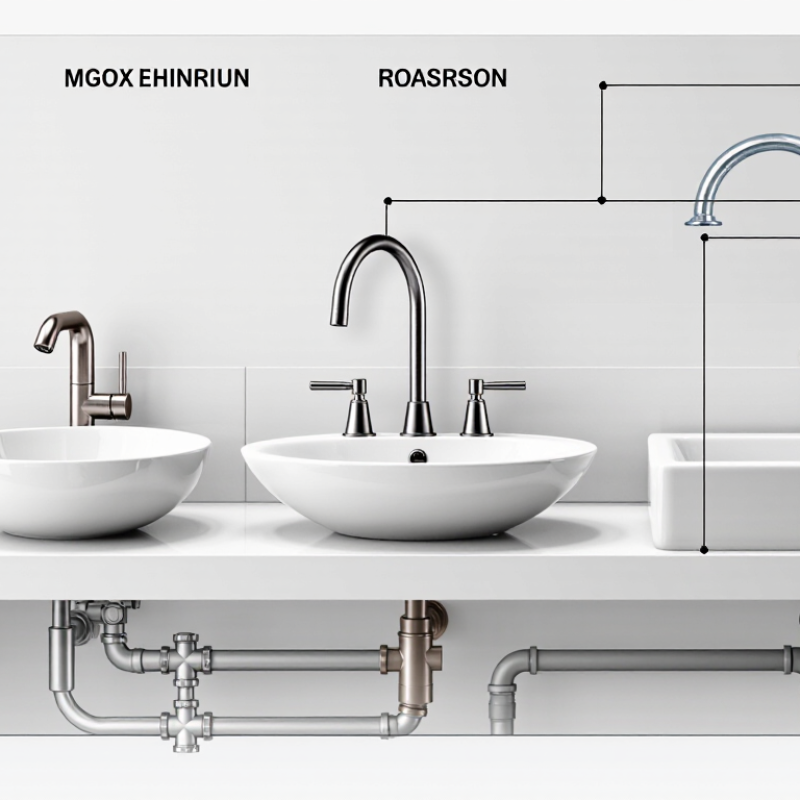
Measure the basin’s mounting holes and spout reach before choosing a faucet. A short spout may leave water near the rim. A long spout can wet the counter. Match the faucet height with the basin depth, especially when washing hands or filling a small container. Single-handle designs simplify temperature control, while separate handles offer finer adjustment. I still test the handle twice. Small stiffness often becomes a daily annoyance. Choose corrosion-resistant materials and accessible replacement parts, but do not assume the most expensive option is automatically more reliable.
Which Materials and Finishes Offer the Best Durability?
How to Choose the Right Basin Faucet for Your Bathroom?
A durable basin faucet starts with its internal material, not its color. Solid brass offers good strength and resists cracking under daily use. Stainless steel is another reliable choice, especially in humid bathrooms. Check the waterway, too. Some inexpensive faucets use weaker mixed metals inside. They may look attractive but can develop leaks earlier. A ceramic cartridge usually provides smoother control and better resistance to repeated opening and closing. It is not indestructible, though. Hard water and poor installation can still shorten its service life.
The finish also affects long-term performance. Chrome is easy to clean and often handles frequent wiping well. Brushed nickel can hide fingerprints and small water marks. PVD finishes are generally more resistant to peeling and scratching than basic painted coatings. Matte black looks modern, but harsh cleaners may damage its surface. I would avoid judging durability by appearance alone. A heavy faucet is not automatically better, and a premium finish cannot repair a weak internal body.
Tips: Ask about the body material, cartridge type, and finish process before buying. Wipe the faucet with a soft cloth after use. Avoid abrasive pads, bleach, and acidic cleaners. If your water is very hard, clean mineral deposits gently and regularly. Small maintenance habits matter. Even the best finish needs care.
How to Choose the Right Basin Faucet for Your Bathroom?
Which Materials and Finishes Offer the Best Durability?
Stainless steel with a PVD finish and solid brass with a PVD finish generally offer the strongest combination of corrosion resistance, surface hardness, and long-term finish stability. Chrome-plated zinc alloy is more affordable but is typically more vulnerable to coating damage and corrosion over time. The durability index is an indicative comparison based on common material and finish properties, rated from 1 to 10.
What Water-Saving and Maintenance Features Should You Consider?
A basin faucet should save water without making daily washing frustrating. Look for an aerator that mixes air into the stream while keeping the flow comfortable. A rate near 4–5 litres per minute can reduce waste, but local water standards differ. Check the product label before deciding. A single-lever handle also helps users reach the desired temperature quickly. Some models include a temperature limiter, which can reduce scalding risks and unnecessary hot-water use. Sensor controls may save water in busy bathrooms, yet they need batteries or a reliable power source. They are not always the best choice for every household.
Maintenance features deserve equal attention. Choose a faucet with a removable aerator, so you can clear sediment with a small brush or vinegar solution. A ceramic cartridge usually offers smooth control and fewer dripping problems than basic internal parts. Accessible shut-off valves make repairs less disruptive. I have found that awkward connections often turn a simple washer replacement into an unpleasant job. Leave enough space beneath the basin for a wrench and a dry hand. Hard-water areas need extra care, especially around the spout and aerator. Wipe these surfaces after use, but avoid harsh cleaners that may damage the finish. Even efficient faucets can waste water when seals are neglected. Check for a faint drip every few weeks.