How to Choose the Best Circuit Breaker for Your Needs?
Choosing the right circuit breaker is critical for ensuring electrical safety and efficiency. Circuit breakers play a vital role in protecting electrical systems from overloads and short circuits. The global circuit breaker market is projected to reach $45 billion by 2026, highlighting growing demand in various sectors. According to a recent industry report, around 50% of electrical failures can be attributed to inadequate circuit protection.
When selecting a circuit breaker, consider factors such as load type and environmental conditions. A clear understanding of your electrical needs ensures better performance and longevity of your systems. Many users overlook the importance of proper sizing and functionality. A recent study found that improper circuit breaker selection can lead to system failures or increased operational costs.
It is essential to rely on reputable sources when making informed decisions. Consulting with professionals can further solidify your understanding. The right circuit breaker not only enhances safety but also improves energy efficiency. Remember, choosing a circuit breaker is not just about compliance; it's about safeguarding your investment and ensuring a secure electrical environment.
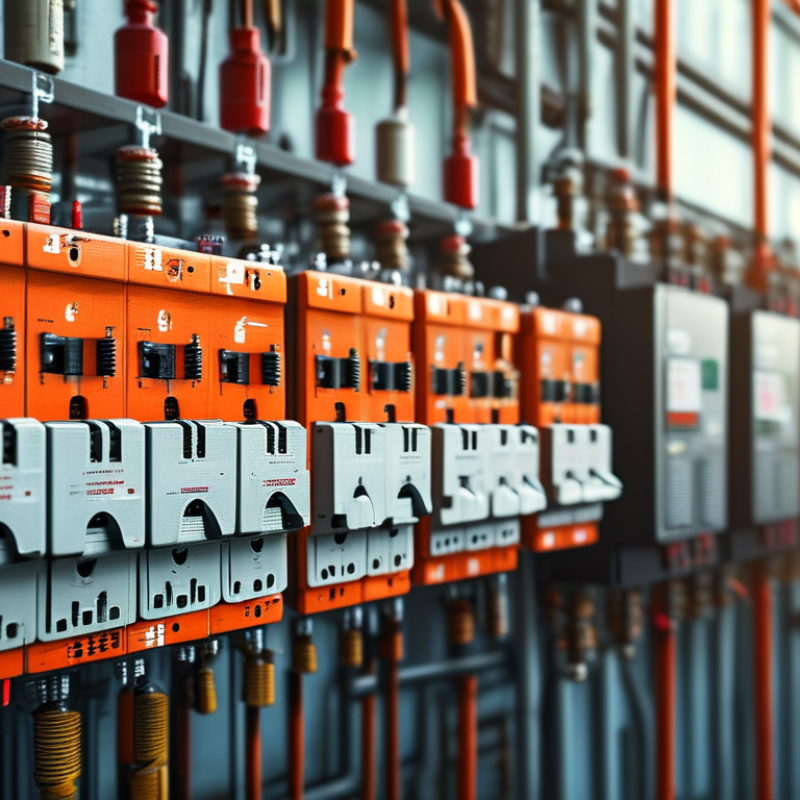
Understanding the Basics of Circuit Breakers and Their Functions
Choosing the right circuit breaker requires understanding its functions. Circuit breakers protect your electrical system from overloads and short circuits. These devices automatically interrupt the current flow when they detect unsafe conditions. According to the National Fire Protection Association, electrical failures are a leading cause of home fires. Selecting the correct type is essential for safety.
When evaluating circuit breakers, consider their ratings. The amperage rating indicates how much current a breaker can handle. Typically, residential breakers range from 15 to 200 amps. A report by the Electrical Safety Foundation International highlights that improper ratings can lead to equipment failure and increased fire risk.
Tips: Always check the compatibility of circuit breakers with your electrical panel. If unsure about installation, consult a licensed electrician. Regular inspections of circuit breakers are crucial. Ensure the trip mechanisms function properly. Small issues can become significant problems over time. Remember, even minor electrical issues can escalate dangerously. Stay informed and proactive about your electrical safety.
Understanding Circuit Breaker Ratings
This chart illustrates the popularity of various circuit breaker ratings based on user preferences. Ratings such as 15A and 20A are more commonly used, reflecting typical residential and small commercial applications.
Identifying Your Electrical Needs for Circuit Breaker Selection
When selecting a circuit breaker, identifying your electrical needs is crucial. Start by assessing the total wattage of all devices you plan to use. According to the U.S. Department of Energy, common household equipment can range from 60 watts for lighting to 3,500 watts for electric water heaters. This variation directly impacts the required amperage of your circuit breaker.
Next, consider the specific applications in your home or business. For example, an industrial workspace might need a heavy-duty breaker rated for 100 amps or more. Data from the National Electrical Code states that most residential circuits operate at 15 to 20 amps. However, an inefficiency in the system pushes some users to choose breakers with higher ratings than necessary. This can lead to safety concerns and increased costs.
Consult a licensed electrician to evaluate your electrical load and requirements accurately. Their expertise ensures you select the appropriate breaker. Yet, even professionals may overlook certain specifics. The compatibility of breakers with existing panels is often underappreciated. Moreover, understanding the difference between standard and GFCI breakers is essential in areas prone to moisture. This complexity highlights the need for a thorough examination of your unique electrical demands.
Evaluating Different Types of Circuit Breakers Available
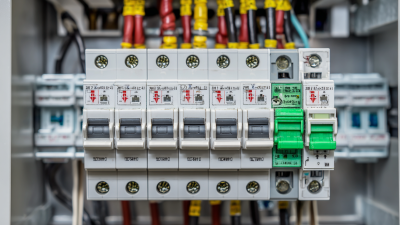
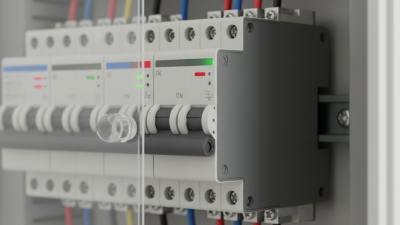
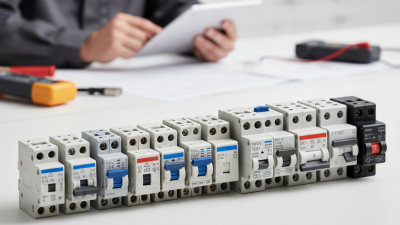
When evaluating different types of circuit breakers, it’s essential to understand your specific needs. Circuit breakers come in various styles, each designed for unique applications. Common types include miniature circuit breakers (MCB), residual current devices (RCD), and air circuit breakers (ACB). Each type serves a distinct purpose, protecting circuits from overloads or short circuits.
Miniature circuit breakers are ideal for residential use. They are compact and efficient, suitable for protecting small appliances and lighting. On the other hand, RCDs focus on preventing electric shocks by cutting off the power when detecting leakage currents. This safety feature is crucial, particularly in wet areas like bathrooms or kitchens. Air circuit breakers, however, are used in large commercial or industrial settings. They can handle high currents and provide better protection for extensive electrical systems but require more space and careful installation.
While making your choice, consider the specific environment and load requirements. It’s important to reflect on the potential risks associated with your electrical setup. Often, advice from professionals can help in making the right decision. However, personal research and understanding are equally vital. The right circuit breaker can enhance safety, yet choosing incorrectly may lead to serious consequences.
Key Features to Look for in a Circuit Breaker
When selecting a circuit breaker, consider its key features carefully. A primary aspect is the amp rating. This should match your home or facility’s electrical load. According to the National Electrical Manufacturers Association (NEMA), proper matching helps prevent overheating. Overrated breakers can lead to tripped circuits, while underrated ones risk failure.
Another critical feature is the breaking capacity. This indicates the breaker’s ability to interrupt fault currents. A report by the Institute of Electrical and Electronics Engineers (IEEE) states that two-thirds of electrical fires could be linked to inadequate breaking capacity. Check the short circuit current rating to ensure safety in extreme situations.
Additionally, consider the trip mechanism. Thermal and magnetic mechanisms serve different needs. Thermal breakers respond to prolonged overload; magnetic breakers react swiftly to short circuits. Knowing the difference is vital. Ensuring the breaker type suits your application prevents system failures and enhances reliability. The installation environment should also dictate choices, as moisture or dust levels can impact performance. Balancing these features is essential for optimal use.
How to Choose the Best Circuit Breaker for Your Needs? - Key Features to Look for in a Circuit Breaker
| Feature |
Description |
Importance |
| Current Rating |
The maximum current the breaker can handle without tripping. |
Essential for matching the breaker to the load requirements. |
| Voltage Rating |
The maximum voltage the breaker can protect. |
Critical for ensuring safety and compatibility with voltage levels. |
| Trip Type |
Thermal, magnetic, or electronic trip mechanisms. |
Affects how quickly the circuit breaker responds to faults. |
| Number of Poles |
Single, double, or three-phase circuits. |
Determines the breaker’s capability to protect multi-phase circuits. |
| Interrupting Capacity |
Maximum fault current the breaker can interrupt safely. |
Essential for preventing damage and ensuring safety during faults. |
| Physical Size |
Dimensions and form factor for installation. |
Important for fitting into existing panels or enclosures. |
| Additional Features |
Smart features, LED indicators, or remote capabilities. |
Can enhance usability and monitoring capabilities. |
Safety Standards and Regulations to Consider When Choosing a Breaker
When selecting a circuit breaker, safety standards are paramount. An estimated 45% of electrical fires result from faulty breakers, highlighting the importance of compliance with safety regulations. The National Electrical Code (NEC) provides essential guidelines for breaker selection, ensuring adequate protection against overloads and short circuits.
Understanding local regulations is crucial. Different regions may have specific amendments to the NEC. The International Electrotechnical Commission (IEC) standards can also apply, particularly in international settings. Adherence to these standards promotes safety and minimizes risks. Non-compliant breakers may not effectively prevent hazards, posing a threat to both property and life.
Consideration of the environment is necessary. Breakers should suit their intended location—whether in residential, commercial, or industrial settings. Temperature, humidity, and potential exposure to corrosive substances can affect performance. Regular inspections and replacements are necessary, as circuit breakers can degrade over time. In fact, studies suggest that around 30% of aging breakers fail to trip correctly. Ensuring regular maintenance helps avoid unexpected failures that could lead to severe consequences.