China Top 10 Home Decoration Trends for Global Buyers?
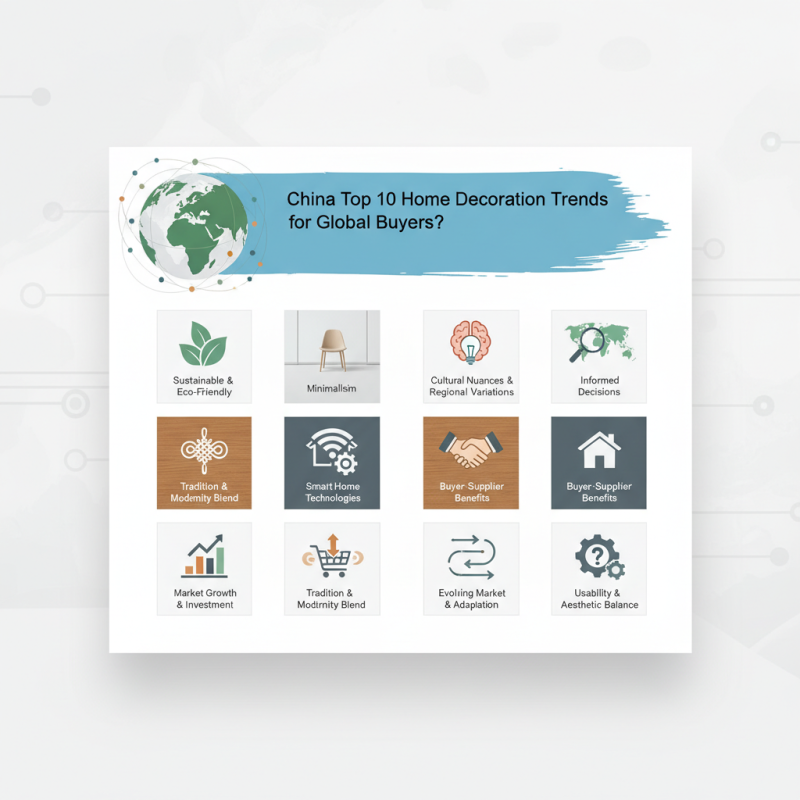
Home Decoration is a vital aspect of creating comfortable living spaces. The global market for home decoration reached approximately $600 billion in 2021 and is projected to grow steadily. Trends evolve rapidly, influenced by cultural shifts and consumer preferences. In China, a unique blend of tradition and modernity shapes home decoration trends. The increasing interest in sustainable and eco-friendly materials reflects a significant shift. Reports show that 45% of consumers prioritize sustainability in their purchasing decisions.
Chinese buyers are also drawn to minimalism, which fosters tranquility in homes. This trend contrasts with the previous focus on opulence. The rise of smart home technologies presents opportunities for innovative decoration solutions. Companies are challenged to integrate these technologies seamlessly into design. It raises questions about usability and aesthetic appeal. Consumers often find it challenging to balance technology with personal style.
Understanding these trends is essential for global buyers. Knowledge of market preferences can enhance their investment strategies. Yet, navigating this diverse landscape requires continuous research and adaptation. Buyers must consider cultural nuances and regional variations. This constantly evolving market presents both opportunities and pitfalls. Awareness of these factors can lead to more informed decisions in home decoration, benefiting both buyers and suppliers alike.
Emerging Color Palettes Influencing Home Décor Choices in China
China's home décor market is vibrant, driven by innovative color palettes. Buyers from around the world are increasingly drawn to emerging trends that reflect cultural nuances and aesthetic preferences. One notable trend is the use of earthy tones, which create a calming atmosphere. Shades of terracotta and muted greens evoke a sense of nature indoors, making them popular choices.
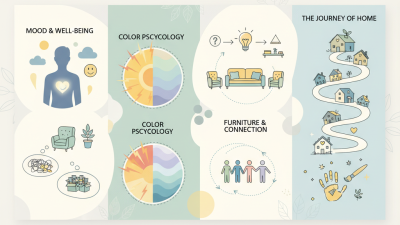
In contrast, bold and vibrant colors are also gaining traction. Deep blues and rich yellows add a modern touch to living spaces. These colors can energize a room, adding character and personality. Considering how different colors affect mood can lead to better choices in décor items.
Tip: Experiment with color swatches in your space. Paint small sections of walls to visualize how they interact with furniture and lighting.
Balancing these colors is crucial. Using too many bold shades can overwhelm a space. Instead, allow one or two vibrant colors to pop against softer hues. This creates harmony while still giving your home a unique flair.
Tip: Use accessories to introduce new colors without committing to large-scale changes. Pillows, throws, or artwork are perfect for adding splashes of color. They are easy to change as trends evolve.
Innovative Materials and Textures Shaping Modern Interior Designs
In the realm of home decoration, innovative materials and textures play a crucial role in shaping modern interior designs. Recent reports from industry experts indicate that the demand for sustainable materials continues to rise. Approximately 70% of consumers now prioritize eco-friendly options. This trend is not only beneficial for the environment but also adds unique character to homes.
Textures are gaining popularity as a key design element. Velvet, reclaimed wood, and exposed brick are just a few examples that evoke warmth and charm. According to a study by Design Week, 45% of designers recommend mixing textures to create visual interest. Layering different materials can elevate a space and reflect the owner's personality.
Tips for achieving this: Experiment with combinations like soft fabrics paired with rustic wood. Consider incorporating natural elements like stone or plants for added depth. Reflect on what makes you comfortable and select materials that resonate with your lifestyle. Remember, decoration is not just about aesthetics; it’s also about creating an inviting atmosphere. Embrace imperfections in textures to evoke a sense of authenticity in your home decor.
China Top 10 Home Decoration Trends for Global Buyers
| Trend |
Description |
Material Used |
Texture |
Target Audience |
| Sustainable Design |
Focus on eco-friendly materials and practices. |
Recycled wood, bamboo |
Natural, Warm |
Environmentally conscious consumers |
| Minimalist Aesthetics |
Clean lines and clutter-free spaces. |
Metal, Glass |
Sleek, Smooth |
Young professionals |
| Bold Colors |
Vibrant shades for accent walls and decor. |
Paint, Fabric |
Textured, Rich |
Art enthusiasts |
| Smart Home Integration |
Incorporating technology into design. |
Smart devices, Sensors |
Modern, Functional |
Tech-savvy homeowners |
| Vintage Revival |
Incorporation of retro designs and antiques. |
Wood, Fabric |
Warm, Nostalgic |
Collectors and traditionalists |
| Geometric Patterns |
Use of shapes in various design elements. |
Tiles, Wallpaper |
Bold, Structured |
Modern decorators |
| Biophilic Design |
Bringing nature indoors for well-being. |
Plants, Natural stones |
Organic, Fresh |
Health-conscious residents |
| Layered Textures |
Combining various materials for depth. |
Fabric, Wood, Metal |
Rich, Diverse |
Creative homeowners |
| Custom Furniture |
Tailored pieces for specific needs. |
Various woods, Fabrics |
Unique, Personalized |
Homeowners seeking uniqueness |
Sustainable and Eco-Friendly Trends in Chinese Home Decoration
Sustainability is becoming a key focus in Chinese home decoration. Eco-friendly materials are now in high demand. Consumers prefer bamboo, recycled wood, and natural fibers for their homes. These materials not only reduce environmental impact but also create a healthier living space.
Tips: Choose furniture made from reclaimed wood. It adds unique character and helps save forests. Avoid synthetic finishes and opt for non-toxic paints instead. This change can enhance indoor air quality.
Another trend is the minimalistic approach. It emphasizes simplicity and functionality. A clutter-free environment leads to a more peaceful mindset. However, it can sometimes feel stark or cold. Balancing minimalism with personal touches is essential. Adding plants can soften the space and improve air quality.
Tips: Incorporating greenery is a great idea. Use low-maintenance plants like succulents. They thrive in various conditions and need little care. Aim for a blend of form and function to create warmth.
The Role of Technology in Contemporary Chinese Home Design
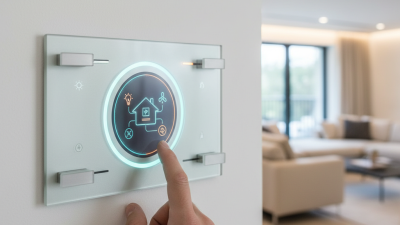
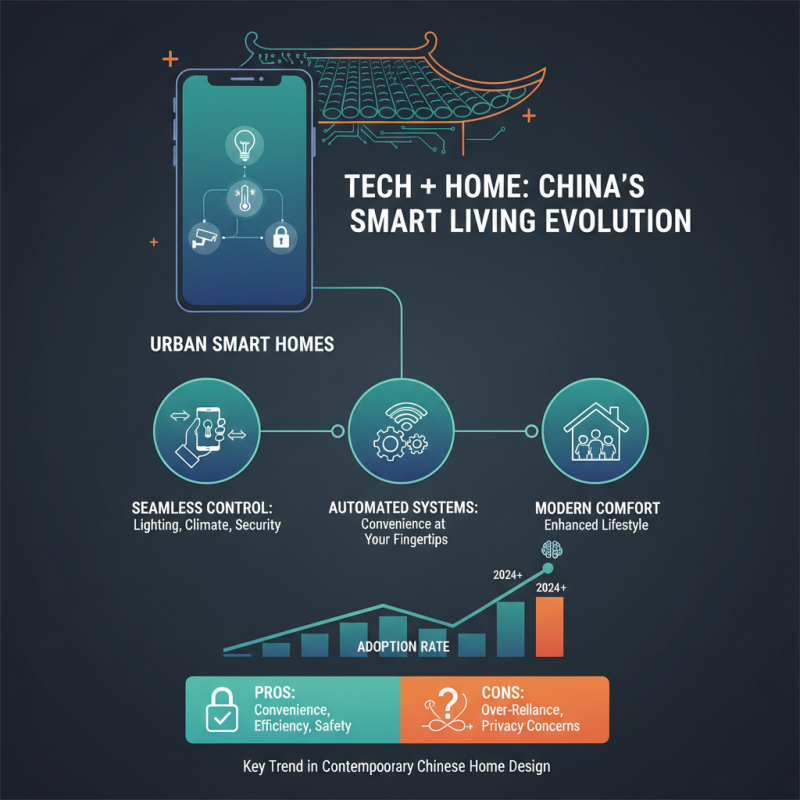
Technology plays a crucial role in contemporary Chinese home design. Smart homes have become a trend in urban environments. Automated systems for lighting, heating, and security are popular. Homeowners can control everything from a smartphone. This integration of tech makes life more convenient but also raises questions about over-dependence.
Virtual reality (VR) and augmented reality (AR) are transforming how people envision their spaces. With VR, potential buyers can tour homes from anywhere in the world. AR can help visualize changes in decor, like paint colors or new furniture. However, not everyone is comfortable using these technologies. Some people still prefer traditional methods of home design.
Sustainable technology in home building is also significant. Eco-friendly materials and energy-efficient appliances are on the rise. These choices reflect a growing environmental consciousness among homeowners. Yet, many are unsure about the long-term impact of such materials. Is the push for sustainability sometimes just a trend? Balancing modern technology with personal taste continues to be a challenge in home decoration.
Cultural Aesthetics and Their Impact on Global Home Decoration Styles
The cultural aesthetics of China have a profound influence on global home decoration trends. Rich in history and diverse in traditions, Chinese design incorporates elements that speak to harmony and balance. Concepts like Feng Shui guide room layouts, helping to create flow and promote well-being. This philosophical approach appeals to many who seek comfort in their living spaces.
In recent years, global buyers have embraced these principles. Minimalist elements combined with vibrant colors reflect the beauty of Chinese art. However, some designs can feel overwhelming or mismatched when applied outside their cultural context. For example, traditional Chinese patterns may clash with modern styles in Western homes. It’s essential to find a balance that respects the heritage while adapting it for contemporary tastes.
As more cultures influence each other, the challenge lies in blending these aesthetics authentically. There is beauty in imperfections, such as slight asymmetries in ceramic pieces or the patina of aged wood. These details tell stories, making homes feel lived-in and relatable. Appreciating these nuances can deepen cultural exchanges in the world of home decoration.
Individual expression remains key, encouraging global buyers to explore and reflect on their unique identities through their spaces.