How to Choose the Best Bathtub Faucet for Your Bathroom?
Choosing the right Bathtub Faucet is crucial for both aesthetics and functionality in your bathroom. A well-selected faucet enhances the overall look of the space and ensures ease of use. When considering your options, it’s important to think about the style, finish, and features that resonate with your personal taste.
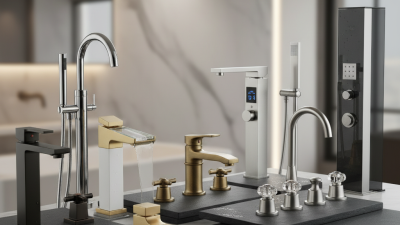
Understanding the variety of available styles can be overwhelming. From modern sleek designs to classic vintage looks, each option offers something unique. Also, the finish—such as chrome or matte black—can significantly change the ambiance. Keep in mind that the faucet should complement your bathtub and bathroom decor while providing functionality.
It's natural to feel unsure about what to choose. You may find that the latest trends don’t suit your preferences, or that a certain feature isn’t as practical as it seems. Reflecting on your lifestyle and usage patterns can guide you. A thoughtful approach will lead to a Bathtub Faucet that not only fits your aesthetic but also stands the test of time.
Understanding Different Types of Bathtub Faucets Available
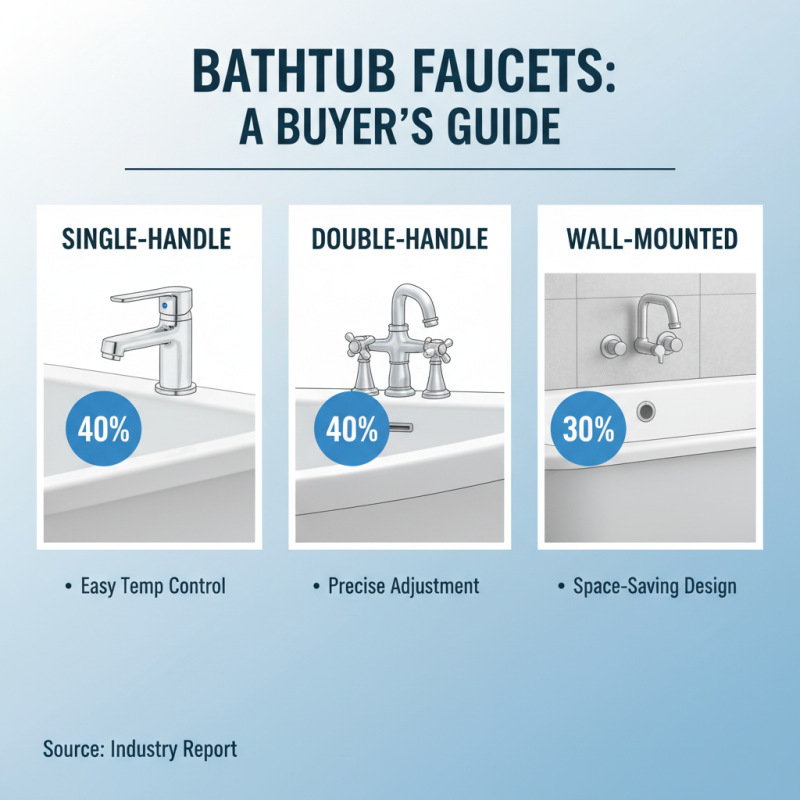
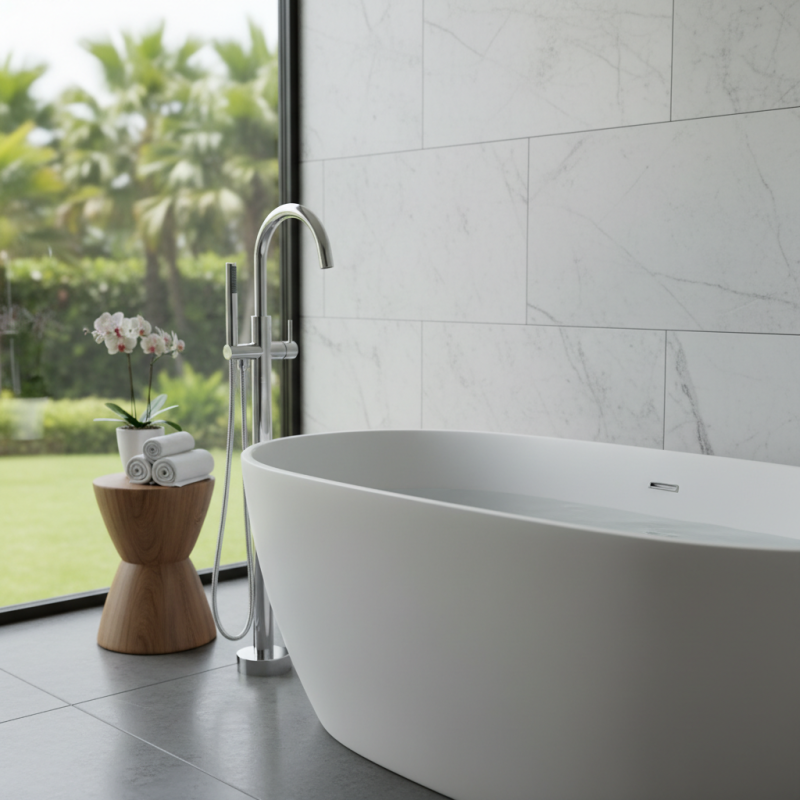
When selecting a bathtub faucet, understanding the various types is crucial. There are three main categories: single-handle, double-handle, and wall-mounted faucets. According to a recent industry report, nearly 40% of homeowners prefer single-handle designs for their simplicity and ease of use. This type allows for quick adjustments to water temperature with one hand.
Double-handle faucets provide a more traditional aesthetic. They offer greater control over water temperature and flow. However, they require both hands for adjustments, which can be inconvenient. Research shows that 30% of consumers appreciate the classic look of double-handle options. Wall-mounted faucets save space and add a contemporary flair. They often suit modern bathrooms but can complicate plumbing.
Choosing the right faucet for your needs is not just about style. Consider functionality and your bathroom layout. Poor installation can lead to leaks and maintenance issues. Many homeowners find they need to adapt their plumbing to fit new fixtures. Reflecting on these choices is vital to a satisfactory bathroom upgrade.
Key Features to Consider When Selecting a Bathtub Faucet
Choosing the right bathtub faucet is essential for both
style and
functionality. One key feature is the material.
High-quality materials like brass and stainless steel are durable.
They resist corrosion and maintain their appearance. Look for finishes that match your bathroom décor.
Chrome and
brushed nickel are popular options.
Water flow rate is another important consideration.
A faucet with a higher flow rate can fill your tub quickly. However, excessive flow can waste water.
Aim for a balanced choice that suits your needs. Don't overlook the handle design.
Ergonomic handles are easier to grip and operate, especially when hands are wet.
You might want to reflect on your
installation preferences too. Some faucets require
professional installation, while others are simpler for DIY projects. It’s also wise to consider
compatibility with your existing plumbing.
Minor mismatches can become major headaches down the line.
Take your time in evaluating these features. A thoughtful selection process can lead to
long-term satisfaction.
Factors Influencing the Style and Finish of Bathtub Faucets
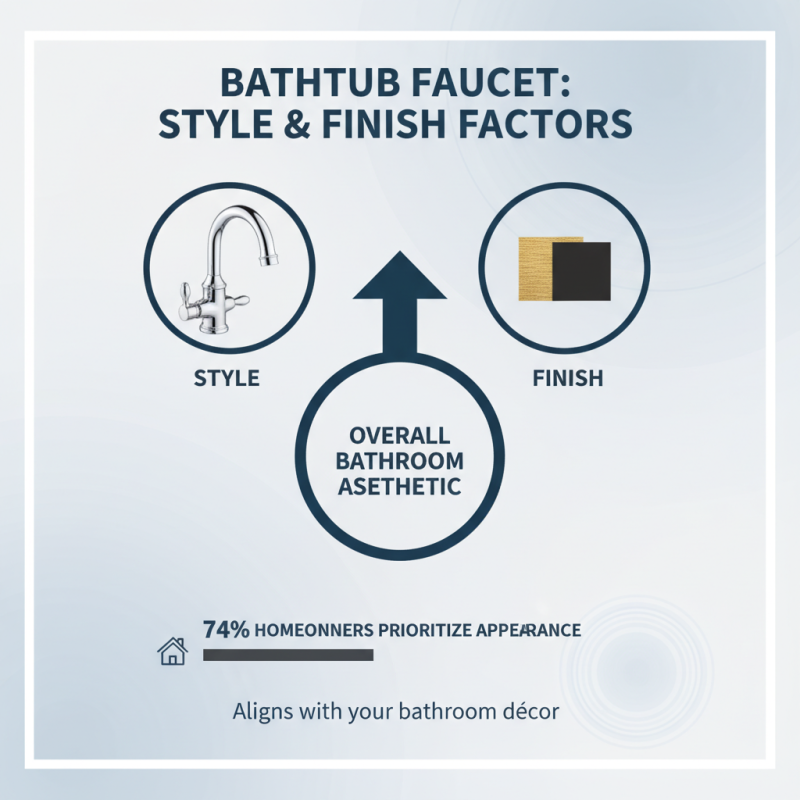
When selecting a bathtub faucet, consider the style and finish carefully. These elements significantly impact the overall aesthetic of your bathroom. Concerns over style often stem from personal taste, but data shows that 74% of homeowners prioritize appearance when choosing fixtures. This statistic underscores the importance of aligning the faucet with your bathroom décor.
The finish can also influence maintenance and durability. Chrome and nickel have gained popularity for their resistance to tarnishing. According to industry reports, 65% of homeowners prefer these finishes due to their longevity. On the other hand, matte black and oil-rubbed bronze can show water spots more easily, which might require more frequent cleaning. With 30% of users reporting dissatisfaction with their faucet finish, understanding how to care for different materials is crucial.
While it’s easy to get swayed by trends, reflect on your bathroom’s existing features. Take note of the tile, cabinetry, and color scheme. Misalignment can create a disjointed look, and 47% of homeowners have expressed regret over poor fixture choices that don't match their decor. Balancing trends with personal style and practicality will lead to a more fulfilling selection process.
How to Ensure Compatibility with Your Existing Plumbing System
When choosing a bathtub faucet, compatibility with your existing plumbing is crucial. First, measure the distance between the hot and cold water supply lines. Most faucets require a standard distance. If your plumbing setup differs, you could face installation challenges. Be aware that if the faucet doesn't match, costly adjustments may be needed.
Tips: Always check the faucet's specifications regarding pipe size and type. Verify if your current setup uses compression fittings or soldered connections.
Additionally, consider the water pressure in your home. Some faucets may require higher pressure to function optimally. You can test your water pressure using a gauge available at hardware stores. Keep in mind that a mismatch can lead to less-than-ideal performance.
Tips: If dealing with low water pressure, look for faucets designed for it. They can help maintain a good flow, even with existing limitations. Don't forget to inspect for leaks before finalizing your choice—it can save you future headaches.
Budgeting for Your Bathtub Faucet and Installation Costs
When budgeting for your bathtub faucet and installation costs, it's essential to consider several factors. A good quality faucet can range from $100 to $500, depending on materials and features. Installation costs typically add another $150 to $300, depending on complexity. Many homeowners underestimate these expenses, which can lead to budget overruns.
According to the National Kitchen & Bath Association, approximately 40% of homeowners report spending more than they initially planned. This often stems from additional costs like plumbing modifications and unforeseen issues. It's wise to set aside an extra 20% in your budget for these surprises.
Choosing the right faucet is not just about aesthetics. Some faucets, especially models requiring extensive plumbing alterations, can escalate costs significantly. It's challenging to balance style and functionality while staying within budget constraints. Consider doing thorough research on materials, as brass and stainless steel can offer longevity, reducing future replacement costs. Always consult with experienced professionals to get accurate estimates and avoid costly mistakes.